The campaign ad begins with a clear, idyllic stream that suddenly turns sludge-brown as two concrete datacenters slam onto its banks. Another facility thuds down on a peaceful suburban park, and two more crush-green pastures as an ominous soundtrack to a disaster movie blares overtop. Our farmland,” a deep-voiced narrator says.
At debates and at rallies, in mailers and online ads, the burgeoning AI industry has taken center stage, as both Republican and Democratic candidates try to convince voters that their opponents will put the unpopular facilities in voters’ backyards. And it’s not only datacenters – the public anxiety over AI and distaste for the billionaires developing it, as well as backlash over encroaching tech like surveillance cameras, has turned the tech industry into a ubiquitous villain this election cycle. As with big pharma before it, candidates are straining to distance themselves from big tech.
The stigma of the tech industry has even forced prominent Republicans to break with Donald Trump’s pro-AI party line, with candidates like Ken Paxton, campaigning for US Senate in Texas, calling for a slowdown. In Tennessee, Taylor’s campaign ran its own television spot that claimed he was tough on tech and datacenters. The campaign ads focused on tech have sprung up alongside an ecosystem of pro- and anti-AI political action committees, which have collectively spent hundreds of millions of dollars to influence elections and back candidates.
The breathtaking amount of spending has pushed tech into the forefront of the midterms, even as polls show issues like the economy, democracy and healthcare still rate as more important among voters. Super Pacs funded by tech billionaires are among the top spenders in this election cycle. Leading the Future, formed by OpenAI president Greg Brockman and venture capitalist Marc Andreessen, has raised more than $75m to back tech-friendly candidates.
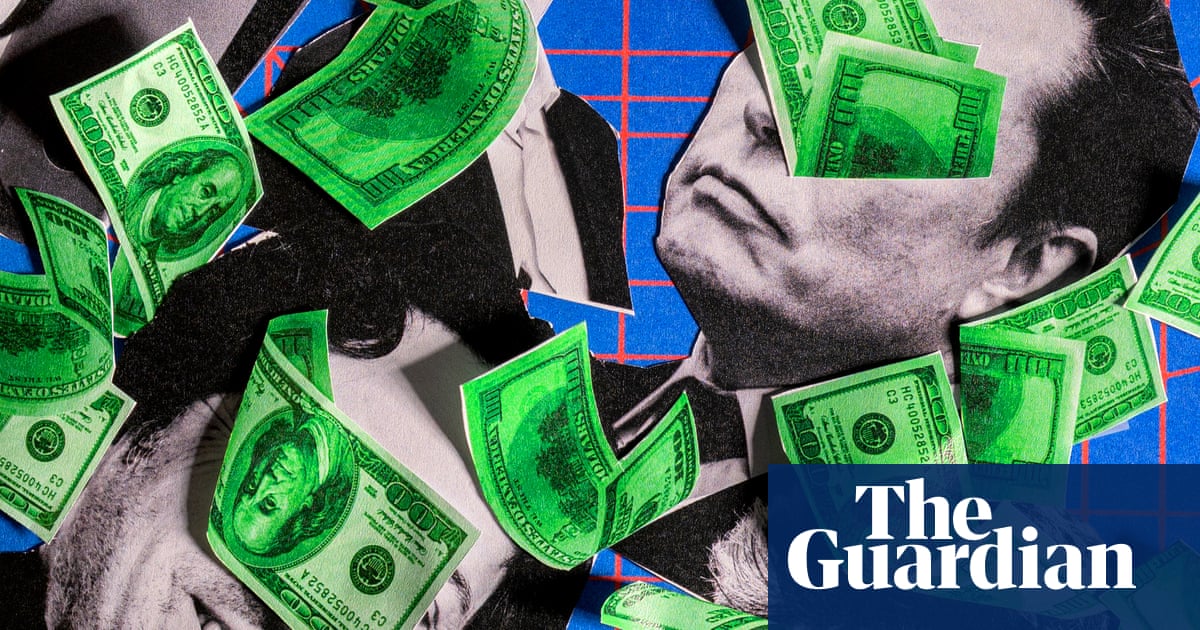
Elon Musk has sunk $366m into Republican causes, more than he spent on the 2024 presidential election. AI money has also been funneled into pro-regulation Pacs seeking to counteract the influence of deregulation groups. Including Musk’s contribution to various Republican-aligned Pacs, the tech industry and its leaders have spent more than half a billion dollars to influence elections and ballot proposals in 2026.
The cumulative effect of such vast spending, lobbying and advertising is that tech issues and the tech industry have become far more pervasive in the midterms than previously seen in US elections, marking the first major test of how American voters will react to the AI boom. Concern over AI’s potential effect on society has grown over the last year, and the backlash has been most intense where there is a physical target for voters’ ire. None of those targets have loomed larger than the sprawling datacenter facilities that are part of the tech industry’s multitrillion-dollar infrastructure build-out.
Extract — continue reading at the source.