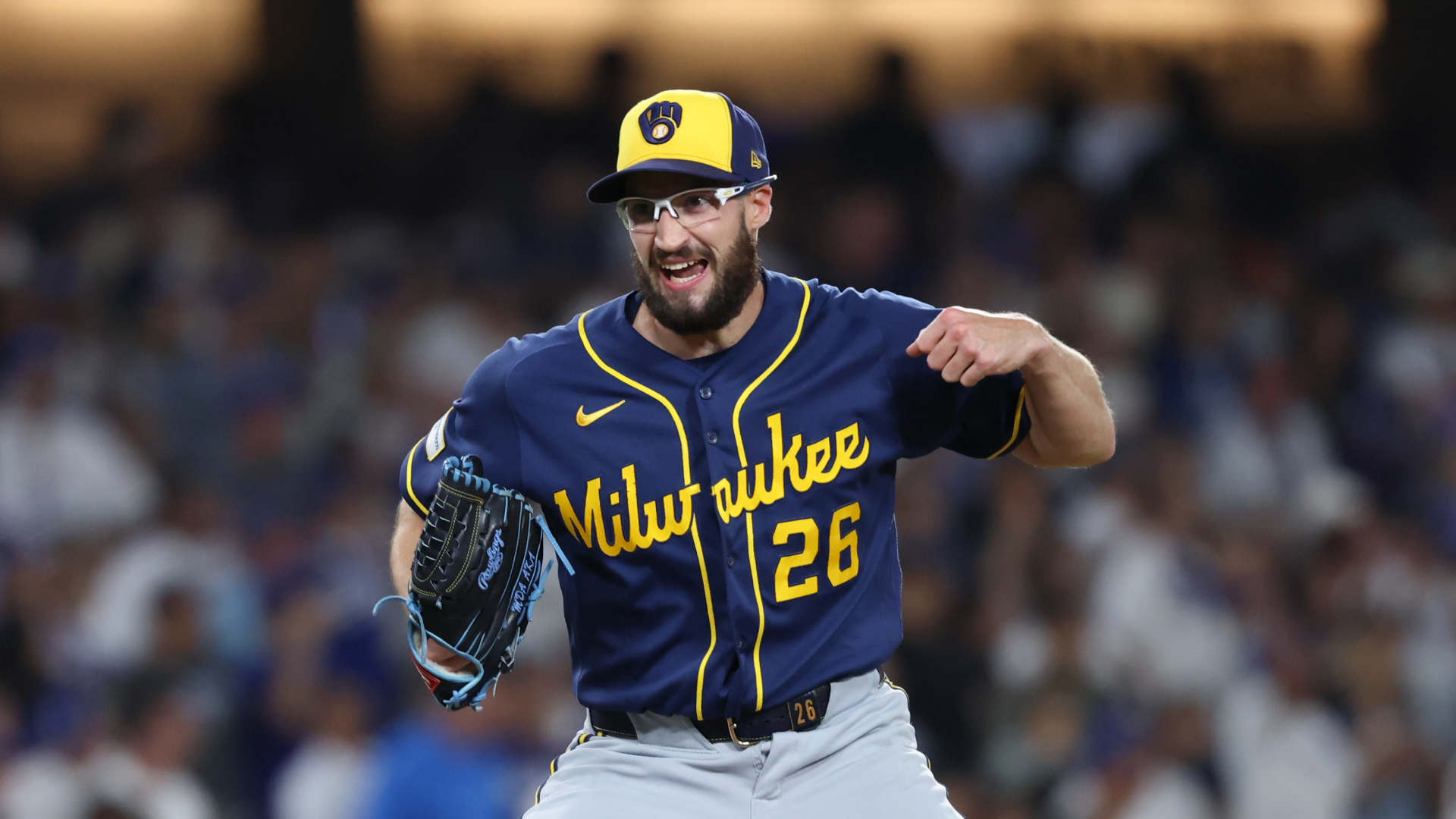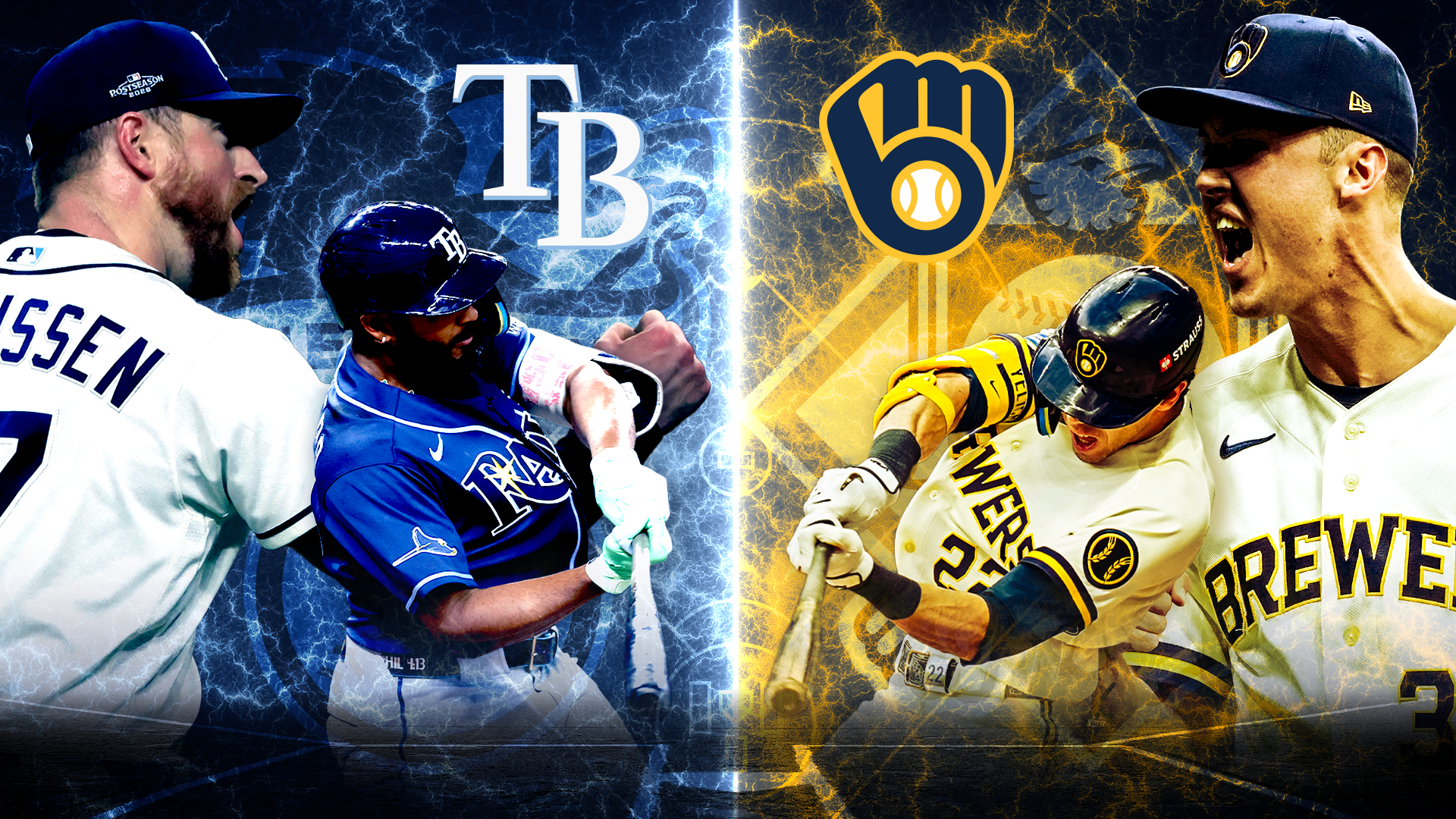
The 2026 World Series matchup between the Milwaukee Brewers and Tampa Bay Rays is rich with subplots. Neither team has won a World Series, so we're in for a first when it comes time to hoist the trophy. That hasn't happened since the Philadelphia Phillies and Kansas City Royals met in the 1980 World Series.
There's also the backdrop of the ongoing negotiations on a new collective bargaining agreement. MLB, its constituent team owners, and commissioner Rob Manfred -- who takes his marching orders from those owners -- are pushing for a cap on payrolls. Indeed, everything the management side has proposed in those negotiations has been tied to the players' acceptance of a cap, and everything has been rejected by the players' union as long as it is tied to said cap.
From a rhetorical standpoint, this World Series matchup is quite inconvenient for Manfred and the owners. These are two of the smallest markets in MLB with two bottom-tier payrolls. The Rays especially don't invest much in the on-field product.
Consider: Add those payroll rankings together, and it's the lowest on record for any World Series. It's the smallest combined market size for a World Series since the St. Louis Cardinals and Kansas City Royals met in 1985.
These realities are even more striking once you consider that, in 2026, the Brewers swept the dynastic Los Angeles Dodgers in the NLCS, while the Rays vanquished the historically preeminent New York Yankees in the AL East race and then again in the ALDS. How do you argue that super-spenders like the Dodgers and Yankees, or even disappointments like the Mets and Blue Jays, are breaking baseball when this is your World Series? MLB will, of course, argue it anyway, but the narrative packs less of a punch this October.
To be sure, there's a definite element of ownership neglect with those payroll figures. Both teams are revenue-sharing recipients on balance, and such clubs that run low payrolls make enough via revenue sharing to cover most or, in some cases, all of their cash payroll. Circumstance plays an obvious role, yes, but so does the will to compete and win on the part of owners.
Extract — continue reading at the source.