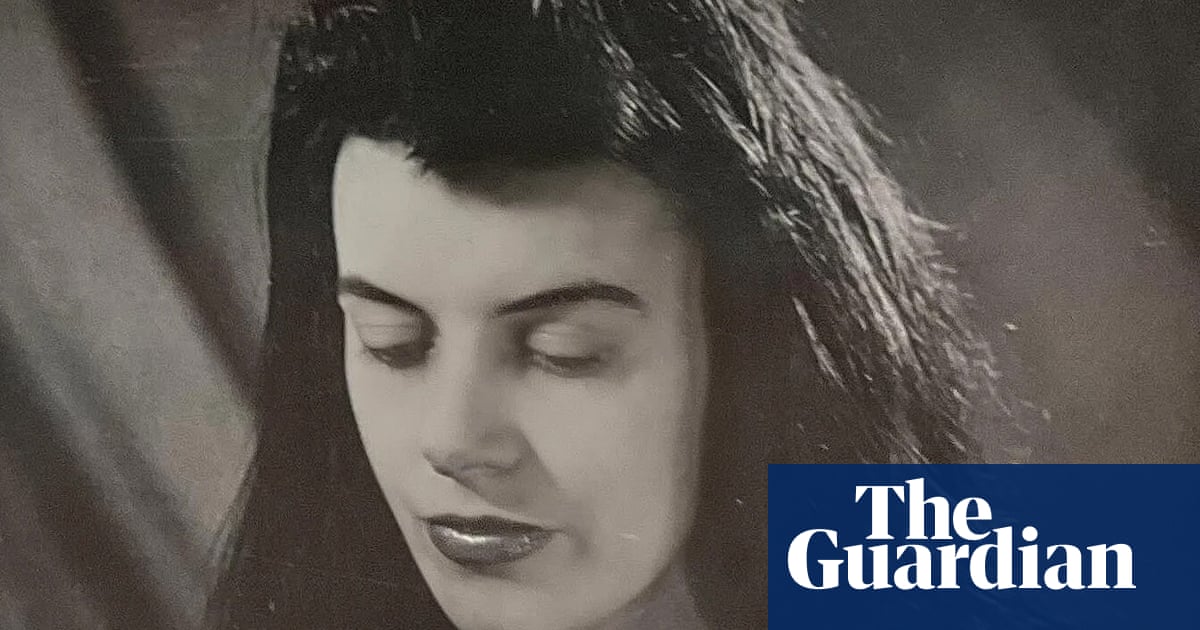
For almost eight decades the artists’ model Louise Cansot, the subject of the novel winning France’s most prestigious literary prize this year, was one of Paris’s forgotten murder victims. After her body was found near the Seine in September 1949, city police wrote off the young woman, immortalised as “the girl of 100 portraits”, as loose, libertine and – worse – an unmarried mother. They closed their investigation after just four months having made little effort to find her killer.
But long before the author Philippe Jaenada began researching his, Prix Goncourt-winning novel, L’Inconnue du Quai de Javel (The Unknown Woman of the Quai de Javel), another writer from the Breton village where Cansot was born had already spent decades researching her story. Luc Corlouër might have felt aggrieved but in a rare show of literary solidarity, the two writers decided they would both publish books. As part of what he calls “the deal”, Corlouër handed Jaenada his notes.
And after all, the star was him, not me,” Corlouër told the Guardian. He is a great novelist.” Cansot, nicknamed Lise, was born in Tréguier, on the Côtes-d’Armor in north-west France, the daughter of a shoe repairer. In 1937, aged 16, she left her family and moved to Paris where her beauty attracted the attention of the celebrated Montparnasse artists, who jostled to have her pose for them.
When war broke out and most of the artists fled south, Cansot remained in Paris working as a film extra, waiter and dancer at the Folies Bergère. She had a five-year-old daughter, Nathalie, whom she left with a nanny in the suburbs until she could raise the money for an apartment, but with the painters gone and no steady income, her situation became increasingly desperate. On 7 September 1949, her body was found on the Quai du Javel, now known as the Quai André-Citroën, in the 15th arrondissement, south-west of the Eiffel Tower.
Detectives initially identified four possible murderers but rapidly filed the case as unsolved. Jaenada, the author of 17 novels, discovered the story while looking through old newspapers in the French National Library. By then, Corlouër had already amassed maps, images, photos, paintings, documents, letters and newspaper cuttings on Cansot.
His book, La Tragédie du plus beau modèle de Paris (The Tragedy of the Most Beautiful Paris Model) was finally published on 19 August – the same date as Jaenada’s novel – and is based on the documentary information about the case and the victim. Corlouër says his interest in Cansot was piqued in 1981, when he met an elderly woman at the war memorial in Tréguier. When I said: ‘How terrible,’, she said even worse was that her older sister had been murdered in Paris.
Extract — continue reading at the source.