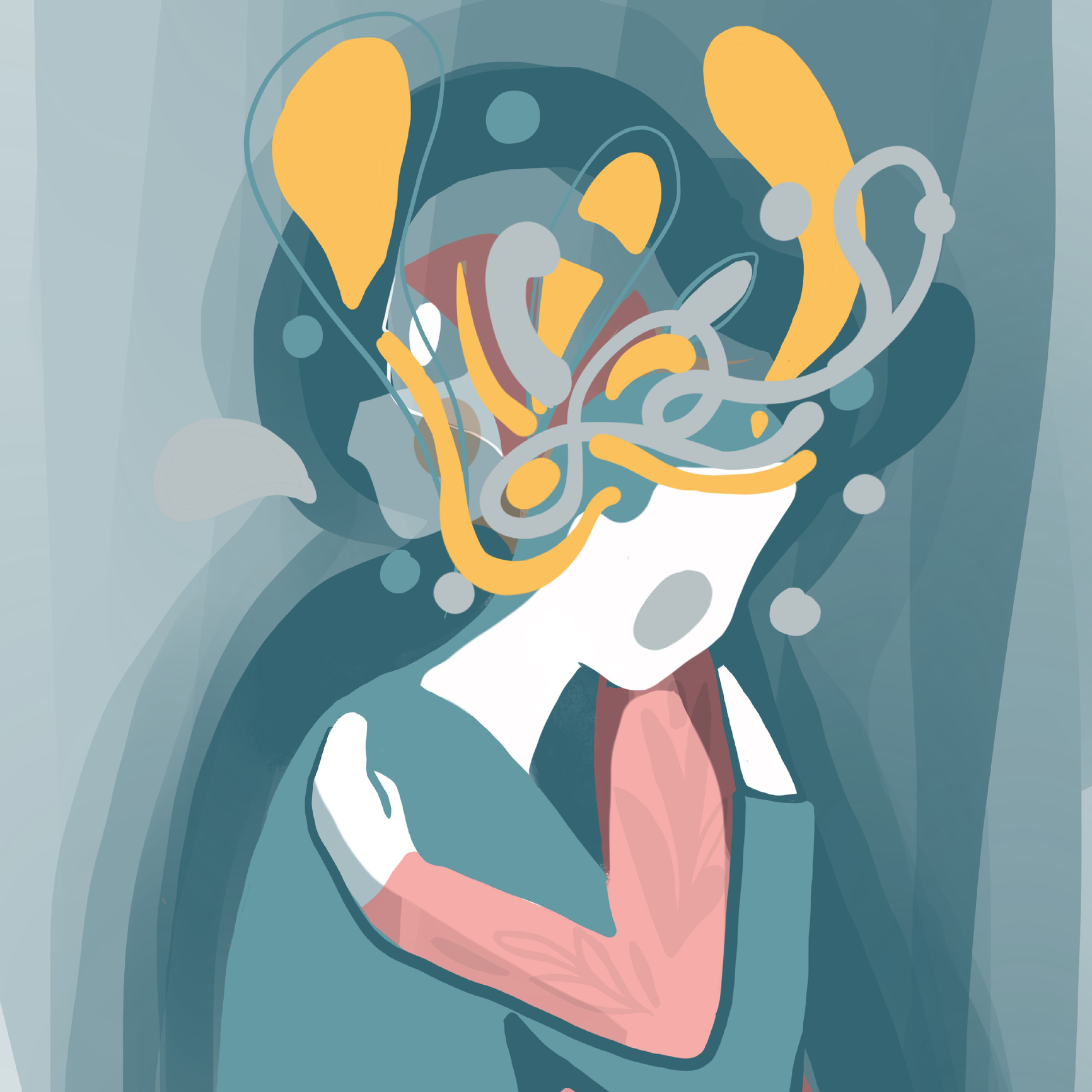
When Iza Thiago-Munoz brought her first baby home, she instituted a rule: She was the only person allowed to carry the baby upstairs. At the time, she lived in a narrow Philadelphia rowhouse with a steep staircase. If anyone else—including her husband—wanted to take the baby up, they had to buckle the infant into a car seat first.
Her husband occasionally tried to reason with her. He could hold the baby tightly, he pointed out. She didn’t know it at the time, but Thiago-Munoz was struggling with postpartum depression and anxiety, which amplified her lifelong tendency to imagine the worst-case scenario.
She also felt enormous pressure to be a perfect mother. Otherwise, she worried, “people would just think that I wasn’t good enough.” Asking for help felt like admitting that they were right. Thiago-Munoz is now a lactation consultant, postpartum doula, and founder of Clementina Health, a postpartum and lactation telehealth company.
Her work is informed by what she experienced after giving birth—and by what she wishes the people around her had understood. And I was happy, but I wasn’t joyful.” Supporting someone with postpartum depression starts with knowing how it can show up, even when it doesn’t match the image you have in your head. Both the “baby blues” and postpartum depression can cause sadness, tearfulness, irritability, and feeling overwhelmed after giving birth, says Dr.
Kelli Burroughs, an ob-gyn and vice chair of clinical affairs and patient experience at the University of Texas Medical School in Houston. But the baby blues are generally mild, begin within the first week after delivery, and improve within about two weeks. Postpartum depression lasts longer and interferes more significantly with daily life.
Signs can include a persistently depressed mood; losing interest in things that usually bring joy; withdrawing from other people; difficulty eating, concentrating, or sleeping even when the baby is asleep; extreme fatigue; and feeling disconnected from the baby. Postpartum depression can also begin months after giving birth—not only during those first blurry weeks at home. It doesn’t always look the way people expect, either.
Extract — continue reading at the source.