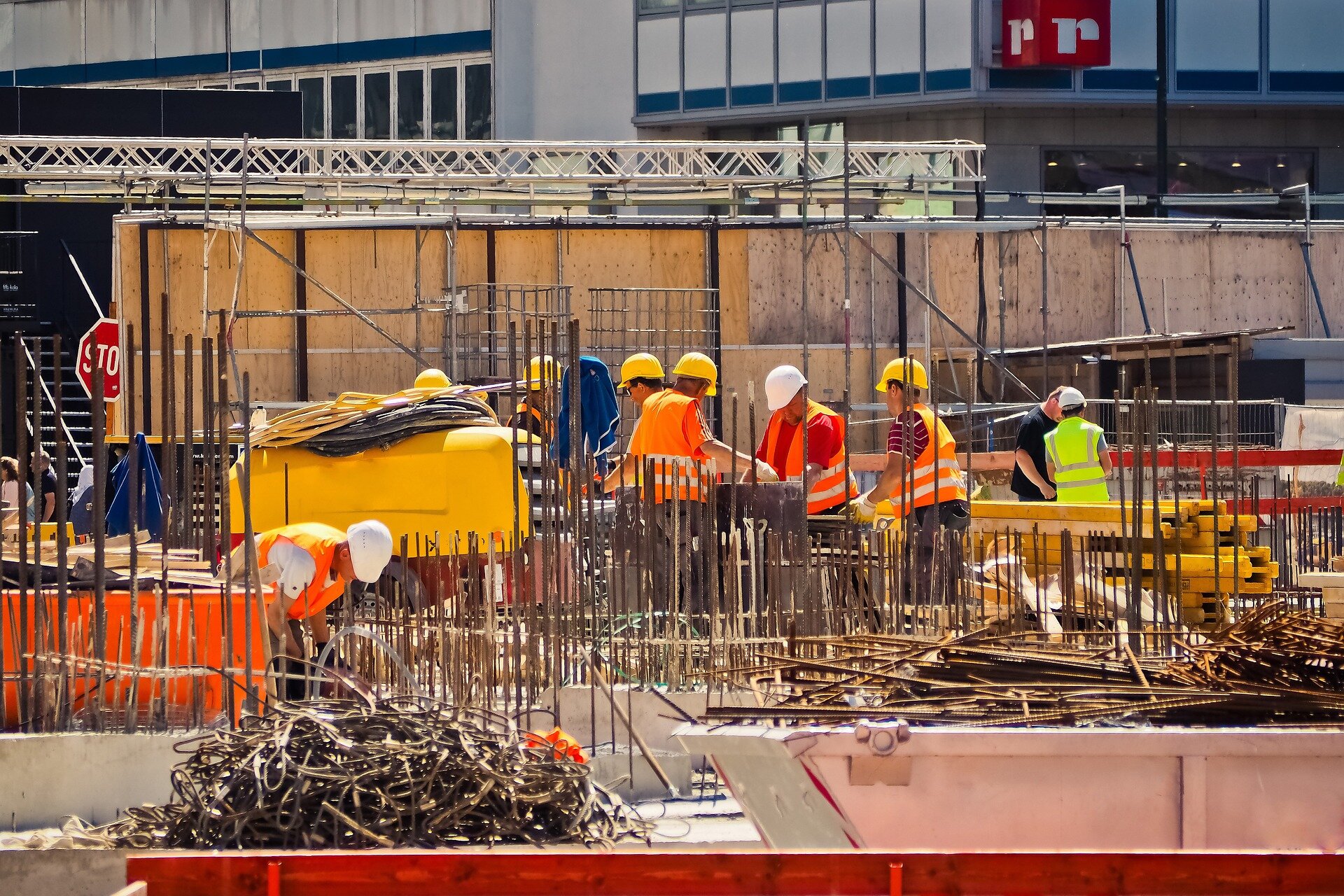
This article has been reviewed according to Science X's editorial process and policies. Editors have highlighted the following attributes while ensuring the content's credibility: It can happen in fields, restaurants, hotels and construction sites—a type of human trafficking often hiding in plain sight and receiving far less media coverage. Labor trafficking is a human rights violation in which individuals are forced to perform labor or services through force, fraud or coercion.
The National Human Trafficking Hotline identifies examples including domestic workers forced to work in homes, farmworkers coerced through violence as they harvest crops or factory workers held in inhumane conditions with little to no pay. Department of Transportation, 27.6 million people were victims of human trafficking in 2021, with 77% of them subjected to forced labor. Florida State University's Terry Coonan is the executive director of the FSU Center for the Advancement of Human Rights (CAHR), which focuses on human rights education, student field placements and pro bono legal advocacy for vulnerable populations.
According to Coonan, labor trafficking is often overlooked because it can be difficult to recognize, investigate and explain to the public. "Labor trafficking is vastly underrepresented in media coverage," Coonan said. "Forced labor is harder to see; it hides in plain sight in legitimate industries.
Forced labor is harder to investigate; it can require more law enforcement resources over extended periods of time. And forced labor may be harder to convey as a compelling victim story, in comparison to sex trafficking." CAHR has provided legal assistance to victims of labor trafficking exploited in Florida agriculture, hotels, golf resorts, restaurants and roofing industries, as well as in private homes. Coonan said forced labor can often occur in industries that rely on subcontracting, with companies hiring outside crews to perform work such as harvesting crops or providing cleaning services.
"What we've seen are subcontractors that can submit a low bid because they are exploiting forced labor in their work crews," Coonan said. "Often the corporation does not know—or chooses not to know—that their profits are the result of labor trafficking by their subcontractors." Although forced labor accounts for most human trafficking cases worldwide, a 2016 study in the Journal of Human Trafficking found it appeared in only about 11% of trafficking-related media coverage. "Here in Florida, we've also seen labor trafficking in cases that don't involve subcontractors.
These have included forced labor committed by traveling sales crews, by religious organizations and by private citizens who exploit women or children as house slaves." "We continue to see children exploited worldwide by corporations that rely on sweatshop labor, cocoa harvesting and cobalt mining. We've learned that far more is needed than voluntary codes of corporate conduct. What is really required is mandatory supply chain diligence and supply chain transparency by corporations.
Extract — continue reading at the source.