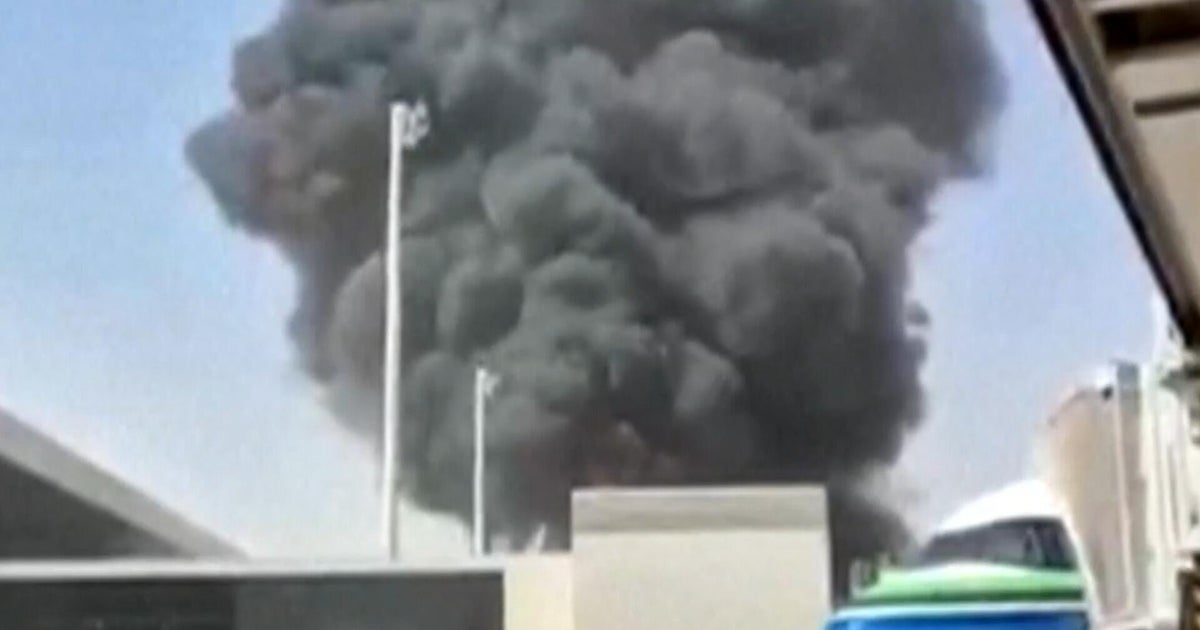
Hundreds of U.S. diplomats remain in limbo, months after they were evacuated from the Middle East, as the war with Iran drags on. Some of the U.S. diplomats who were evacuated earlier this year from Saudi Arabia, Kuwait and a half dozen other countries in the Middle East may soon start returning back to their posts. But the State Department is still limiting the number of staff in the region as the war with Iran drags on.
As NPR's Michele Kelemen reports, this could affect American travelers and businesses in the region. MICHELE KELEMEN, BYLINE: Former Ambassador to Tunisia Joey Hood spent much of his foreign service career in Middle East hotspots. He still travels around Gulf countries and says he's been hearing a lot of concerns about the skeletal embassy staffing in the region.
JOEY HOOD: I get calls and emails and WhatsApps from people all the time wondering, OK. Well, the embassy's not accepting visa applications. How can this business person travel to the United States?
Or, I am an American businessperson. I'm trying to export something new. I don't have anybody to talk to.
KELEMEN: The State Department says while routine visa services may not be available at these embassies, they do prioritize emergency services for Americans. Here's State Department spokesperson Tommy Pigott. TOMMY PIGOTT: The safety and security of Americans, including our personnel and their families, is, was and remains the department's top priority as we continue to assess conditions across the region.
KELEMEN: Soon after the U.S. and Israel launched the war on Iran, and Iran responded by attacking U.S. interests in the region, the State Department evacuated hundreds of U.S. diplomats from embassies in the United Arab Emirates, Bahrain, Qatar, Saudi Arabia, Iraq and others. It also authorized personnel to leave Israel and Oman. Under ordered and authorized departures, the State Department provides housing allowances for 180 days.
Extract — continue reading at the source.