On a tarmac in Texas, federal agents repeatedly ordered a group of shackled immigrants off a bus and onto an airplane that they had heard was destined for Africa. Many complied, but some men refused. They had sought protection in the U.S. after fleeing repressive governments and asked to speak to lawyers before being deported to a faraway continent.
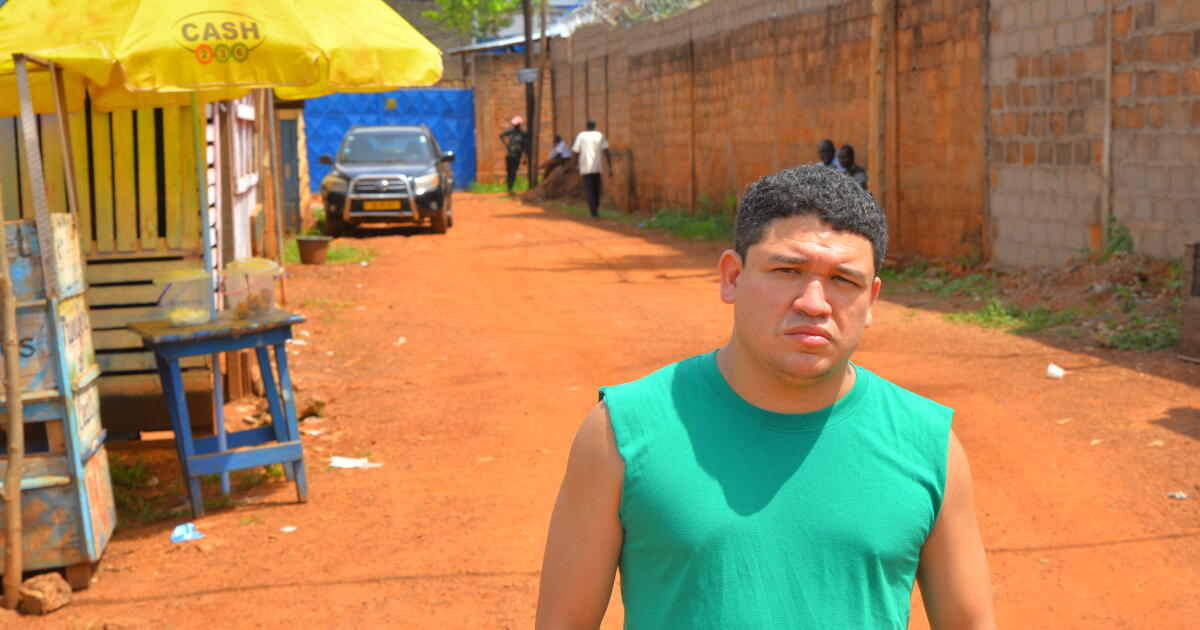
López, who was hit twice in the chest with projectiles, said he was strapped to a stretcher and carried onto the plane, where he was restrained for the roughly 24-hour journey to Bangui, the capital of the Central African Republic. More than 25,000 people have been expelled from the U.S. under a Trump administration program to deport asylum seekers and other migrants to “third countries” where they have no ties. A federal appeals court ordered a pause on the program last week, saying the government failed to give migrants “a meaningful opportunity” to challenge their deportations to third countries.
The Trump administration vowed to take the case to the Supreme Court, with Atty. Todd Blanche describing the program as “an entirely legal and invaluable tool to stem the tide of illegal immigration.” The administration has routinely said that its enforcement operations are carried out in compliance with federal law and that detainees are treated humanely. The Aug. 29 deportation of López and 42 others to Bangui highlights the sometimes violent tactics that officials have used to force detainees onto flights out of the U.S. — and the perils that await them once they land.
López and others recounted their journey in phone interviews from Africa. The plane carried migrants from several countries, including Iran, Bangladesh and Afghanistan. Human rights lawyers say that many of them, including an Afghan man whose brothers worked with the U.S. military, had no criminal records and had been granted a special protection that barred them from being returned to their home countries because they had proved to a judge that they faced possible torture there.
Two of the men who resisted boarding the plane were kept in full-body restraint suits resembling straitjackets for much of the flight, according to witnesses. All of the deportees were shackled at the ankles and wrists while in the air. After stops in two other African countries, the plane touched down in the Central African Republic, one of the world’s poorest nations and the site of an ongoing civil war between Muslim and Christian rebels that has claimed tens of thousands of lives over the last 15 years.
The primary languages are Sango and French. The migrants were given shots for yellow fever and taken to a housing complex, where they remain today, monitored at all times by armed guards. Bangui, which sits across a wide river from the Democratic Republic of Congo, is battling a recent cholera outbreak and faces water shortages and power outages.
Extract — continue reading at the source.