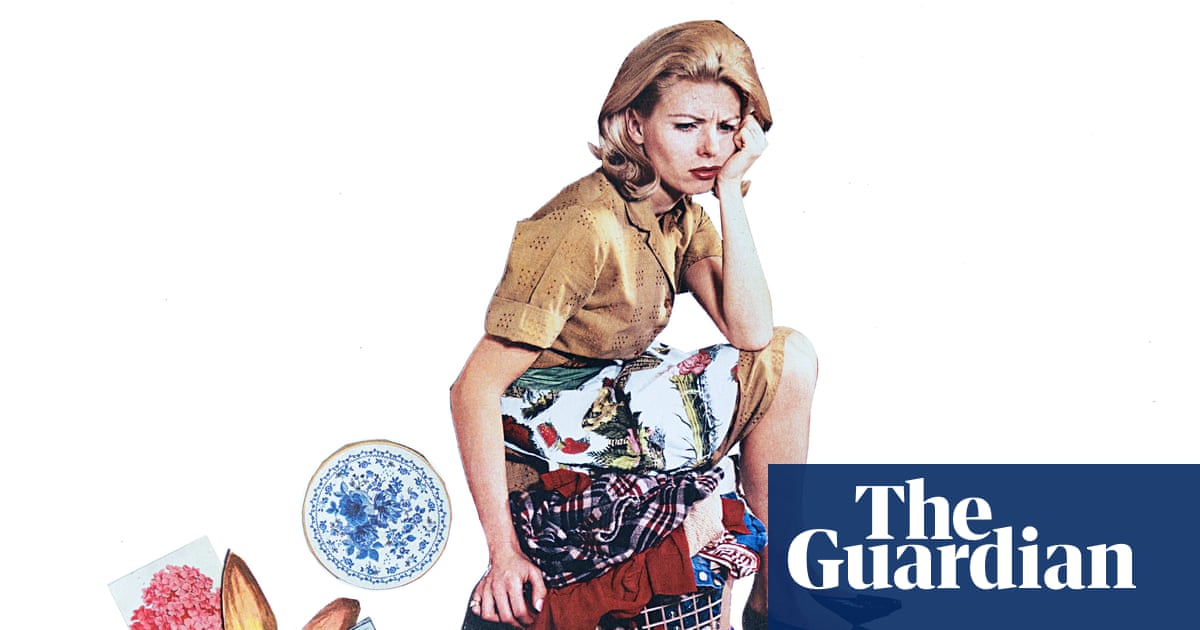
Soon after her marriage in 1952, Ellen Rogers’ mother, Fay, bought a coordinated bedroom ensemble – a floral dressing gown and matching bedspread. The day I talk on the phone with Rogers, she has made a tough decision – she is putting the gown and bedspread in a garbage bag to be sent off to a charity shop. Fay died in May aged 97, and had lived in the same terrace house in Camperdown in inner Sydney her whole life.
Rogers grew up in the house and returned three years ago to be a live-in carer for her mother. Now she’s cleaning out the house so it can be sold. The decisions she must make are endless; which pile for what item – family, rubbish or charity?
Her three brothers are elsewhere. I just wish I could speed up the process but I can’t. Some days I’m right on to it, and then other days I just can’t, because it’s very emotional – and I’m not really an emotional person.” I’ve been in a similar situation.
I know the emotion and loneliness of emptying a family home. After my father died in 2010, my mother moved to a smaller place on the Queensland coast. The large family home in Toowoomba where I grew up remained – overflowing with my parents’ household items, their collections (beer steins, fabric, books, Royal Doulton figurines), as well as every last item from my grandparents’ home which arrived in a large removal truck when they came to live with us.
It took me 12 years to empty what came to feel like an emotional halfway house; I flew up from Sydney for a fortnight or more a couple of times a year. My mother was with me, but absent too, lost in memories and completely incapable of making decisions about anything. We argued over everything.
We argued over a piece of string. I moved through the silent house feeling the ghosts of the family’s past, the grief-filled shadows, the immense weight of possessions, of stuff. But Rogers and I are not alone in the challenges we’ve faced.
Extract — continue reading at the source.