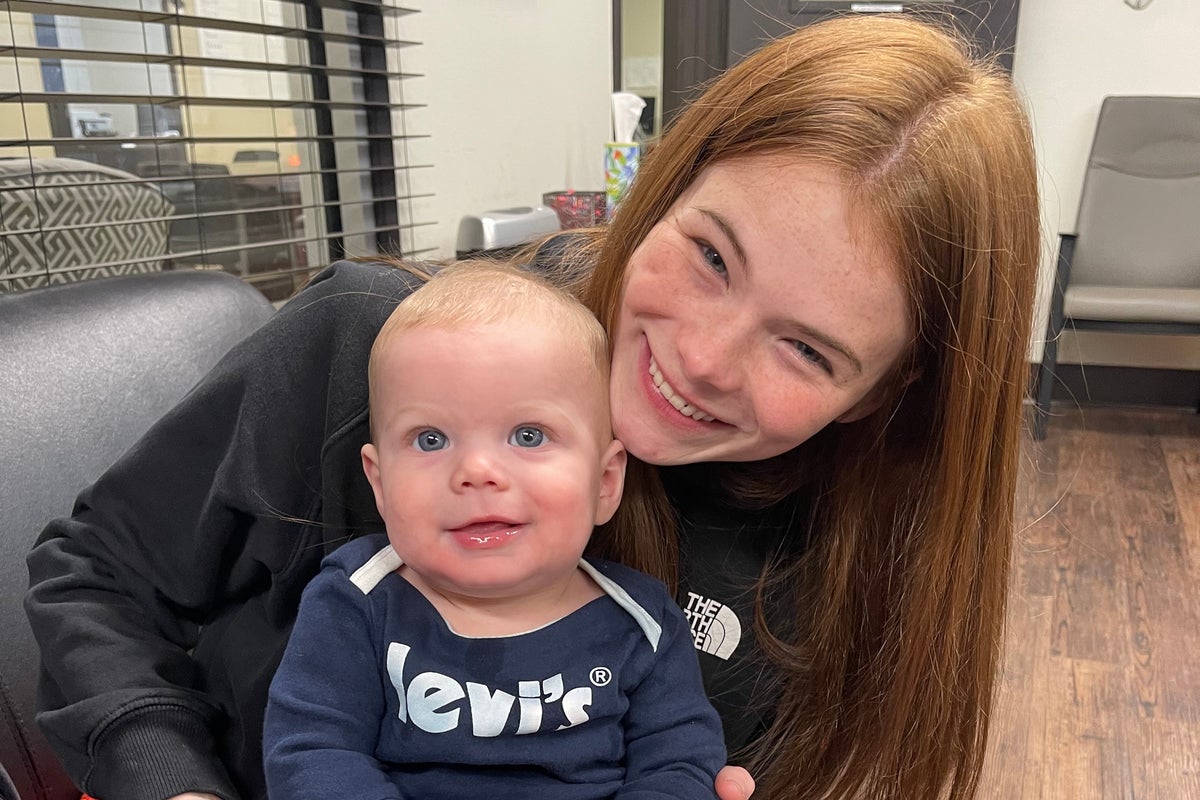
Editor’s Note: This report deals with postpartum mental health disorders and includes references to infanticide and suicide, which might be distressing for some readers. Please take care when reading. With her baby boy sitting happily on her lap, Stormi Griffin looked at the camera and smiled.
The photo, which she posted on TikTok along with images of her other two children, was not about “Pinterest-perfect” motherhood, she said, but to illustrate what she looked like in the throes of postpartum psychosis. Clancy’s defense team has argued that the 36-year-old is not criminally responsible for the murders, which took placeduring the onset of her postpartum psychosis. The prosecution portrayed the killings as a premeditated, deliberate act.
Griffin was one of three mothers who experienced their own postpartum mental health crisis and spoke to The Independent after following Clancy’s trial. On one hand, the case has seen an outpouring of support for Clancy with allies flocking to court in pink T-shirts reading: “She Needed Help.” But there has also been fierce condemnation from others who call Clancy “a monster.” The case has sparked a national conversation about the failures of maternal care — and raised questions about how women are treated by the healthcare industry more widely in the U.S. Griffin, a former medical assistant and now a dance teacher, has Thomas, 4, Ethan, 1 and stepdaughter Ava, 6.
She was diagnosed with postpartum psychosis last year, a few months after Ethan’s birth. The mental health condition, a medical emergency which occurs in approximately one to two women per 1,000 births worldwide, is linked to hormonal changes, sleep deprivation, and stresses that follow childbirth, according to medical experts. Postpartum psychosis is temporary and treatable with the right medication.
It also differs from postpartum depression, which affects approximately one in seven women after they have a child. At its most severe, Griffin, from Paris, Texas, said her symptoms included hearing voices and hallucinations that made her “lose touch with reality.” Griffin, who said that mental illness runs in her family, was one of hundreds of women sharing their postpartum experiences on social media during Clancy’s trial. She posted the smiling picture with Ethan on her lap to show how “normal” you can appear from the outside.
You can look completely fine.” Experts agree that mothers suffering from a mental health disorder around the time of giving birth often keep up appearances. Davis said the behavior is referred to as “masking.” “From the outside, it's often impossible to tell that things are very hard for her, that she's suffering and possibly in danger. And the mother herself might not realize what she is experiencing is a mental health disorder that is temporary and treatable,” she explained.
Extract — continue reading at the source.