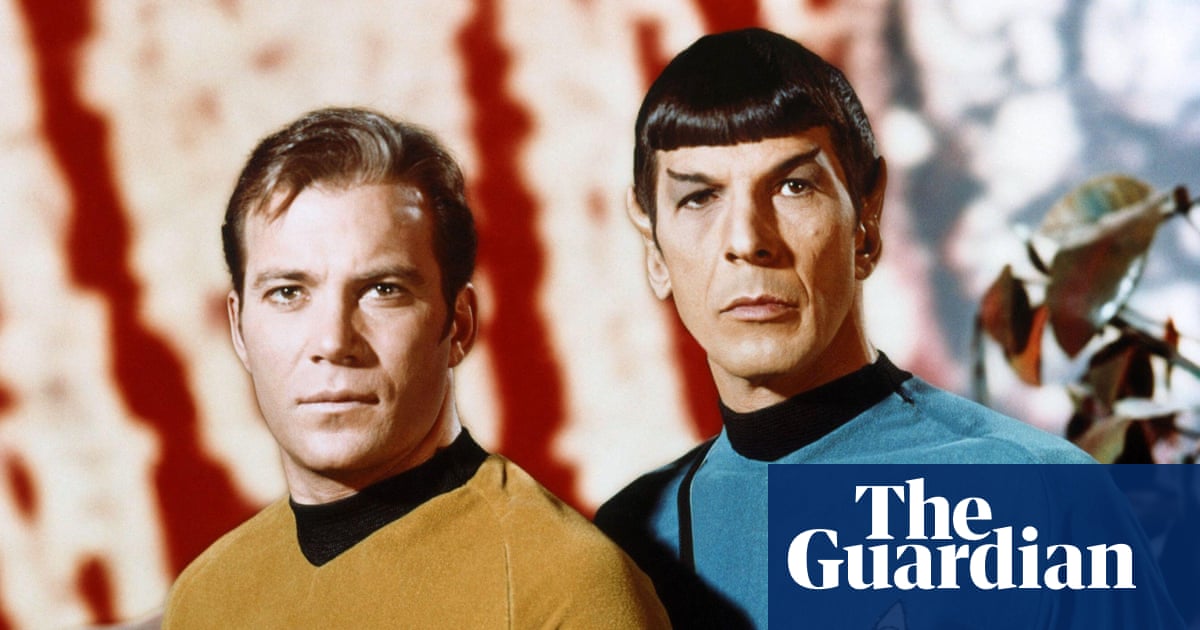
It really is meaningless, isn’t it, 60 years, in terms of what time is? On the other hand, Dolly Parton just died. It brings up the whole concept of the passage of time and what that means.” In an episode called The City on the Edge of Forever, Shatner’s Kirk travelled back in time and fell in love with a pacifist (Joan Collins) only to discover that she must die to prevent Nazi Germany winning the second world war.
Such ethical quandaries help explain why Star Trek will celebrate its 60th anniversary on 8 September not just as a force in US culture but a mirror held up to the country’s politics. Born in the idealism of the 1960s, the show offered a utopian vision of the future in which humanity sought to explore rather than conquer. Diversity, empathy and reason had triumphed over tribalism, superstition and greed.
Big government and big tech were liberators from scarcity and inequality. Star Trek’s fans included Martin Luther King and his wife, Coretta, who said it was the only programme they allowed their little children to stay up and watch. But six decades on, the Enterprise is encountering some cosmic turbulence.
Donald Trump’s America is convulsed by polarisation, culture wars and the retreat of liberal democracy, along with anxiety over artificial intelligence and climate catastrophe. Paramount, merged with Skydance Media for $8bn, promptly cancelled the latest Star Trek series amid claims that it was too “woke”. The rightwing complainers yearn for a return to the days of Iowa-born Captain Kirk, who fits their conceit of an all-American hero, even though Shatner is Canadian.
When he was hired in 1965 after NBC rejected Jeffrey Hunter’s dour pilot performance as Captain Pike, he brought an athletic, theatrical charisma that lifted the cerebral storytelling. In 1968, he and Nichelle Nichols, who played Lt Nyota Uhura, shared television’s first high-profile scripted interracial kiss in the episode Plato’s Stepchildren. Was he aware of its groundbreaking importance?
Shatner muses about “infrequent hates” that are “dramatised by documentary filming” to shock audiences and contends: “The vast majority of us just want to live and have your barbecue and live in peace and quiet and go do what you want to. You believe what you wanna believe and, if you don’t bother me, I won’t bother you. I think most people want to do that and if we could elevate those people to express themselves more, we’d discover that humanity really just wants to be human.” Star Trek is still pushing boundaries, much to the chagrin of unlikely fan Stephen Miller, the deputy White House chief of staff and driver of Trump’s extremist immigration policy.
Extract — continue reading at the source.