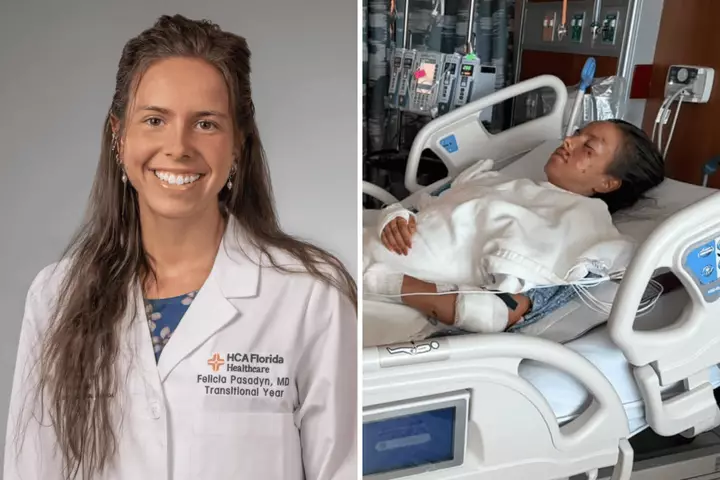
On September 9, I was going for a morning run, as I usually do before heading to the hospital to work as a resident physician. I had parked at the gym that morning, planning to run, take a cycle class, and be in the operating room by 7:30 a.m. It was supposed to be an ordinary, productive morning.
But I never made it back to the gym. With one mile left of my run, I entered a crosswalk with the walk signal on, and was hit by a truck traveling at least 45 miles per hour. I was thrown into the air and landed face down.
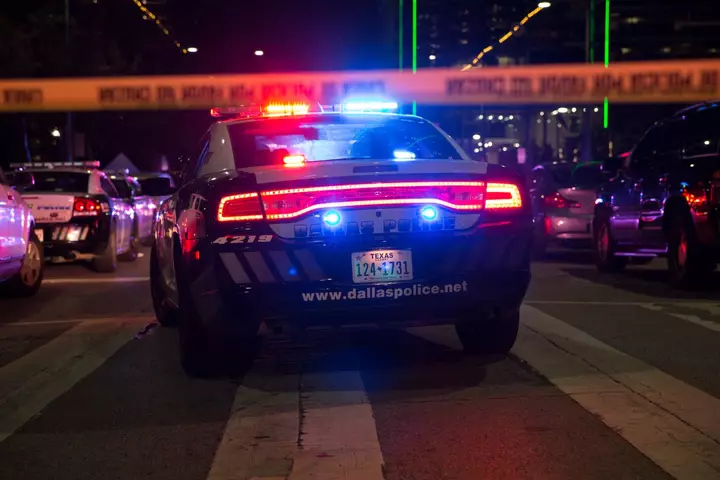
I was unconscious, but I was told the driver stopped, called 911, and waited with me. I also learned that, when the officer arrived, he assumed I had probably not survived the crash. But I did survive, albeit with extensive internal injuries.
I had a splenic laceration, an adrenal hematoma, bleeding from both kidneys and paraspinal muscles. Additionally, I suffered fractures of my clavicle, manubrium, two ribs, three lumbar transverse processes fractures, and an extensive fracture of the pelvic bone at the base of my spine. That's not to mention the road rash covering around 30 percent of my body, the deep puncture wounds to my knee, and the contusions covering my face and head.
I needed emergency surgery to control the bleeding, and spent three days in hospital—two in the trauma ICU as my medical team monitored and treated my serious injuries. Leaving the hospital was only the beginning of a very painful recovery. I am now six weeks out from the accident and still working toward walking normally without a walker.
There has been meaningful progress: my pain has improved, several of my fractures appear to be healing well, and I can do more for myself than I could even a few weeks ago. However, my pelvic fracture, knee injuries, and deeper wounds continue to limit me, and my long-term recovery timeline remains uncertain. The first two weeks after leaving the ICU were particularly brutal.
Extract — continue reading at the source.