The devastating flash floods in the Himalayan region swept so many people downstream that authorities in one Nepalese district have begun burying bodies in temporary graves before they can be identified KATHMANDU, Nepal -- The devastating flash floods in the Himalayan region swept so many people downstream that authorities in one Nepalese district have begun burying bodies in temporary graves before they can be identified, prompting accusations that Hindu funeral traditions are being ignored. In south-central Nepal's Chitwan district, the scale of the catastrophe was evident in some 250 bodies awaiting identification and the hastily dug trenches for their temporary burial following Wednesday’s catastrophic floods and mudslides, which killed at least 800 people and left more than 3,000 missing in Nepal and Tibet. The bodies were carried hundreds of kilometers downstream by the Bhotekoshi River from the flood's epicenter before being recovered in Chitwan.
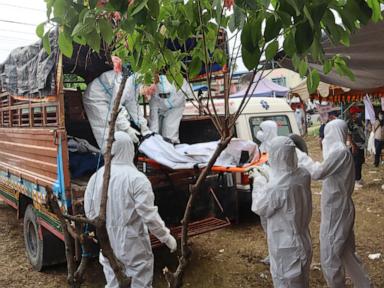
Authorities carried out a temporary burial of about 100 victims on Saturday, officials said, as forensic teams struggled to cope. A convoy of vehicles carrying bodies entered a lush, forested area as an excavator dug a wide trench in the red earth while officials and media looked on. Anil Thapa, a police inspector coordinating the handling of the bodies, said another 50 bodies were having DNA samples taken ahead of their likely burial Sunday.
Authorities preserve the DNA samples, photograph distinguishing facial features and record other identifying details, Thapa said. The bodies are assigned a reference number to help families claim them later. Thapa said many of the bodies had remained submerged in floodwaters for about four days and were already decomposing by the time they were recovered.
Across the region, homes, vehicles and farm tractors still lay partially buried in mud. Limited forensic infrastructure and inadequate morgue capacity in the district further strained efforts to manage the overwhelming number of bodies recovered from the disaster, officials said. High humidity and sweltering heat accelerated decomposition, compounding the challenges as health experts warned that leaving the remains exposed could increase the risk of disease.
Fresh landslides in the area on Sunday closed the main highway linking the capital city of Kathmandu and Chitwan, a day after it partially reopened, complicating efforts to move bodies and relief supplies. As survivors grappled with the aftermath, criticism of the burials mounted. Some residents said the dead had waited days for their last rites and were denied dignity in death.
Families still waiting to locate missing relatives and some public figures questioned whether authorities moved too quickly. The issue is particularly sensitive in Nepal, a predominantly Hindu nation where the dead are traditionally cremated. Ruby Chaudhary, who has two missing relatives, said the burials should not proceed without families’ consent.
Extract — continue reading at the source.