A recent killing in Salvador highlights rising violence in Bahia, Brazil SALVADOR, Brazil -- On the day they were going to kill him, Evilásio Santos da Silveira Júnior, 33, told his sister he was going grocery shopping in the city of Salvador in northern Brazil where the line between the crossfire of rival drug gangs and police lethality has been increasingly blurred. But he never came back home. His death and the questions surrounding it encapsulate a major hurdle for President Luiz Inácio Lula da Silva to beat Sen.
Flávio Bolsonaro in October’s national elections. The rising violence and critiques of government response could impact Lula in his stronghold state, where he won 72% of votes in the 2022 runoff against then incumbent Jair Bolsonaro. The 80-year-old president needs to maintain a strong lead with the 11 million baianos, as the state's residents are called, to beat his predecessor’s son, Sen.
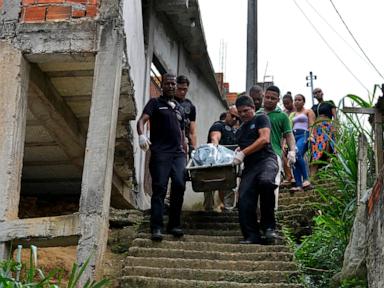
The former trade unionist is polling below his results four years ago in Bahia, and public security is pointed to as the key reason. Yet the president’s campaign trusts the appeal of his flagship social programs with baianos so he can once again win big. Born and raised in the colorful capital of Bahia, Júnior died after bleeding for hours in an abandoned favela house with a shot through his brachial artery, close to the armpit.
Bahia state police officers at the scene said he was caught in a shootout between rival factions and suspect him of involvement. His family said he had no ties to gangs and was instead randomly killed by state forces during an unprovoked surprise raid. I am sorry to say that many times, at the end of the day, they are the criminals,” said Magnólia Nascimento, Júnior’s sister, who said she hopes the next president improves public safety and stops gangs from spreading, as Lula and Sen.
Bolsonaro have promised to do. Both police officers interviewed by The and Júnior’s family agree that their state of Bahia has never been as violent, with five out of the country’s 10 most deadly cities there, according to nonprofit group Brazilian Public Security Forum. Salvador is the nation’s deadliest state capital, with nearly 53 violent deaths for every 100,000 residents, according to the most recent data from 2024.
Some voters blame national crime gangs migrating to Bahia. Others point to Lula’s Workers’ Party, which has governed the state — and thus local police — since 2006. They say they have failed to make police less lethal or stop the flow of drugs and weapons and have not invested enough in education.
Extract — continue reading at the source.