Embassy in Tehran, eventually holding diplomats for 444 days and draining the authority of the Carter administration amid economic discontent. He was ousted a year later. Exactly 47 years later, another U.S. entanglement with Iran has dealt a blow to a different White House resident.
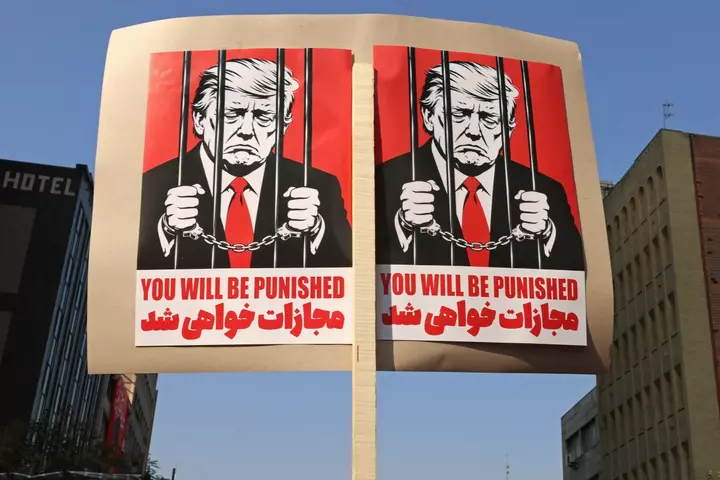
The semiofficial Iranian state media outlet Tasnim noted the anniversary by publishing a graphic of Trump next to Carter with the title "From Carter to Trump, how Iran got U.S. presidents into trouble." Both presidents have two large red Xs on their faces. The cartoonish taunt follows the resounding U.S. midterm election victory for Democrats, who won majorities in both the Senate and House of Representatives. Trump is still in office, but his "regime" is considerably diminished because he will need Democratic support to pass new laws.
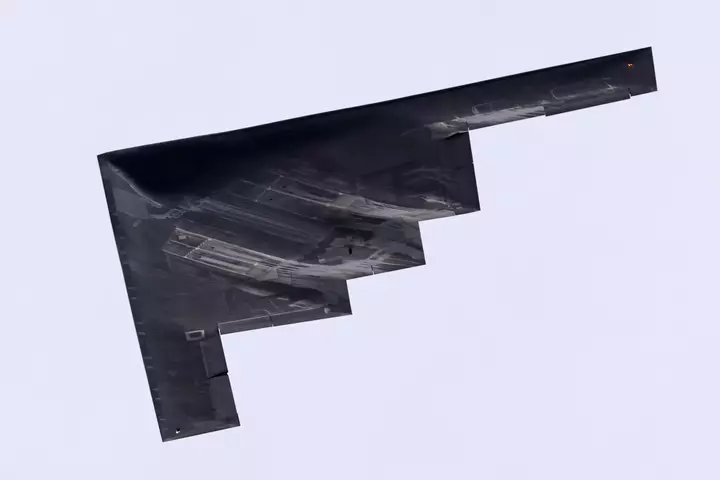
Discussing the Republican losses, Trump himself admitted "I think a part of it was Iran," as news rolled in of Senate seats in Texas, Kansas and Iowa being flipped by the Democrats. Trump's reasoning for the joint strikes on Iran launched on February 28 ranged from advocating for regime change to destroying the Islamic Republic's nuclear capabilities, contradicting his pledge for no forever wars. But Tehran's response of regional strikes and choking the Strait of Hormuz, a key conduit for oil and gas, have spiked energy prices globally with Americans feeling the pinch at the pump.
"It's the war stupid," Reid Smith, vice president of foreign policy at Stand Together posted on X on Tuesday night as the results gave Democrats at least 54 seats in the Senate and 228 in the House of Representatives. Now a war aimed at weakening Iran's regime has actually diminished Trump in the final two years of his presidency. "Trump is lucky that there have been few U.S. casualties so far but the knock-on effect has been sustained rising prices at home," said Mark Shanahan, a U.S. politics expert at England's University of Surrey.
"Voters in Texas, Kansas and Iowa may have next to no interest in foreign affairs and may still support the nebulous concept of 'America First'—but what they will never support is an unnecessary hit in the wallet." Foreign policy is seldom a decisive factor for Americans at the polls, but prices are, especially with gasoline rising by more than a third since Trump returned to the presidency—to an average of $4.27. "The most compelling factor for voters was the cost of living," said Shanahan. "In February, the economy was growing reasonably well, Trump had got his tax-cutting One Big Beautiful Bill through Congress and inflation was under control.
But then he attacked Iran," he said. However by the time the elections came around, more than three-quarters (77 percent) of voters considered the Iran War "extremely" or "very important," next to the economy and healthcare, according to a Gallup poll last week. Ending the war with Tehran, was only behind jobs and the cost of living as priorities for voters in six swing states, according to a NetChoice/Echelon Insights poll last month.
Extract — continue reading at the source.