.png?width=1200&auto=webp&trim=0%2C100%2C0%2C100)
The US and Iran have traded strikes on ships, the latest round of attacks since the conflict flared a week ago after a period of relative calm. US Central Command, which oversees the nation’s military in the Middle East, said it struck three Iranian oil tankers, including one off the coast of Kharg Island, near the nation’s oil export hub, after Iran's Islamic Revolutionary Guard Corps launched ballistic missiles at two US Navy ships. Admiral Brad Cooper, head of US Central Command, said: “Let the message to the IRGC be clear: If you shoot at two of our ships, we will impose an even higher economic cost — taking out three of yours.” The IRGC responded by threatening intensified strikes against US military vessels in the region, and later said it targeted three tankers that Tehran claimed were on unauthorised routes in the Strait of Hormuz, as well as as three US-linked vessels in other areas.
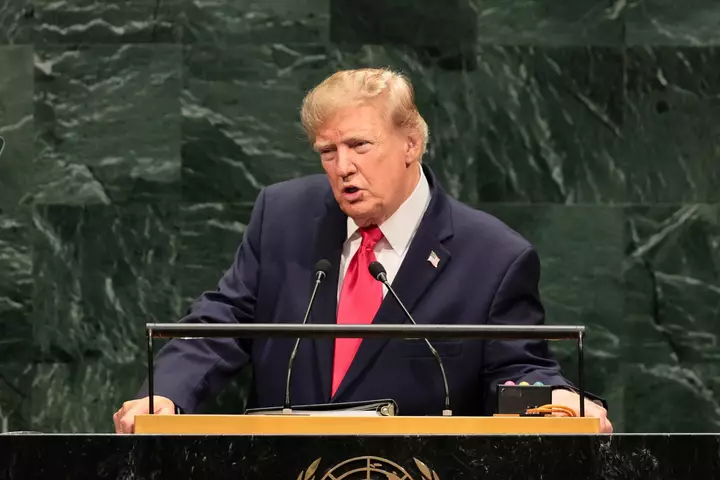
The exchange of attacks followed an escalation in the past week that threatens to deepen a conflict that has continued since the US and Israel launched strikes on Iran in February. The Chancellor has warned that the Budget in the autumn could be tough, as US President Donald Trump’s war in the Middle East affects the British economy. John Healey issued the warning amid the leap in Government borrowing earlier this week, reflecting concerns among lenders about the inflationary impact of the US’s war with Iran.
Mr Healey also told the Financial Times he would ensure the UK emerges from his first Budget on 28 October with a solid “buffer against uncertainty”. Economists have predicted that the fiscal buffer Rachel Reeves built up in her last budget, through a combination of tax rises and departmental spending cuts, will be squeezed by the inflationary pressures of ongoing global turmoil. This could limit prime minister Andy Burnham’s ambitions to tackle the cost-of-living crisis, and spending plans across his wider agenda for Government.
The chancellor told the FT: “What’s happening in the Middle East is hitting inflation, it’s hitting growth, it’s hitting borrowing costs.” He added: “It’s part of a more dangerous world that is more uncertain and it’s one of the challenges we have to meet in this country, but have to meet with other [countries].” The Israeli military said it was striking southern Lebanon early on Sunday in retaliation for Hezbollah firing two drones at Israeli soldiers stationed in a part of the region it has declared a security zone. The Israeli military had issued an evacuation warning to areas near a building in Arab Salim town in South Lebanon, saying it will strike it as it is used by Hezbollah. There was no immediate comment from the Iran-backed group.
On Friday, the Israeli military said it struck weapon storage facilities intended to be used by Hezbollah in south Lebanon. Since 2 March, Israeli strikes have killed more than 4,300 people in Lebanon. From behind the bars of a brutal Iranian prison, a political dissident awaiting execution describes life behind bars – and says the war with the US has made carrying out executions easier for the regime.
A fuel tanker exploded in western Iran, killing 11 people and injuring seven others, state media said. IRNA reported late Saturday that the tanker hit other cars before bursting into flames near a traffic police station close to the Kurdish city of Sanandaj, some 400 kilometers (248 miles) west of the capital, Tehran. The report cited a faulty brake system.
Extract — continue reading at the source.