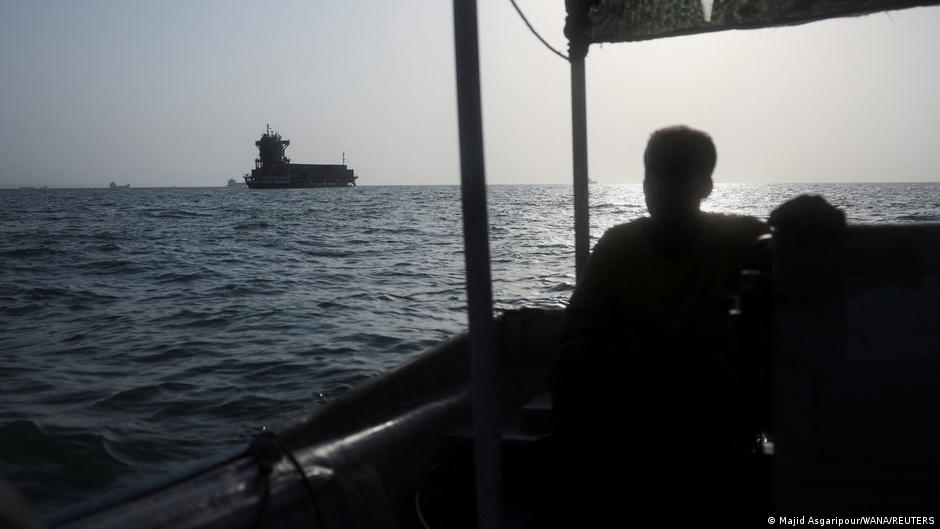
Nearly seven months into the Iran war, negotiations between Washington and Tehran have led nowhere, and the conflict has spread from the Strait of Hormuz to another strategically important shipping route. In September, Iran-backed Houthi militia in Yemen took over critical positions on the Yemeni coast and are threatening Red Sea trade routes while launching attacks on targets in Saudi Arabia. This compounds a global energy crunch brought on by the Strait of Hormuz blockade.
Earlier in September, Saudi officials blamed Iran-backed militias in Iraq for blowing up the critical East-West oil pipeline. According to The New York Times, Saudi Crown Prince Mohammed bin Salman called US President Donald Trump on Sunday to once again urge him to intervene and stop the Houthi's rapid advance. Trump is reported to have considered airstrikes against the Houthis at one point, but later abandoned the plans.
This weekend, Fox News reported that Trump said the Houthi rebels had agreed not to attack US targets. The US news outlet Axios also reported that Trump had rejected a Saudi request for strikes against the Houthis the previous week. To view this video please enable JavaScript, and consider upgrading to a web browser that supports HTML5 video Against the backdrop of record high gasoline and diesel prices coming down hard on voters ahead of the November 3 US midterm elections, US President Donald Trump is under pressure to show results in the Iran war.
"President Trump wants to end the Iran war from a position that allows him to claim that Iran's nuclear and military capabilities have been significantly weakened, freedom of navigation has been restored, and Tehran has been forced back to the negotiating table," Iran expert Fatemeh Aman told DW. Aman, who has worked with organizations including the Middle East Institute, the Atlantic Council, RFE/RL and Voice of America, however, added that a coherent strategy for achieving these objectives remains difficult to discern. The US has imposed high military and economic costs on Iran and appears to have made progress in weakening the country's military capabilities.
But Tehran has not capitulated and there is no lasting ceasefire agreement. Trump is due to meet Chinese President Xi Jinping in Washington this week. China is by far the largest buyer of Iranian oil and an important political partner of Tehran.
The US president is likely to bring up China's economic and financial ties with Iran and hope that Beijing will use its influence over Tehran — particularly when it comes to the security of shipping in the Strait of Hormuz. At the same time, Trump has signaled that he is open to meeting Iranian President Masoud Pezeshkian, who is traveling to New York for the United Nations General Assembly. Senior representatives from the Gulf states are also expected in the US over the coming days.
Extract — continue reading at the source.