Kanan Abdullah has been working as a driver in the Syrian capital Damascus for around 12 years but he, like many others in his trade, is now finding it difficult to make ends meet following recent fuel price rises in Syria. "You're left with almost nothing at the end of the day" he told DW. "You have enough to buy another tank of gas but how are you supposed to buy food?
Or what if you need money set aside to repair the car?" he complained. His potential passengers feel the same way. "People are starting to worry about how they're going to get to work and get home because transport alone is costing them half their pay," added Kamar Kasoum, a local mother of three.
In mid-September, the Syrian government raised the price of all kinds of fuel, including petrol and diesel. Diesel saw the biggest hike, rising 40%. The energy ministry explained such changes were necessary because of higher global fuel costs — Syria remains dependent on energy imports — as well as local shortages.
The move triggered some of the most widespread protests Syria has seen since thedictatorial Assad regime was toppled in late 2024. While fuel prices are still comparable with other countries in the region, Syrians are struggling because of lower purchasing power, experts say. Demonstrators burned tires, blocked roads and called for the dismissal of politicians they held responsible.
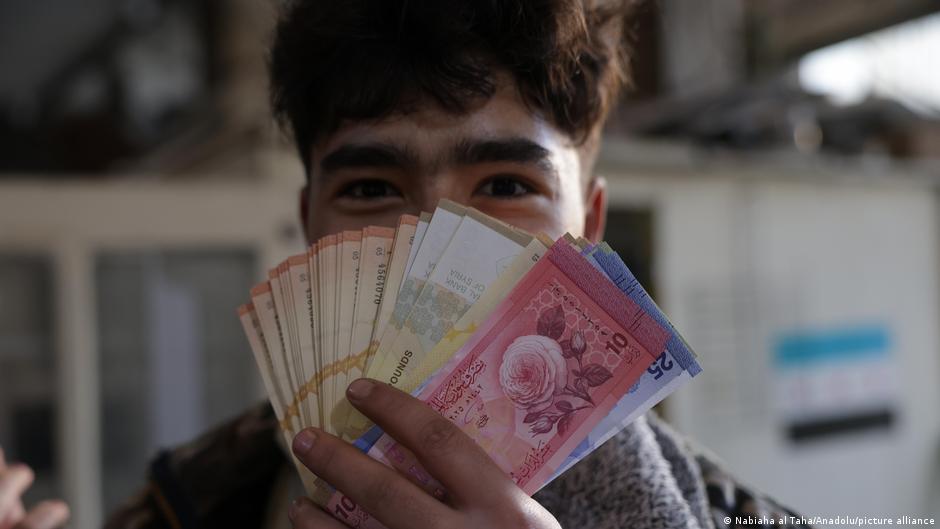
The protests subsided as the Syrian government walked back some changes and announced plans to subsidize diesel for heating, agriculture and industry. But higher fuel prices are only the latest to add inflationary pressure on ordinary Syrians. In its most recent bulletin on the consumer price index, the Syrian Center for Policy Research, says prices increased almost 25% between July 2025 and July 2026.
Worryingly, the highest price increases — around 37% — were on "essential expenditure" such as housing, water, electricity and gas. "There is no sensible correlation between the income an individual earns in Syria and the prices they're paying," Alaa Sndyan, an architect in Damascus, told DW. "People are starting to feel the pinch, they feel that prices have gotten way too high." "And these protests and demonstrations didn't just come out of nowhere," Kamar Kasoum added.
Extract — continue reading at the source.