Israelis go to the polls on October 27 to elect the 26th Knesset, in the first general vote since the genocide against Palestinians in Gaza and the wars on Lebanon and Iran. Benjamin Netanyahu, the longest-serving prime minister in Israel’s history, with 19 years in office, is seeking another term while standing trial on corruption charges. His Likud party and the far-right coalition it leads are locked in a close race with a Jewish-led opposition bloc, with neither side appearing on track to win an outright majority in the 120-seat Knesset, Israel’s parliament.
About 7.3 million people aged 18 and above are eligible to vote, according to Israel’s Central Elections Committee. Most polling stations open from 7am to 10pm, and anyone still queuing when they close is entitled to vote. Election day is a national holiday.
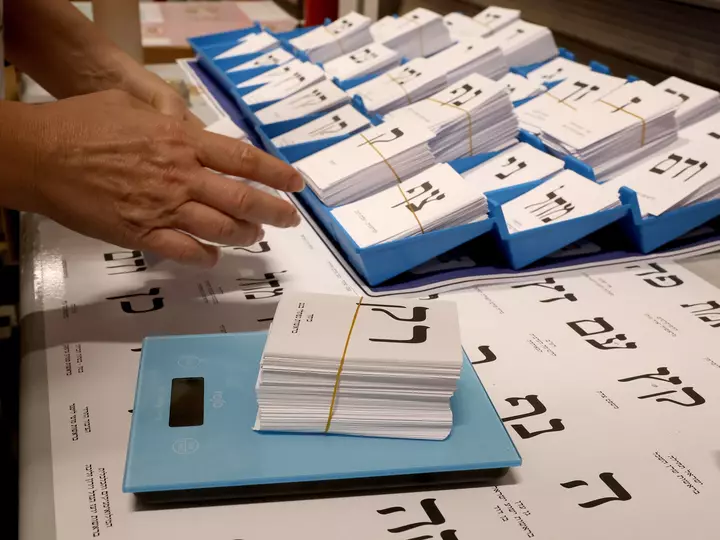
Any party clearing an electoral threshold of 3.25 percent enters parliament, which sits for a four-year term. There are no term limits for a prime minister. Israelis vote for a party, not a candidate.
A majority requires 61 of the 120 seats and no party has ever won that outright. Finishing first does not guarantee power. Parties then have 28 days, with a possible extension of up to 14 days, to assemble a coalition reaching 61.
If nobody manages it, the country votes again. Seats are shared out in proportion to each party’s share of the national vote, so a party winning 30 percent of votes takes roughly 30 percent of seats. The votes for parties failing to secure 3.25 percent are discarded, which explains why small parties routinely merge before every election.
About 7.3 million Israeli citizens are eligible to vote in this election, but they are not the only adults living under the government they choose. Roughly three million adult Palestinians in Gaza, the occupied West Bank and occupied East Jerusalem have no vote in the government that controls their borders, movement and legal status. Jewish Israelis and Palestinian citizens of Israel, who number about 1.2 million, can vote.
Extract — continue reading at the source.