British intelligence has been given assurances by its Israeli counterpart that information sharing with the UK will continue as before, Ed Miliband, the foreign secretary, has said. The disclosure counters predictions that his decision to impose a ban on trade with illegal Israeli settlements would lead to a collapse in cooperation between the agencies. The exchanges of information are seen as mutually beneficial and it is understood that Israeli intelligence was never willing to become mired in any political dispute between the two governments.
Miliband insists the intelligence sharing from the UK has not aided the Israeli occupation or its actions in Gaza and the West Bank. Miliband also expressed confidence that the US shared some of his exasperation with Israel’s reluctance to constrain the settlers in the West Bank, or to engage fully with the 20-point plan for Gaza set out by Donald Trump’s Board of Peace. As yet there has been no explicit criticism of the UK’s actions by the White House.
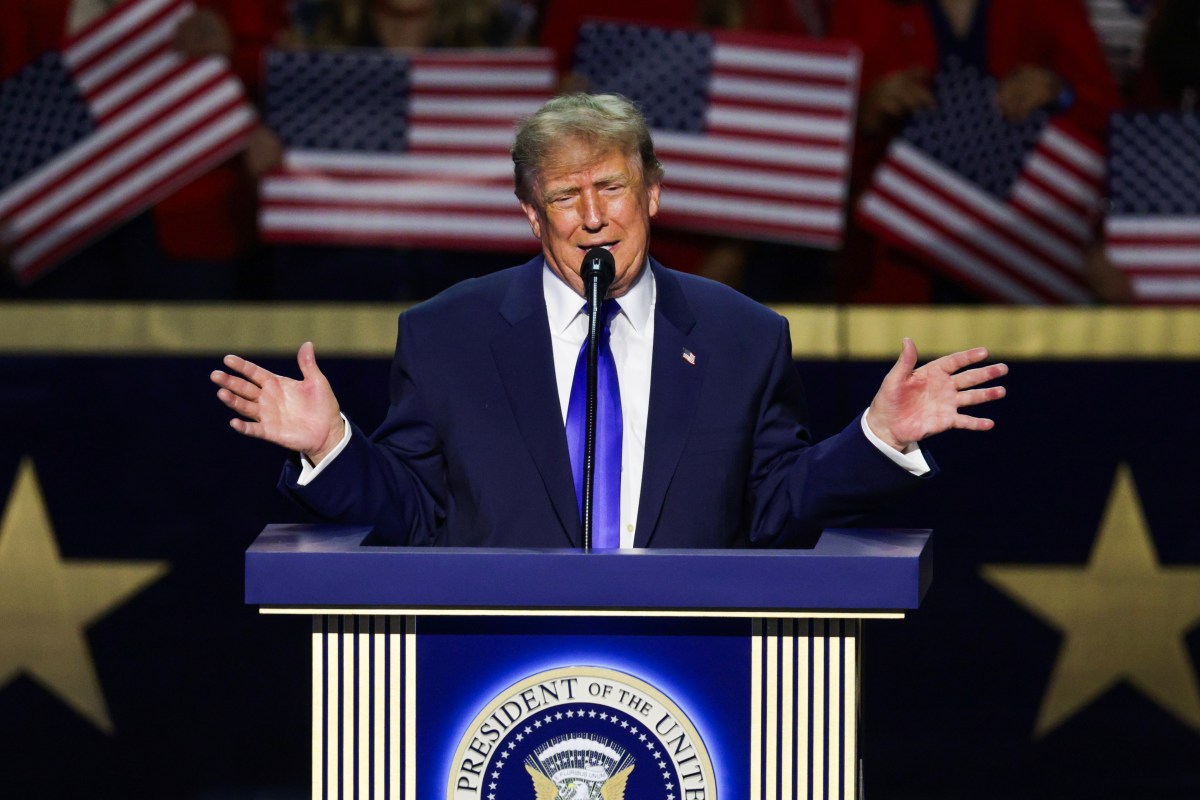
Trump avoided taking a hard stance when pressed about the coalition of countries, including the UK, France, and Canada, that have imposed new sanctions on Israeli settlements in the West Bank. Trump, now locked in fighting midterm elections, appears reluctant to leap to the aid of Benjamin Netanyahu, the Israeli prime minister, who persuaded him to go to war against Iran. That decision has pushed oil prices beyond $100 a barrel, helping to swell a threatened “blue wave” that could leave the Democrats in charge of both the House and the Senate.
There is also cross-party concern in the US at the violent tactics adopted by some Israeli settlers. Miliband said on Sky News on Wednesday: “We obviously talked to the Americans in advance of our announcement. I think the whole international community, let me say this, has been quite frustrated, to put it mildly, with some of the actions of the Israeli government.
Marco Rubio, the US secretary of state, was careful not to endorse the UK sanctions, but affirmed he shared the objective of securing greater stability. Miliband can also claim credit for persuading Canada and France to join the trade ban, the surprise element in the package announced on Tuesday. The agreement came together late in the process.
Eight other European countries have announced their intention to introduce such measures or to support the measures within the EU, a statement of solidarity that represents probably less of a shift than headlines might suggest. Some of the signatory countries had already taken steps independent of the EU, or had long been advocating for measures such as suspension of the Israel-EU trade agreement. For France, the decision to join the British initiative was formalised relatively late during Emmanuel Macron’s trip to London, when he met Burnham on 3 September and celebrated the display of the Bayeux tapestry at the British Museum.
Extract — continue reading at the source.