As children return to school, families have a lot to look forward to: fresh routines, new connections, crisper weather—and a greater risk of head lice. September is National Head Lice Prevention Month in the U.S, coinciding with a time of year when infestations tend to surge. April Armstrong, chief of dermatology at the University of California, Los Angeles.
Head lice is a common childhood condition, with up to 12 million head lice infestations occurring among children ages 3 to 11 every year in the U.S., according to estimates from the U.S. Centers for Disease Control and Prevention (CDC). The insects don’t spread disease, but they can still cause a great deal of distress, doctors say.
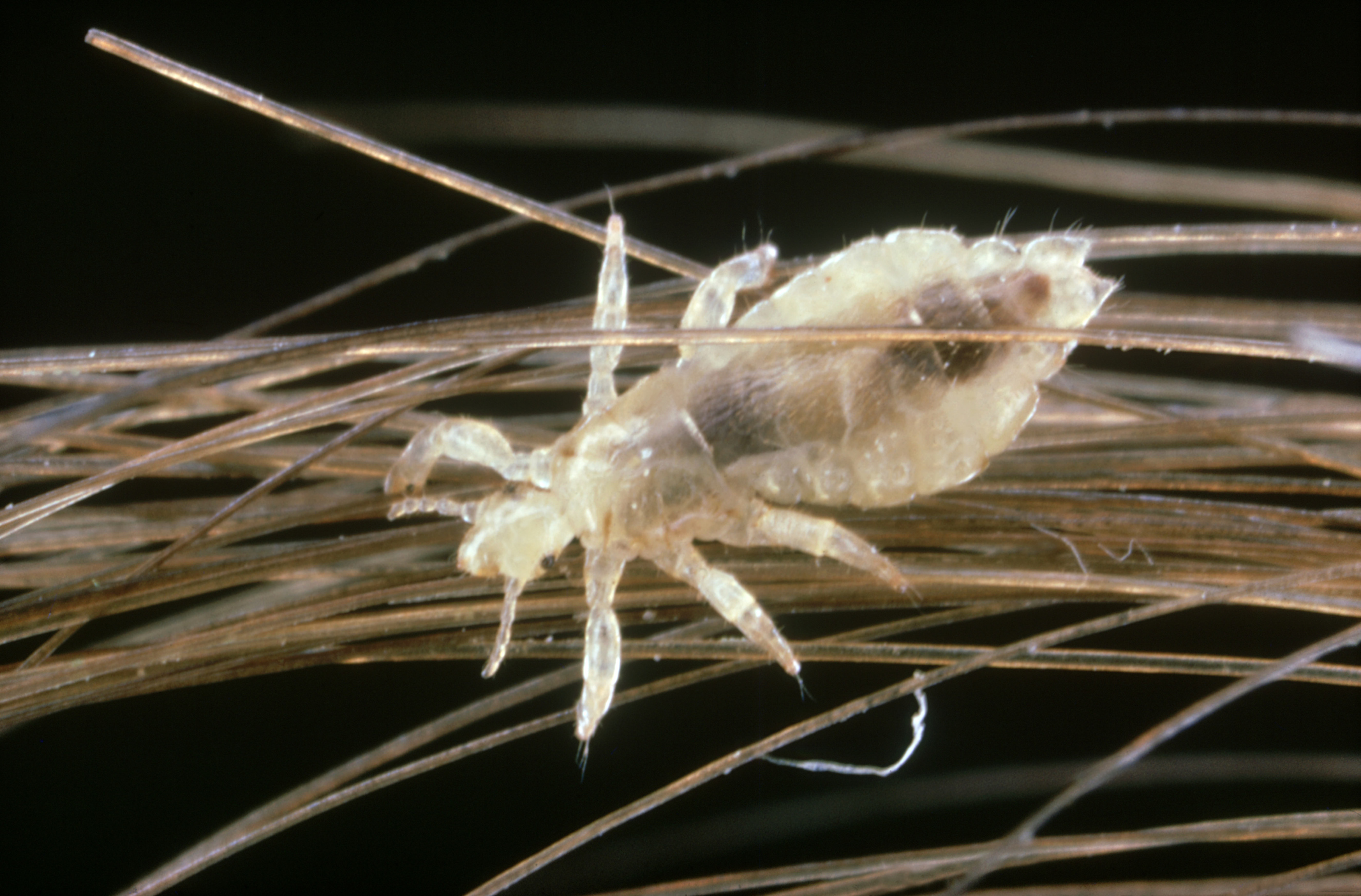
Carla Torres Zegarra, a pediatric dermatologist at Children’s Hospital Colorado. Head lice, or Pediculus humanus capitis, are tiny, wingless insects that feed on human blood. They are found mostly on the scalp, but sometimes appear on eyebrows and eyelashes.
Adult head lice are about the size of a sesame seed and are usually tan to grayish-white in color, according to the American Academy of Pediatrics (AAP). Head lice lay and attach their eggs—known as nits—to the base of hair shafts using a glue-like substance. Infested people may have a combination of adult and juvenile head lice, nits, and empty egg casings on their scalp and in their hair.
There are three different types of lice that feed exclusively on humans: head lice, pubic or “crab” lice, and body lice. Unlike head lice, which have elongated bodies, pubic lice have short and round bodies, resembling crabs. Pubic lice typically spread through sexual contact and are most common in adults.
When people have body lice, the insects are found primarily on their clothing and bedding, and sometimes on their bodies. Unlike head lice, body lice is connected to hygiene practices and access to clean clothing, and spread primarily through direct contact with someone who has body lice or with their contaminated clothing or bedding. In the U.S., body lice mostly affects people without access to housing, clean clothes, and regular bathing, CDC says.
Extract — continue reading at the source.