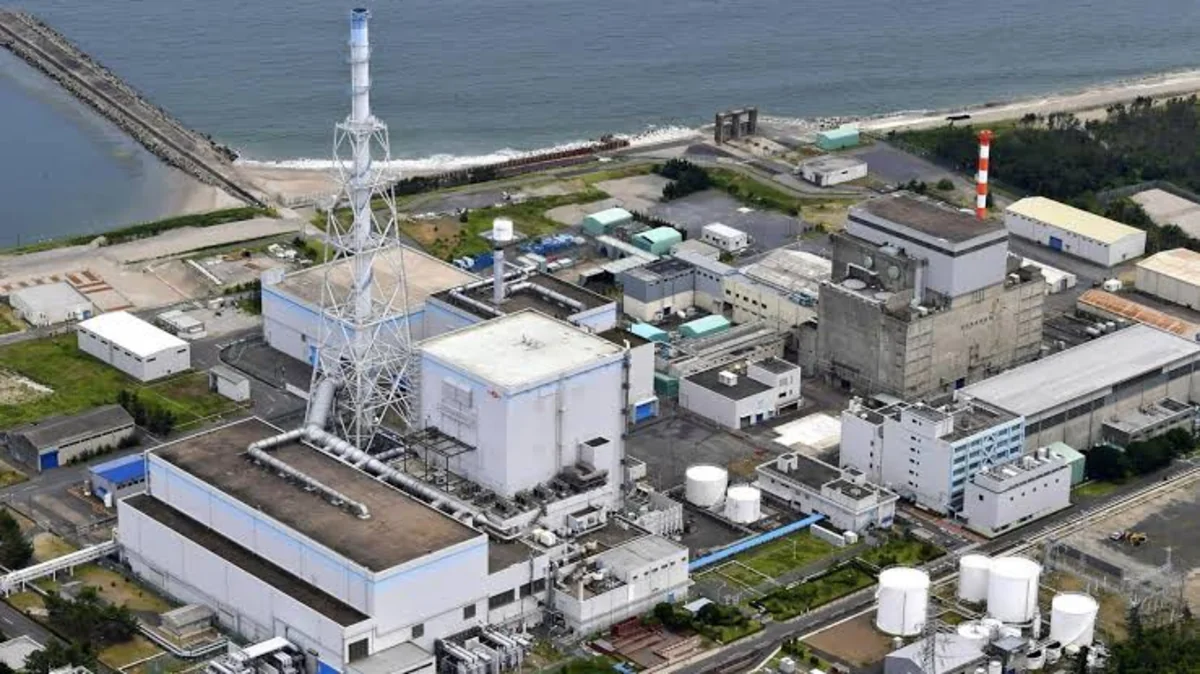
Japan’s Nuclear Regulation Authority (NRA) has approved a change to the rules governing the construction of special safety facilities at nuclear power plants. The decision effectively gives operators more time to complete facilities designed to protect reactors in the event of a terrorist attack or another severe accident. Under the previous rules, operators had to complete these facilities within five years of receiving approval for the plant’s construction plans.
Under the revised approach, the five-year period will instead begin when a reactor starts commercial operation. The change is expected to prevent several reactors from having to stop operating simply because their additional safety facilities were not completed on time. One of the main reactors affected is Unit 2 at the Onagawa Nuclear Power Station in Miyagi Prefecture.
Its deadline had been approaching in December 2026, meaning the reactor could have faced an operational suspension if the required facilities were not completed. Under the new rules, the plant can continue operating while construction proceeds. The same change will affect other major nuclear facilities.
For example, the deadline for Unit 6 at the Kashiwazaki-Kariwa Nuclear Power Station in Niigata Prefecture is expected to move from September 2029 to April 2031. Kashiwazaki-Kariwa is one of the largest nuclear power stations in the world, with seven reactor units and a total capacity of more than 8 GW. The facilities being discussed are known as Specific Severe Accident Response Facilities.
They are designed to provide additional protection and allow operators to respond to a serious emergency even if the main control room or other important systems are damaged, including in scenarios involving an intentional aircraft strike or terrorist attack. The decision has nevertheless attracted criticism. Opponents argue that these facilities should be completed before a reactor is allowed to operate and that changing the deadline could be seen as a concession to electricity companies struggling with construction delays.
Supporters of the reform say it provides a more realistic timetable without lowering safety standards. The issue is particularly important for Japan because the country has been gradually restarting nuclear reactors that were shut down following the 2011 Fukushima Daiichi disaster. Nuclear power has become an important part of Japan’s efforts to secure a stable electricity supply while reducing carbon emissions.
Extract — continue reading at the source.