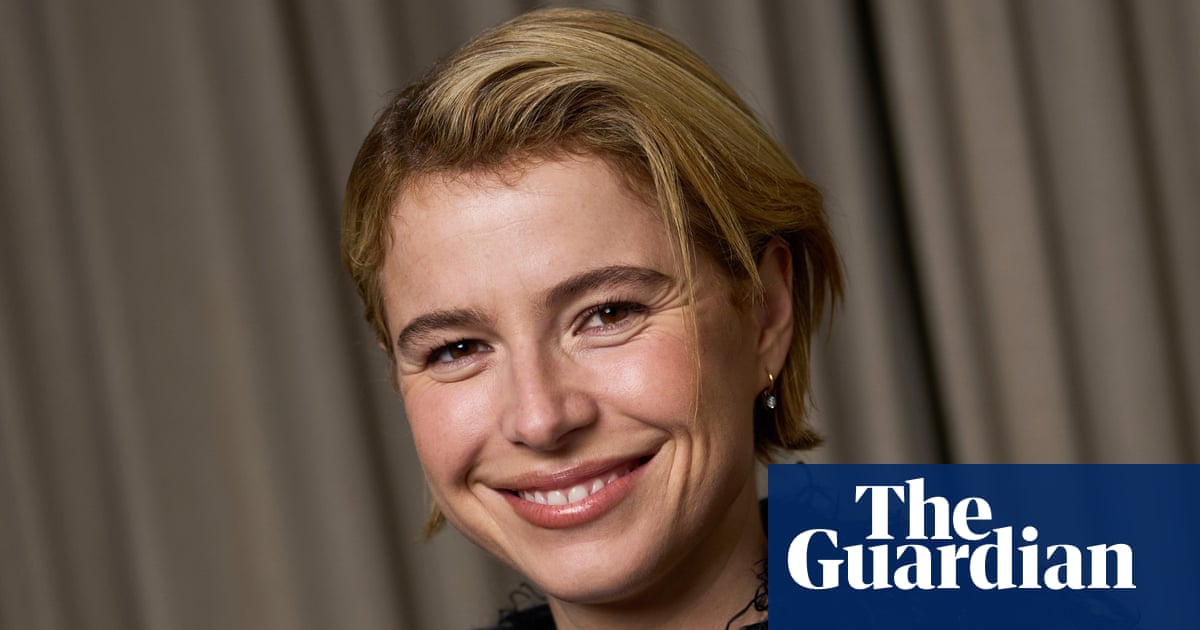
Jessie Buckley has questioned whether the film industry places too much emphasis on Oscar campaigns at the expense of nurturing emerging talent, suggesting there may be greater potential in supporting film-makers at grassroots level. Speaking at the BFI and Chanel film-maker awards in London, the actor was responding to comments by John Malkovich, who said Oscar campaigns were now the only way to get audiences into cinemas. It would be so easy to just go and film and then hide.
I wish we could all do that. But I don’t think that’s how it works any more.” Buckley, who has made predominantly independent films, said the industry’s reliance on film promotion affected not just actors and directors but the wider workforce. Crews, marketing, everybody.
And if you don’t support it, you’re not going to have a job,” she said. I wonder if there’s more potential in nurturing at a grassroots level than giving so much weight to a marketing Oscar campaign.” Four emerging UK film-makers were named recipients of this year’s BFI and Chanel film-makers awards, each receiving £20,000 to develop their work. They were announced at a ceremony at Claridge’s in London on Wednesday, with Buckley and Gwendoline Christie joining a jury that also included BFI CEO Ben Roberts, Edward Enninful and Marie-Louise Khondji.
Buckley called for greater support for film-makers working outside established industry structures, pointing to the success of films “made on shoestring budgets”, including Obsession and Backrooms. It would be completely selfish if we didn’t. At some point we want to pop off this earth, and we need to support the next generation.
I want to know what they’ve got to say, what their world looks like.” The four winning films explored subjects including political protest, racial profiling, female solidarity and family trauma. Rich Felgate, director, producer and cinematographer of We, the Hated, was recognised for his documentary about Just Stop Oil protesters and the personal consequences of participating in a polarising movement. The jury described the film as “urgent and brave”.
Buckley said it had prompted her to reconsider the role of protest in society. That we need to understand more and need films like that more.” Olive Nwosu won for Lady, her feature debut set in Lagos, which follows one of the city’s few female taxi drivers as she becomes drawn into the world of a childhood friend who has become a sex worker. The jury praised Nwosu’s cinematic ambition and her handling of challenging material.
Extract — continue reading at the source.