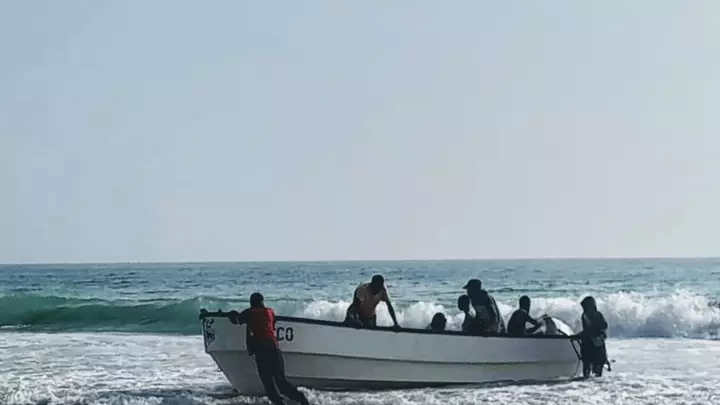
Mogadishu, Somalia – The fishing town of Bander Beyla, on Somalia’s Puntland coast, has become a focal point of the renewed piracy crisis. But beyond the hijackings and international security operations, residents are struggling to protect their livelihoods as fishing restrictions, arrests and surveillance reshape daily life. Abdifatah Mohamed has spent 20 years fishing off Somalia’s coast.
He began at 15, but says declining catches and foreign trawlers have made it increasingly difficult to support his family. Somalia’s central government collapsed in 1991, weakening maritime oversight and leaving its waters vulnerable to illegal fishing. Some fishermen, angered by foreign vessels exploiting the country’s resources, have turned to piracy.
He added, “Some from our community have taken up arms at sea, but deep down I know it’s hurting our community.” Piracy has surged off Somalia since late April 2026. The reported number of hijackings varies according to whether counts include commercial ships, fishing vessels and dhows. Several seized vessels have been held near Bander Beyla, bringing the crisis close to the town’s fishing community.
In late August, local authorities restricted fishermen from going to sea amid concerns that pirates were disguising themselves as fishermen. Even though our catches [of fish] have gone down in recent years, it helped provide for our families at home. But it’s like we were being punished for crimes we have nothing to do with, and our families have suffered for it.” For fishermen, Mohamed said, going to sea has become a risk whether they obey the restrictions or defy them.
It’s happened to a lot of men from this town.” Abdirizak Said, who has fished in Bander Beyla for 15 years, said the crackdown has deepened the hardship faced by residents. Jethro Norman, a senior researcher at the Danish Institute for International Studies (DIIS), said that piracy cannot be understood solely as a criminal activity at sea. It also depends on networks on land that can provide money, equipment, manpower and protection.
This is precisely why effective counter piracy requires understanding the land-based networks that make those operations possible,” Norman added. These networks also help explain why efforts to disrupt piracy reach into ordinary commercial life. Said noted that the consequences extend beyond fishing: boats carrying supplies from Yemen to Somalia have stopped arriving, for instance.
Extract — continue reading at the source.