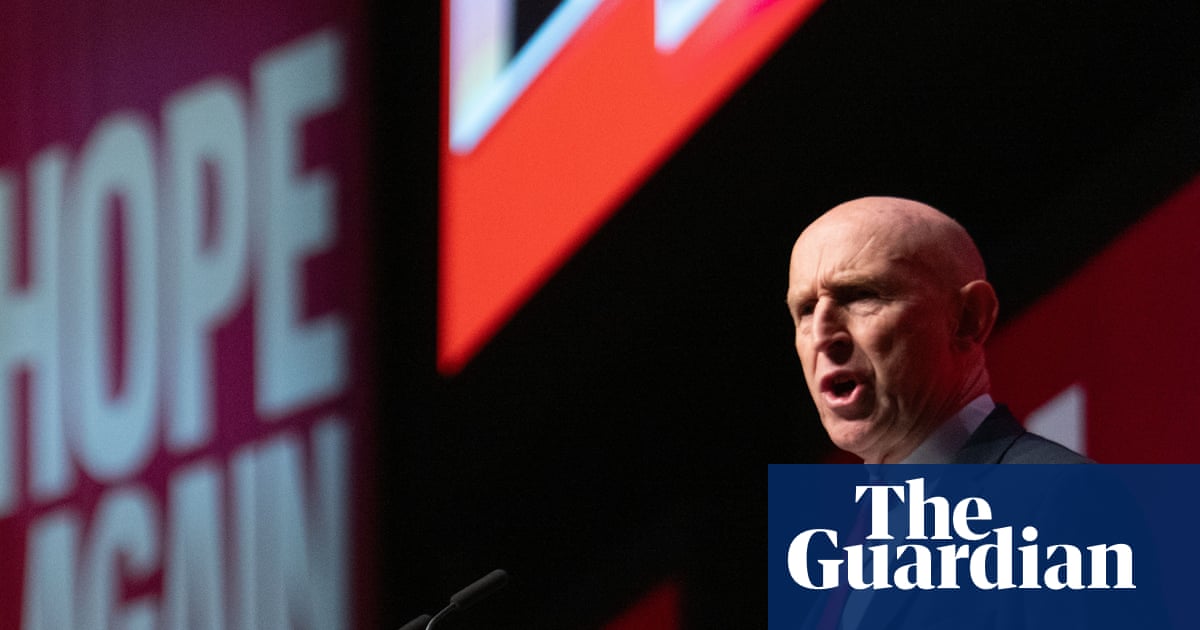
Senior Labour figures are privately voicing unease about John Healey’s approach to his crucial first budget this month, against the backdrop of volatile global markets and soaring energy costs. The chancellor’s work has been made significantly harder by the global bond sell-off, which continues to raise the cost of government borrowing, and ever increasing energy prices as Donald Trump continues the US war with Iran. The yield – in effect the interest rate – on 30-year UK government bonds hit 6% on Thursday for the first time since 1998.
Barclays raised some of its mortgage rates for the second time in a week, underlining the impact of these market moves on UK borrowers. The chancellor’s party conference speech, which centred on the theme of reindustrialisation, was warmly received by Labour members in Liverpool. But government insiders and other Labour figures cast doubt over the lack of detail about policy on investment and growth or any pitch-rolling for possible tax rises.
One senior Labour politician said: “I missed any real sense of growth and investment, which Rachel [Reeves, the former chancellor] often emphasised, despite her faults – when business leaders speak to me, that’s what they were waiting to hear, and we got nothing.” A Labour MP lamented the fact that on tax and spending Healey had gone little further than reiterating the fiscal rules. One senior Labour insider said they believed the chancellor was risking a fresh market shock on 28 October if he was not willing to be clearer about his approach to taxation, headroom and spending. Market moves since the spring are expected to have wiped out at least half of the £24bn “headroom”, or buffer, Reeves had built up against Labour’s fiscal rules.
Healey is believed to be minded to accept a slimmer margin, but he gave no indication of his likely approach in his speech, aside from repeatedly stressing the need for discipline. Rebuilding the headroom in full could require significant tax increases or spending cuts. Prof Arun Advani, the director of the centre for the analysis of taxation at the University of Warwick, said: “The chancellor didn’t give us a sense of how he’s thinking about these issues.
It was a speech where at the end of it we didn’t come away understanding more about the direction of policy, or what he wants to do with the Treasury.” There are concerns, too, about how Healey will tough out demands to say when the UK will spend 3% of GDP on defence – having resigned as defence secretary three months ago over the issue. Treasury sources stressed that Healey was intimately involved in some of Andy Burnham’s significant conference announcements, with 40 officials working at the department through the weekend on the details of the triple lock pension changes. They also pointed out that the chancellor opened the door to a renewed attempt to overhaul welfare for the young unemployed – a fraught issue for Labour – and stressed his determination to present an optimistic picture of the UK economy.
Healey’s team are committed to avoiding the rollercoaster of leaks that happened in the run-up to Reeves’s budgets, particularly last year. The Treasury team have initiated military-style “black boxes” – learned from Healey’s time in the Ministry of Defence – for different teams to work within to avoid accidental leaks. They also remain committed to what one called a “tightly focused” budget, though they concede that offering voters more “breathing space” on energy costs had become more urgent.
Extract — continue reading at the source.


