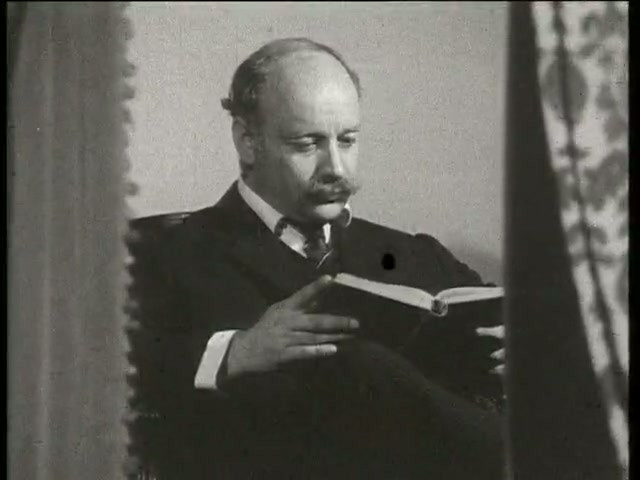
Based on a true story, the latest from Belgian director Michaël R. Roskam adds conspicuous flourishes but no real zip to a wartime film staged like a lackluster crime caper. In 1943, disgruntled anarchist and poet Marc Aubrion (Arieh Worthalter) is recruited by the Belgian Resistance, which publishes its own underground newspaper.
Marc’s brainwave is to reach outside the bubble of their already-captured readership by printing a fake edition of “Le Soir” — a once-venerable newspaper publishing Nazi propaganda under direct Gestapo supervision — to reach citizens the Resistance otherwise never would. A stolid two-plus hours directed with some surface frills by Michaël R. Roskam (“Bullhead,” “The Drop”), “Le Faux Soir” will appeal to elderly audiences hungry for low-impact prestige period fare with a reassuring message.
Looking like Jon Hamm in full “Mad Men” hangover mode, Worthalter draws on the surly, unceasingly confrontational energy he brought to 2023’s “The Goldman Case,” once again an outraged citizen revolting against an unjust state. Under the Gestapo’s occupying eye, Worthalter has limited his protest activities to writing scatalogically insulting poetry against them, then distributing it surreptitiously by tucking it into randomly pulled volumes from library stacks. His clumsily administered provocations draw the attention of a more organized Resistance coalition, who want to make use not of his poetry but his skills as a printer.
Marc’s idea of hijacking official media — not in service of organized theft but for a demonstration of the power of the press — kickstarts a familiarly structured heist drama. Admittedly, the emphasis on that power isn’t just metaphorical but quite literal, with the film indulging a novel fetishism of both the technical aspects of printing — with much focus on obtaining linotypes, montages of type being set, scenes of pages being brushed against blocks of type, and so on — as well as the administrative side of newspaper publishing, with extended discussion of the circulation, distribution and storage logistics of what’s effectively a one-off issue. Anyone who’s worked in print media may feel unexpectedly pandered to (or like their grave is being walked over).
This recurring emphasis on logistics, however gratifying it may be to a shrinking and specialized viewership, isn’t particularly riveting. As onscreen title cards count down the 22 days to the big operation, Roskam tries to add additional verve to the proceedings with zooms, tracking shots, the occasional rolling timpani of Christophe Chassol’s loudly deployed score (which sometimes cutely syncs up with blocks of type being hammered), and even a “Reservoir Dogs”-style shot of four men walking out of a building in slow motion. But at 133 minutes, the film is supremely attenuated, each hurdle registering less as an exciting kink in a heist gaining momentum and more as a series of problem-solving administrative meetings.
Admittedly, that’s a workable understanding of publishing, but it still doesn’t make for high drama, and the pace never quickens. The film’s belief that truth will convert people if only it can reach them (surprisingly akin to “Disclosure Day”) is meant to be comforting. Clearly, there’s a metaphorical suggestion from the past to draw upon: instead of staying within liberal echo chambers, journalists who value truth must think unorthodoxly about audience outreach and targeting to recapture the attention of a misled populace.
Extract — continue reading at the source.