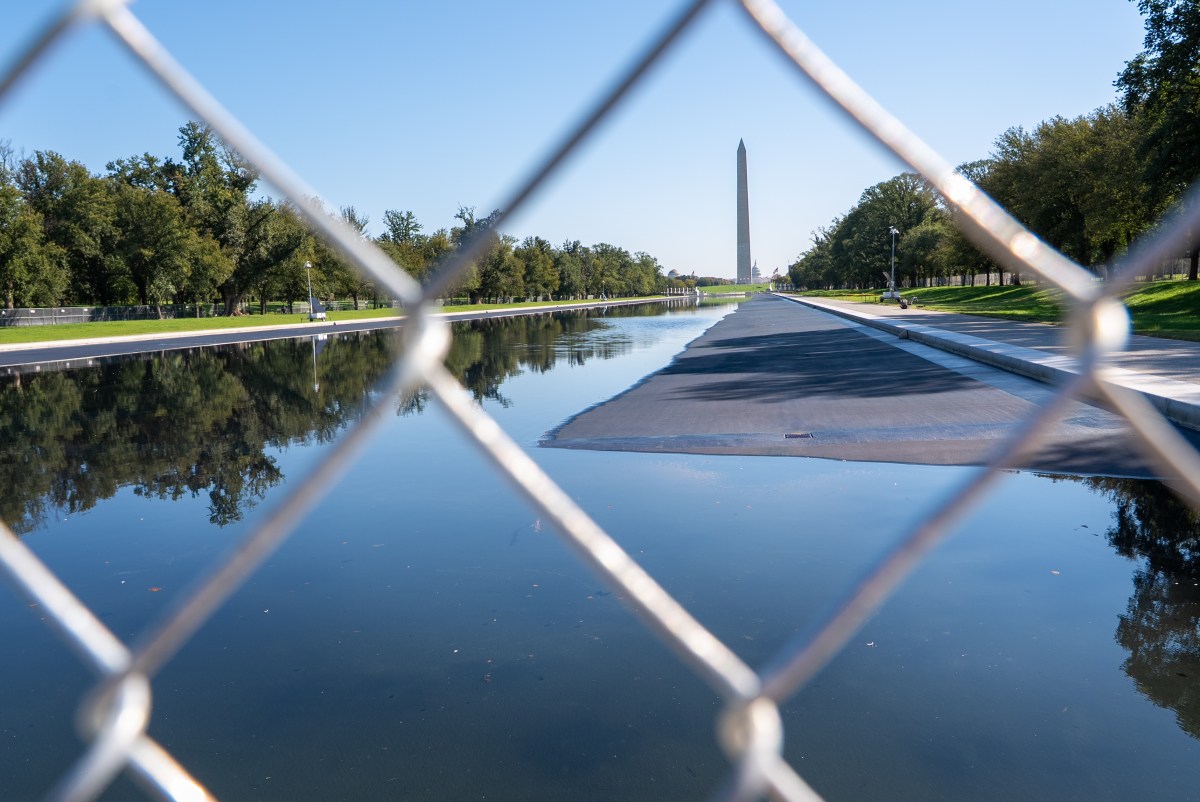
After months of construction setbacks, peeling blue coating, vandalism allegations and abandoned criminal charges, the Lincoln Memorial Reflecting Pool is filling with water again. Water began flowing back into the iconic Washington, D.C., landmark on Monday, with fencing still surrounding sections of the basin as crews completed final repairs and cosmetic work. The National Park Service said the water might temporarily appear cloudy during the normal refilling process before clearing.
The moment marks a tentative turning point for a project that President Donald Trump announced in April with an ambitious promise: restore one of the capital's most recognizable landmarks quickly and at a fraction of the cost associated with earlier work. Instead, the refurbishment grew into a multimillion-dollar undertaking. Its newly applied blue coating began peeling within weeks of the initial work being completed, algae discolored the water, and authorities accused people of deliberately damaging the pool.
Prosecutors later acknowledged that evidence pointed toward a rushed and flawed installation, rather than vandalism, as the explanation for the coating's failure. By the time the pool was drained for a second round of repairs, the original promise of a straightforward makeover had become a case study in how an accelerated public works project can unravel. Trump announces the refurbishment, presenting it as a comparatively inexpensive way to repair and improve the Reflecting Pool.
In a White House event on April 23, he said the project could be completed within two weeks for $1.5 million to $2 million. The administration awards a no-bid contract to Atlantic Industrial Coatings on April 3 for work on the basin's joints, waterproofing and new "American flag blue" coating. A second no-bid contract, worth approximately $1.7 million, goes to Greenwater Services on April 13 for a water purification system.
As the project progresses, the scope of work and costs grow. On May 7, Trump's motorcade drives across the drained pool as he visits the site to inspect the refurbishment. Meanwhile, preservation advocates challenge the changes in court.
The Cultural Landscape Foundation files a lawsuit seeking to halt the resurfacing, arguing that the administration had failed to comply with legal requirements governing alterations to historic landmarks. The administration announces that the initial coating work is complete and the pool begins filling with water. The reopening appears to signal that the refurbishment has been completed in time for the summer's America 250 celebrations.
Extract — continue reading at the source.