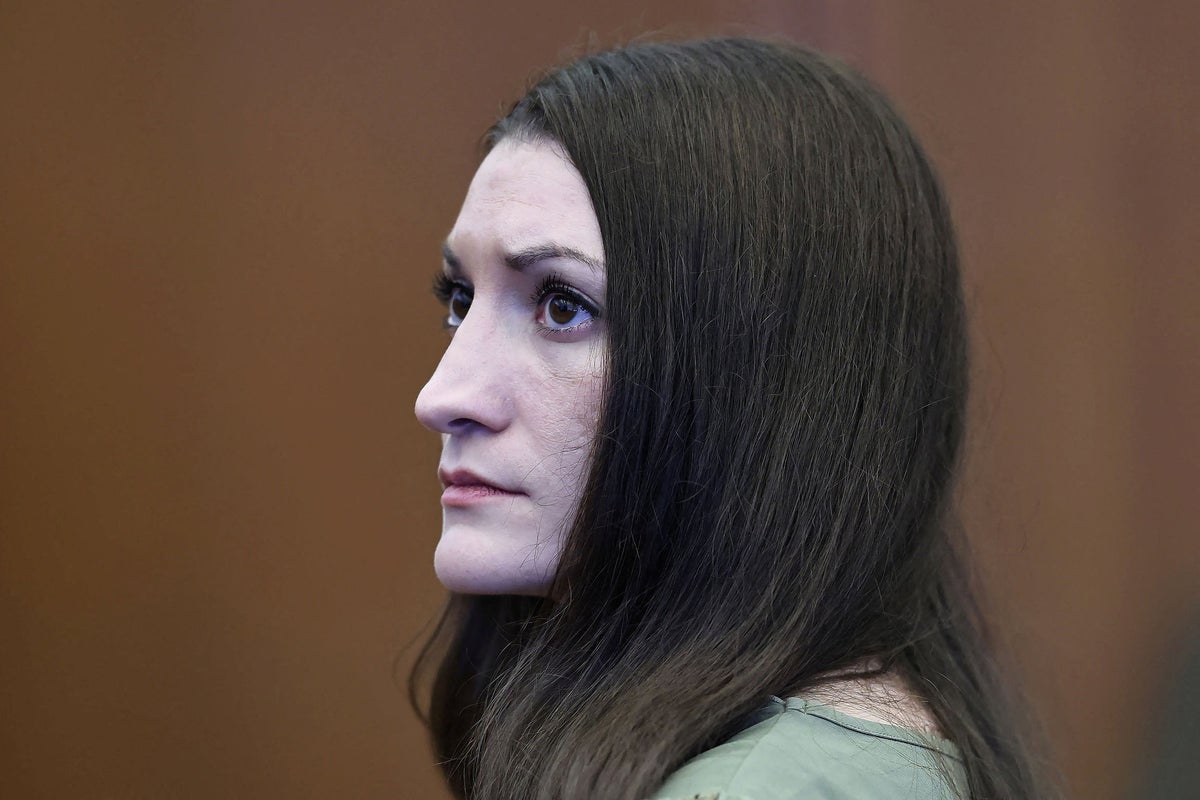
The Lindsay Clancy case has ended in mistrial but for the jury, it could be the start of the emotional fallout. The jurors listened to a gut-wrenching emergency call from Clancy's now ex-husband and reviewed gruesome autopsy photos of the three young children she strangled during the six-week murder trial. They then spent nearly seven days going over the traumatic evidence while deliberating.
After being dismissed on Friday, each Clancy juror was given a pamphlet containing a QR code to request counseling services as part of Massachusetts' juror counseling program. The Clancy trial is a high-profile test of a small but growing movement to address the psychological toll of jury service. Academic studies show that as many as half of all jurors experience trial stress, and states are examining programs in Massachusetts and Pennsylvania as models for providing mental health support.
Pamela Wood, who helped launch the Massachusetts program in 2022 when she was jury commissioner, described it as a psychological first-aid kit to help provide some immediate relief from the trial impact. During a trial, jurors are required to abstain from discussing the case with anyone or conducting their own research, which adds to the strain of jury service, Wood said. "When people experience something trying or troubling, people first say, 'Talk to someone and unburden yourself to family and friends and get it off your chest'," said Wood, who retired this year.
The current Massachusetts jury commissioner declined to comment. Clancy, 36, strangled her three children with exercise bands in January 2023 in the basement of their home in the Boston suburb of Duxbury. The judge declared a mistrial on Friday after the jury remained deadlocked.
The strain on the jurors had been clear for days. They had told the judge one juror acknowledged doubt but refused to apply it to the verdict. The judge repeatedly told them to keep trying to reach the required unanimous decision.
Marc Ocasio, 29, an accountant who lives in Philadelphia, was a juror in a June trial of a serial killer. He said he found it difficult listening to details of the victims’ lives and seeing their families crying in court. Ocasio said the counseling he received provided coping techniques, such as scheduling time for walks, which he said helped with his nightmares and social withdrawal that followed the trial.
Extract — continue reading at the source.