A Trump administration-driven rule change to the Endangered Species Act took effect earlier this week, prompting immediate pushback from lawmakers and animal advocacy organizations as concerns mount that it could harm endangered species, especially since many have recovered from endangered status because of ESA protections. President Richard Nixon signed the ESA into law in 1973. It is widely regarded as one of the most important tools for endangered species recovery in the United States, largely because of its recovery plans and critical habitat protections.
The Donald Trump-era change, finalized in July and taking effect on Monday, rescinds the definition of "harm" in the act. Before the change, the "harm" definition encompassed unintentional habitat impacts that could adversely affect an endangered species' breeding, feeding, or sheltering habits. With the definition rescinded, critics are concerned that a safeguard that previously protected endangered species' habitats from activities such as logging, new fisheries, or real estate is no longer in place.
The Department of Interior (DOI) and Department of Commerce said the change "will end years of federal overreach." On Thursday, the DOI told Newsweek that significant protections remain in place for endangered species and their habitats, despite the recent change. However, Oceana Vice President Beth Lowell stressed that "unintended" threats to endangered species are still detrimental. "Federally permitted activities that incidentally injure and kill endangered species currently need to take into account their unintended impacts on wildlife, including nesting beaches for sea turtles or North Atlantic mother and calf pairs as they swim to their feeding grounds.
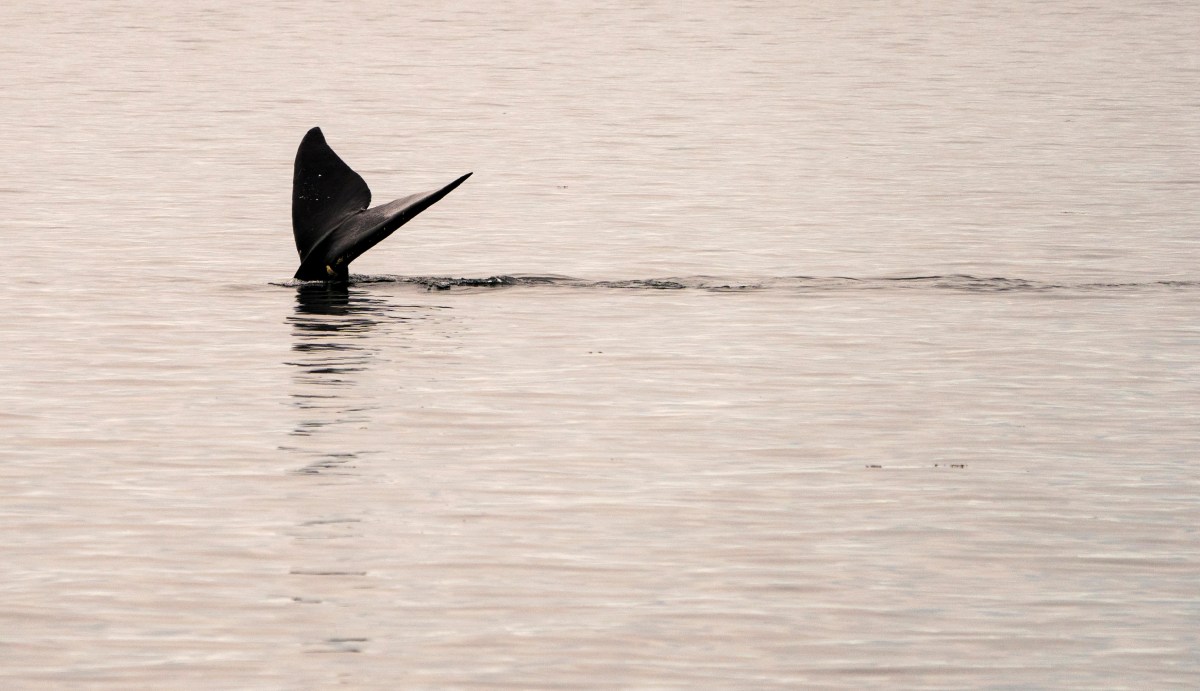
These changes upend the Endangered Species Act’s balance of economic activity and needed protections, pushing species to the brink of extinction.” Oceana Fisheries Campaign Director Gib Brogan told Newsweek that North Atlantic right whales are among the species he is most concerned about with the Trump change to the ESA. "There are 380 of them left in the world, and we count every death," Brogan said. "So, we need to be carefully managing anything that will harm or injure the whales." Several endangered species in the U.S. have recovered from their endangered status, in part because of protections under the ESA, including habitat protections.
These animal species include many birds, fish, mammals such as whales and wolves, and others, according to the U.S. Fish and Wildlife Service, such as: Brogan told Newsweek that although he doesn't believe the recent change will affect the outcome of the recovered species since they no longer fall under ESA protections, he is concerned about currently threatened and endangered species. For example, he said that for a federally permitted activity that has an impact on endangered species to be allowed before the "harm" change, it must go through an extensive review process, which could require efforts to minimize impact on the species.
However, Brogan is now concerned that since such harm would not be considered intentional under the rule change, developments could move forward without mitigation efforts, which would have "massive" impacts on species like turtles and whales. "Those are foreseeable interactions with those industries that need to be mitigated and minimized," he said. "This will be disastrous for those species." Although the changes went into effect on Monday, pushback is already underway.
Extract — continue reading at the source.