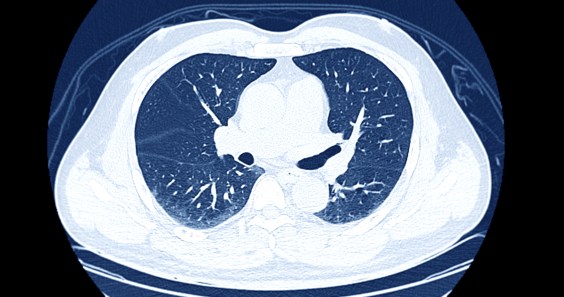
Fear of rogue agentic AI may have exploded over the past few months, but there are still some things their (hopefully) more benign predecessors can do to help humanity. For example, they can assist radiologists with interpreting medical images and developing new diagnostic tools. For example, a new study published in the journal Radiology used AI to uncover a link between bone mineral density and cognitive decline.
The multidisciplinary team, led by radiologists at Johns Hopkins University, used a deep-learning algorithm to calculate the bone density of vertebrae based on chest CT scans from more than 2,000 patients. They then focused their study on 715 members of this group who received brain MRIs in addition to cognitive testing. Read more: “Financial Struggle Can Age Your Brain” Not only did they find that those who had less bone mineral density in their spines demonstrated a steeper drop in cognitive ability, this cohort also had marked neurological differences.
Analysis of their brain MRIs showed more white matter hyperintensities—bright spots that can indicate damage—in those with reduced bone mineral density. According to the team, these bright spots accumulated in the corpus callosum, a region involved in executive functioning, working memory, and attention. Instead the two are likely both symptoms of underlying age-related problems.
Chest scans are non-invasive and performed on aging people all the time for a variety of issues. Armed with these new findings, doctors may be able to use them as an early warning system against age-related cognitive decline. So until the AI apocalypse is upon us, maybe we can maintain an uneasy alliance with our silicon assistants—in this case, for the greater good.
Subscribe to our free newsletter. Lead Image: Radiological Imaging /
Extract — continue reading at the source.

/https://tf-cmsv2-smithsonianmag-media.s3.amazonaws.com/filer_public/6f/61/6f6104c5-5a61-4d34-97e6-3dbac1a73fb8/original.jpeg)


/https://tf-cmsv2-smithsonianmag-media.s3.amazonaws.com/filer_public/7d/21/7d212fa5-0e5b-4fca-ba66-a35bf7afc9d2/sin_titulo.jpg)