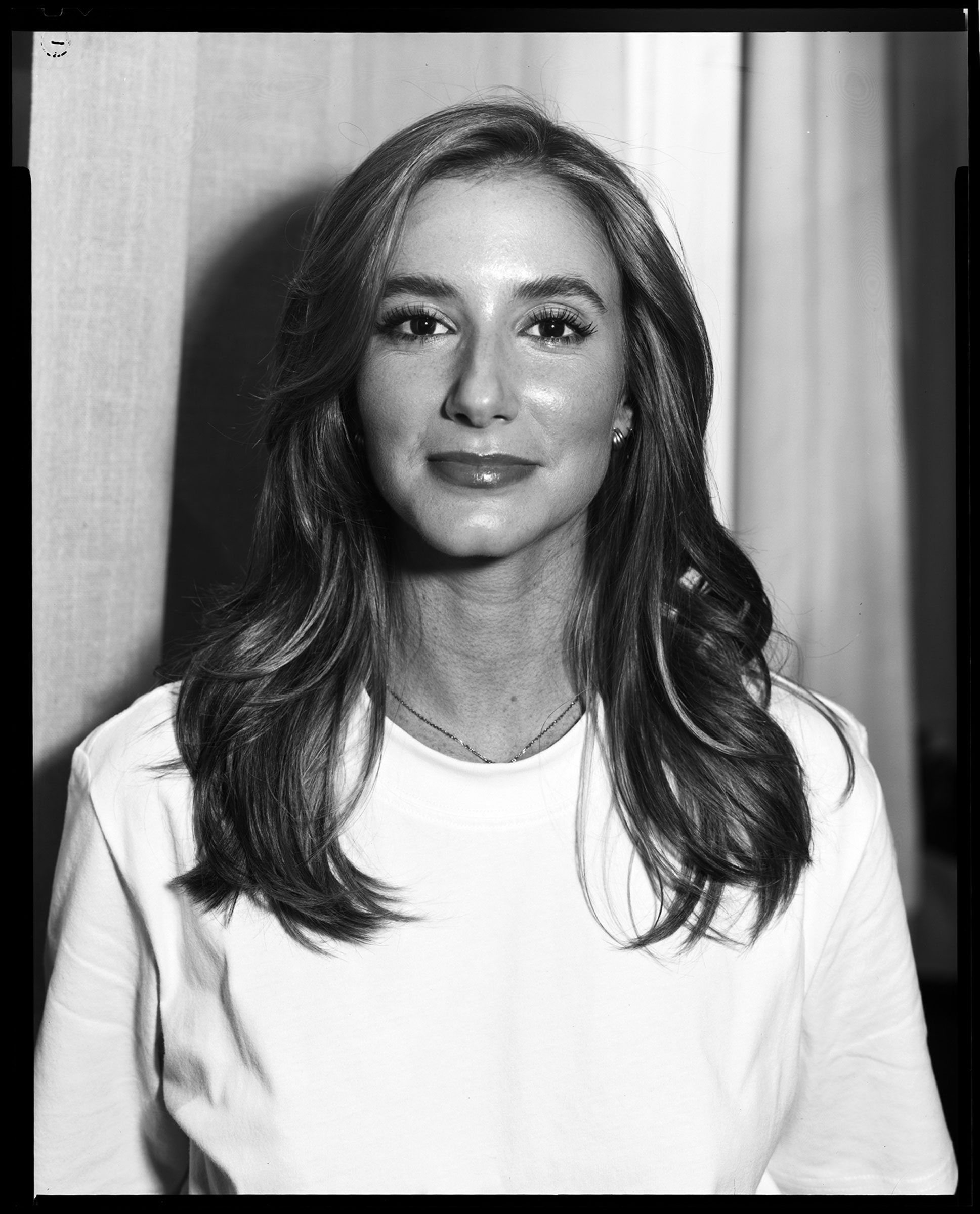
Luana Lopes Lara is inherently an optimist—perhaps because Brazilians, she says, have a more positive outlook than people from other countries. That trait has served her well as chief operating officer of Kalshi, the New York-based prediction market that has boomed in recent years as people take up placing money on everything from what words the President will use in his speeches to the price of a Costco hot dog. Lopes Lara put her optimism to work when the company decided to sue Kalshi’s regulator, the U.S.
Commodity Futures Trading Commission, arguing that the company should be allowed to list political event contracts. Kalshi won the case in September 2024, which allowed the platform to feature the 2024 elections, with users favoring Donald Trump over Kamala Harris when polls were forecasting an even race. Since then, the company’s valuation has grown to $22 billion, and in December 2025, Lopes Lara unseated 31-year-old Scale cofounder Lucy Guo to become the world’s youngest self-made woman billionaire at 29, according to Forbes.
Lopes Lara’s parents, a math teacher and an electrical engineer, pushed their two daughters to be financially independent, so they would never need to rely on partners for money. But her parents’ vision of success included going to a public university in Brazil and getting a job as a doctor, engineer, or lawyer, she says. She wanted more for herself: “I always wanted to do bigger things.” Lopes Lara was accepted into the Massachusetts Institute of Technology, Harvard, Yale, and Stanford while she was performing as a ballet dancer in Austria, having trained at the only official affiliate school of the Russian Bolshoi Theater outside of Moscow.
She chose MIT, she says, because people there seemed more passionate about what they were pursuing than students did at Harvard. It was at MIT that Lopes Lara got to know her Kalshi co-founder, Tarek Mansour, when he sat next to her in the first row in an algorithms class so he could learn from her, she says. These days, Mansour handles many public-facing tasks as CEO and Lopes Lara handles internal operations.
The role has forced her to unlearn some of the perfectionist tendencies she honed for so long as a ballerina, she says, where tilting your finger a centimeter in the wrong direction can ruin the aesthetics. So far, its federal regulator has remained steadfast in holding that Kalshi can legally operate. Lopes Lara says she believes Kalshi’s case will prevail—after all, it was a President Biden-appointed judge who first gave the company the green light to list elections, and it’s the Trump Administration that continues to support the company.
Many state attorneys general disagree, making her position, unquestionably, what an optimist might say.
Extract — continue reading at the source.