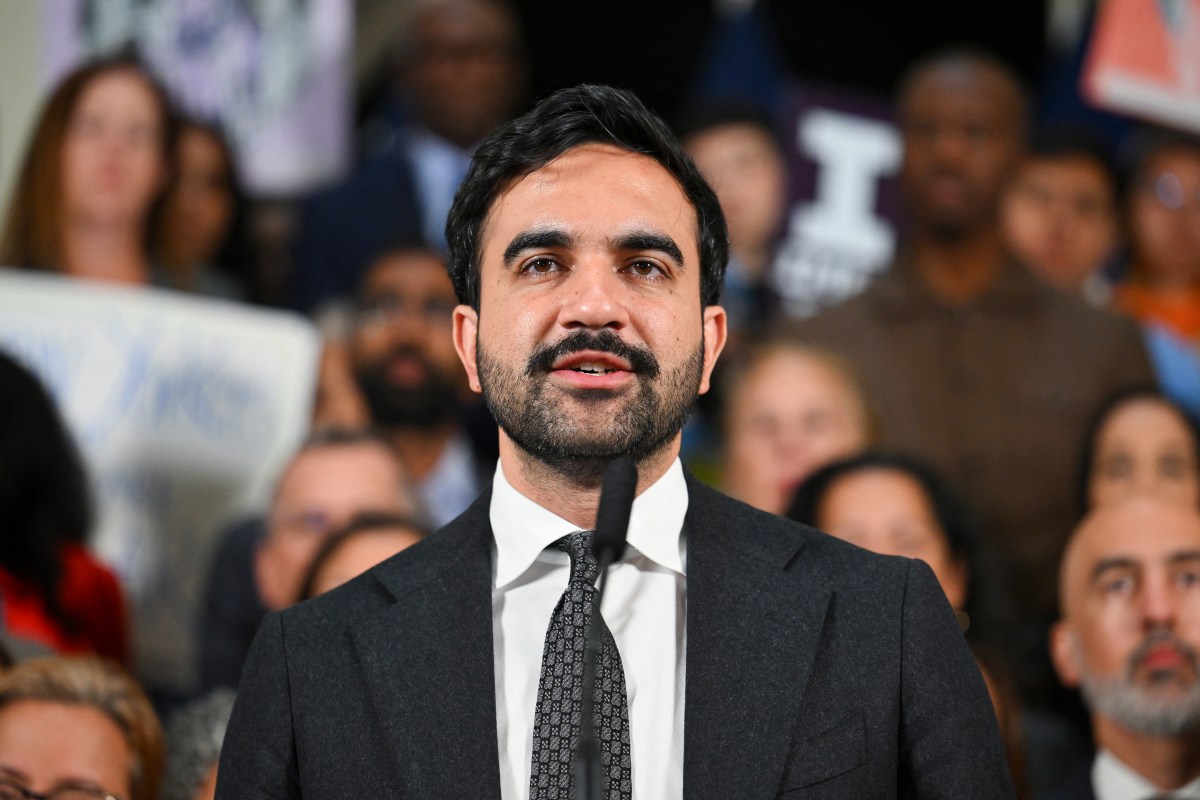
Mayor Zohran Mamdani has released a detailed strategy to fight antisemitism in New York City while leaving unsettled the question that followed him into office. What will his administration consider antisemitic when Israel and Zionism are involved? Mamdani's plan is substantial in the places where the answer is easy.
City Hall is putting $7.4 million into security and hate-prevention grants, expanding Jewish history education, helping institutions improve security and funding efforts to track and prevent hate. The mayor said the goal is to “confront the scourge of antisemitism now and in the future.” Considering the distrust between the mayor and parts of New York’s Jewish community and the fact that antisemitic hate crimes rose 9 percent through the first eight months of this year, according to the NYPD, the new plan is important. But what happens when alleged antisemitism comes wrapped in political speech about Israel or Zionism?
There is little ambiguity about a swastika on a synagogue or an assault on somebody because he is Jewish—those harder cases begin when consensus ends. The strategy explicitly declines to adopt a definition of antisemitism. There is an irony in announcing a campaign against antisemitism while declining to say precisely what that entails.
Mamdani has a political reason for resisting a firm definition. The argument over antisemitism has become inseparable from the argument over Israel. The International Holocaust Remembrance Alliance definition, adopted by Mamdani’s predecessor Eric Adams and revoked by Mamdani on his first day in office, includes Israel-related examples such as denying Jewish self-determination or holding Jews collectively responsible for Israel’s actions.
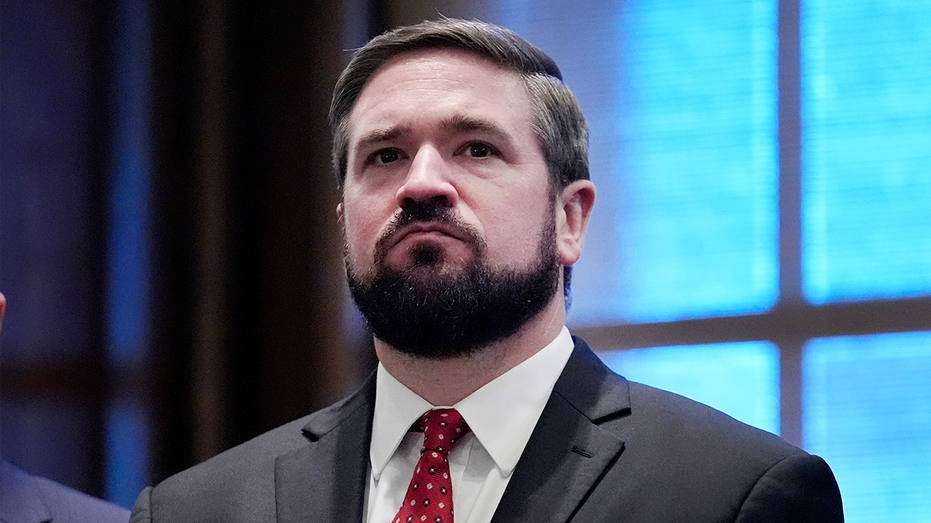
Mamdani has rejected that approach. The result is an administration promising an aggressive response to anti-Jewish hate while reserving for itself considerable discretion over what qualifies as anti-Jewish. Mamdani’s antisemitism chief, Phylisa Wisdom, has said City Hall prefers to make judgments case by case because context matters and Jewish communities themselves disagree over definitions.
She has also argued that government should not settle that debate. But if City Hall will decide case by case what counts as antisemitism while declining to say in advance what standard it is applying, how much clarity does the promise to fight it really provide? Perhaps, the idea is that giving government a sweeping definition of antisemitism risks turning a tool for fighting prejudice into a test of permissible political speech about Israel.
Extract — continue reading at the source.