North Carolina suspended its 41-cent-per-gallon motor-fuel tax on Saturday after Governor Josh Stein signed a bipartisan relief bill aimed at lowering pump prices. The decision lands as elevated fuel costs sharpen a national affordability debate and put pressure on elected officials weeks before the midterm elections. Drivers may ultimately pay less, although stations can wait until older, tax-paid inventory is sold before reflecting the change.
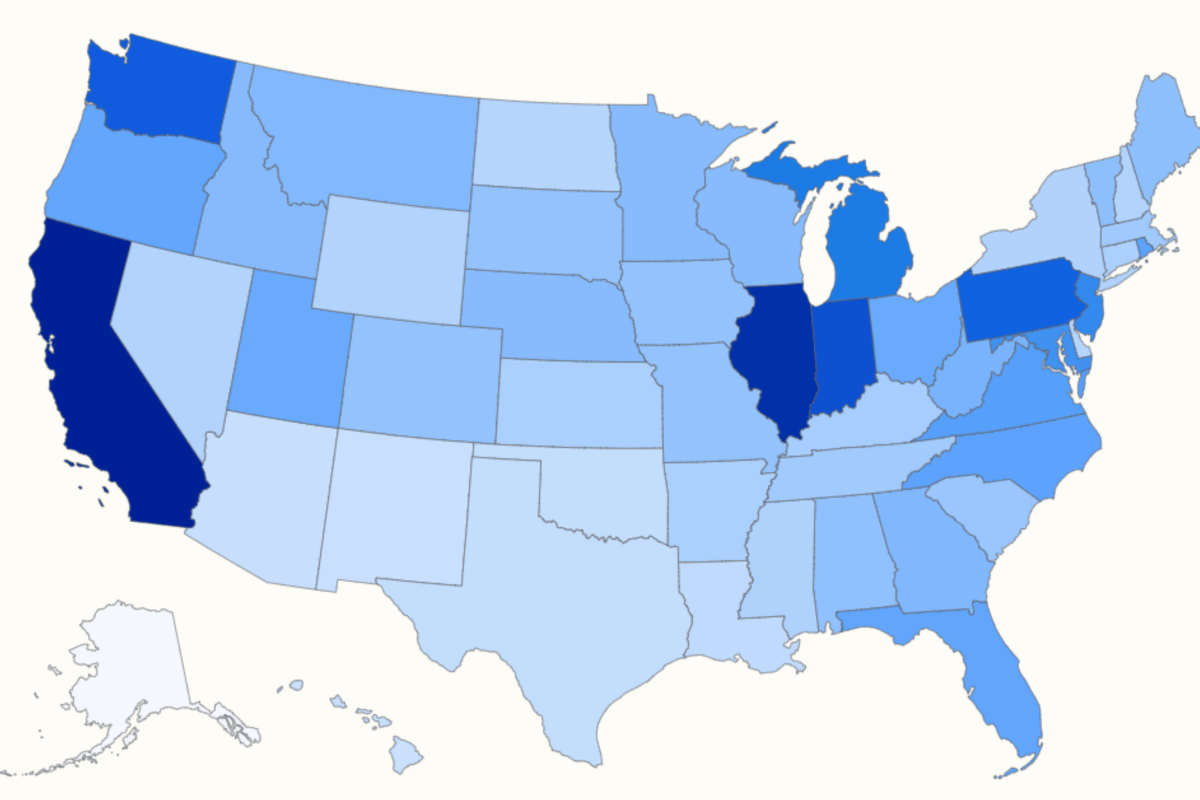
The legislation allows retailers to keep the tax in the price of fuel which it accrued before the suspension began. A Newsweek analysis uses AAA’s October 10 statewide averages as price context, and compares them with the state gasoline taxes and fees published by the Tax Foundation for 2026. For each state and Washington, D.C., Newsweek multiplied the published per-gallon state burden by 15 gallons to show the maximum theoretical saving on a typical fill-up.
AAA reported a national regular-gas average of $4.3669 at the time of writing. The figures assume the entire published state burden is suspended and passed on to customers. They exclude the federal gasoline tax and items omitted from the Tax Foundation totals, including certain local taxes, some gross-receipts taxes and the effects of environmental programs and regulations.
The results are therefore illustrative upper limits, not forecasts of future pump prices. North Carolina’s House Bill 3 turns one state’s response into a wider question: where would motorists stand to gain most if other legislatures temporarily removed their own gasoline levies? Newsweek's map answers that question by comparing the maximum savings available from the published state burdens.
Actual price movements may be smaller or slower, particularly while retailers sell fuel on which tax was already paid. North Carolina’s law sets the state motor-fuel excise tax at zero through the end of November. It also directs money from the Stabilization and Inflation Reserve to accounts that would otherwise receive the revenue, including the Highway Fund and Highway Trust Fund.
The legislation describes this funding as holding the funds that would otherwise receive motor-fuel tax revenue. That arrangement is expected to cost more than $350 million, according to WRAL News, while preserving the Department of Transportation’s budget. The state has roughly $11 billion in savings.For a motorist buying 15 gallons, eliminating a 41-cent levy creates a maximum theoretical reduction of $6.15.
Extract — continue reading at the source.