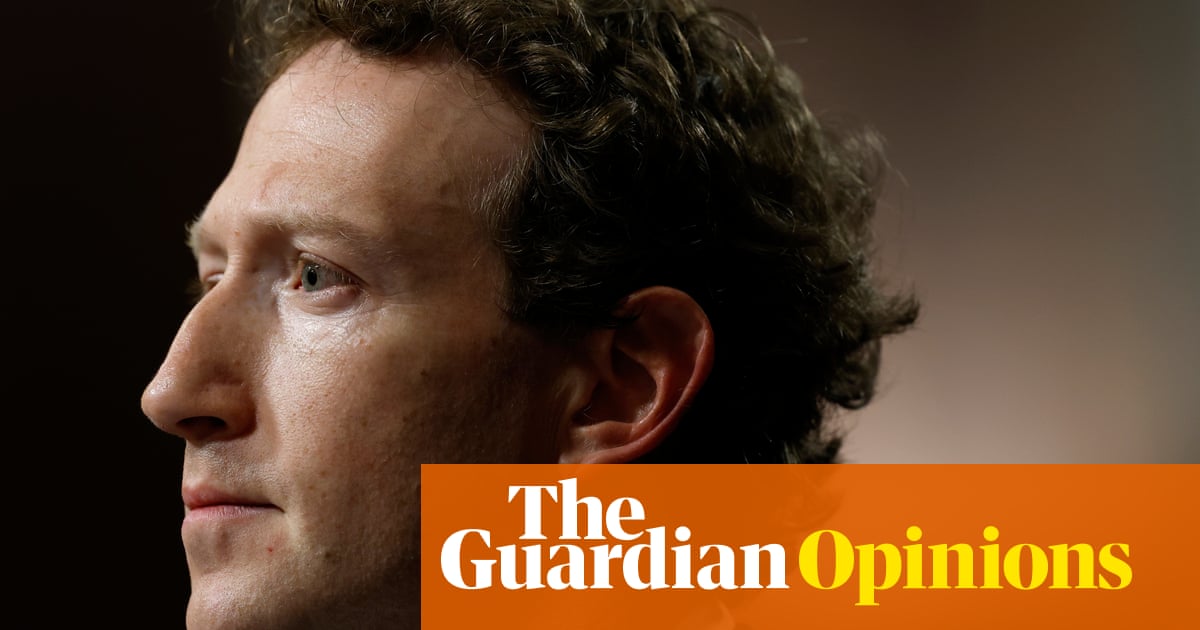
On Monday, Mark Zuckerberg published a 6,500-word essay, The Future Is for Everyone. The essay came with something even rarer: a new Meta open-weight model. An open-weight AI model is the kind of AI with which you download the entire thing, and it works on your own computer (with or without the internet) and nobody can switch it off except for you.
Almost every mainstream AI tool you use, whether it be Gemini, ChatGPT or Claude, is one you rent access to. Meta’s is one that you can download and actually own. I downloaded it before I finished the essay.
This major move by the world’s largest tech heavyweight comes amid a summer heavy with AI news, full of nations at war. Washington against Beijing; tech founder against tech founder. But beneath those conflicts is a deeper contest between two kinds of power: a government that can order technology offline in an instant, and a company that can simply close your account.
Neither is necessarily villainous. But the rest of us are not merely the audience in this fight; we are the prize. And the terms are already being written: intelligence on lease, a future we pay for but never quite own.
Before you sign a lease, you generally wonder three things. When I go, what goes with me? And if the landlord loses interest, who keeps the place standing?
Ask the same three questions of any technology that says it belongs to everyone. In 2009, Amazon reached into people’s Kindles overnight and deleted a book that everyone who bought it thought they owned. On 12 June of this year, the US government did the same thing to AI: three days after the American lab Anthropic launched its most capable model, an order from Washington forced it offline for everyone, everywhere.
Extract — continue reading at the source.


