New research from Binghamton University suggests that subtle changes in memory may begin much earlier than previously thought, with middle age emerging as a potentially important turning point. Researchers found a noticeable decline in memory accuracy between younger adults and people in their 50s, raising questions about when age-related memory changes really start and how they affect the brain. The study, published in the journal Cerebral Cortex, involved about 60 adults aged 18 to 74.
Researchers tested how well participants could remember specific connections between faces and objects or scenes while also tracking activity in the hippocampus, a brain region that plays a major role in memory. As part of the experiment, participants viewed faces paired with different objects or scenes. After a five-minute break, they took a memory test that required them to identify which object or scene had originally been matched with each face.
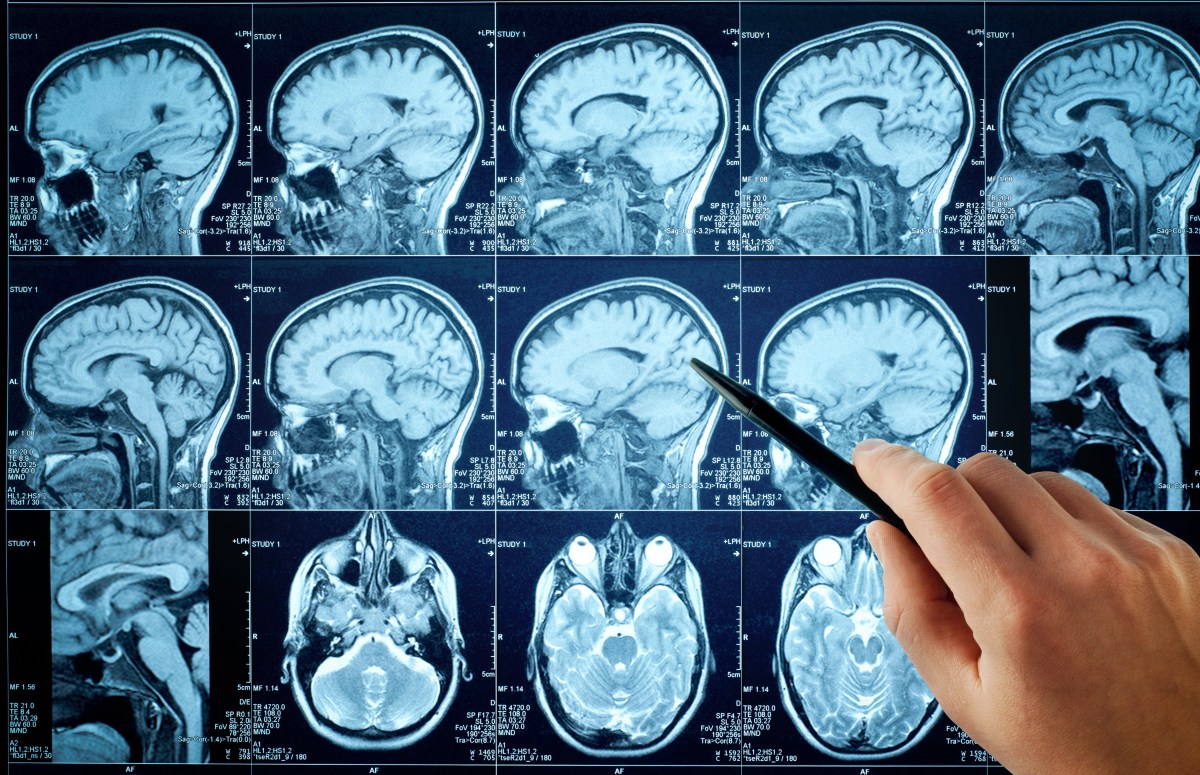
MRI scans measured activity in the hippocampus throughout the process. The researchers designed the experiment to mirror the normal stages of memory formation. First, the brain records a new memory.
The hippocampus then replays that information over a short period to help stabilize it. Later, the brain retrieves the memory when it is needed. The team wanted to understand how aging influences these stages.
Their results showed a clear performance difference between younger and midlife adults. The study also revealed the kinds of memory mistakes that become more common with age. Many middle-aged participants remembered seeing a face before but struggled to recall which object or scene had been paired with it.
The information felt familiar, but the exact link between the pieces was harder to retrieve. Researchers described this as an “I've seen something like this before” effect. According to McDonough, remembering the precise association becomes more difficult because many of the images seem familiar.
Extract — continue reading at the source.