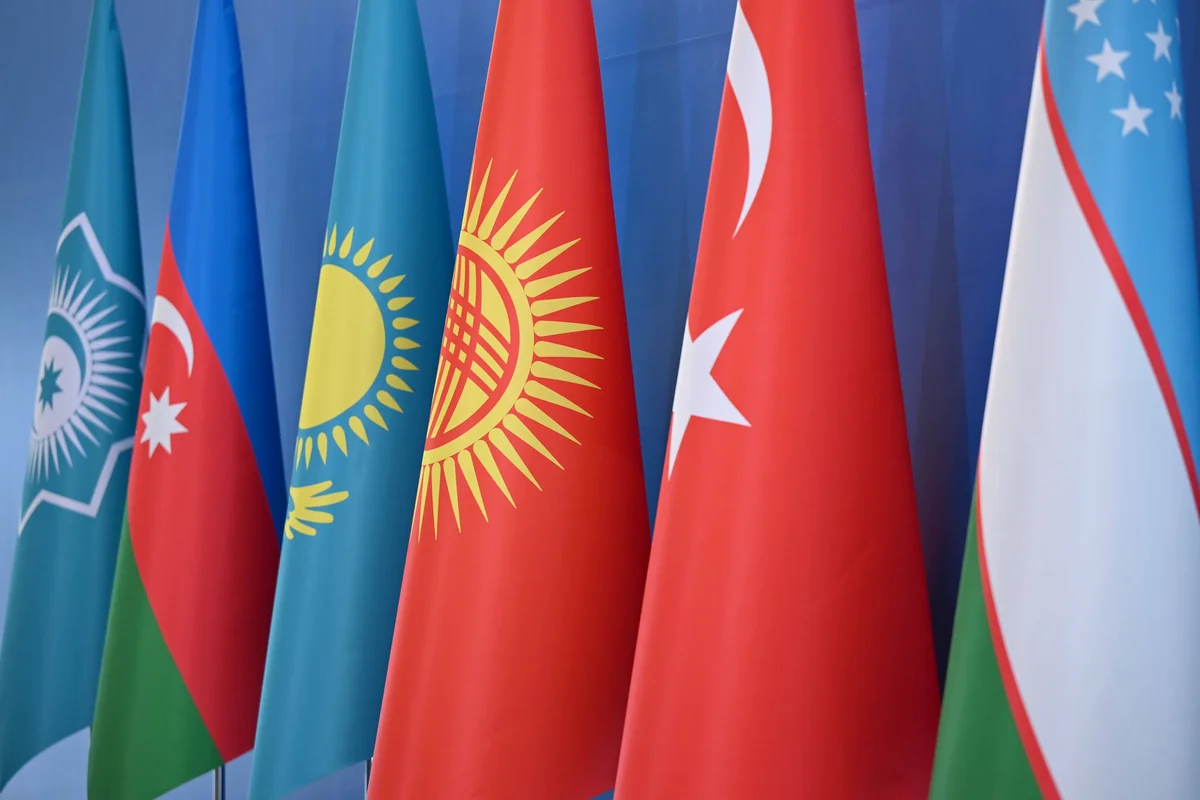
The expansion of the Middle Corridor is becoming increasingly important for the economic prospects of Central Asia and the South Caucasus. What was initially viewed mainly as an alternative transport route between Asia and Europe is gradually gaining wider economic importance, affecting financing conditions and the development of domestic financial markets. The corridor connects China with Europe through Central Asia, the Caspian Sea, Azerbaijan, Georgia and Türkiye.
Its growing importance is closely linked with the restructuring of regional trade flows since the outbreak of the Russia-Ukraine war in 2022. As businesses kook for routes that bypass Russia, countries along the Middle Corridor have gained an opportunity to increase their share of transit activity, trade, and related investments. Azerbaijan and Kazakhstan could use this advantage to push ahead with economic diversification and reduce dependence on hydrocarbons.
According to Moody’s, the non-oil sectors of both economies are showing steade growth, supported mainly by national banks and government diversification programmes. This combination has created a favorable environment for financial institutions, while also supporting lending to companies outside the traditional commodity sectors. The improvement in banking-sector performance is not simply a result of increased economic activity.
Tighter regulation, better credit quality, sustained profitability and liquidity reserves have strengthened banks’ ability to absorb shocks. These factors are important as the region is gaining an increasing role in cross-border trade and infrastructure investment, where financing requirements tend to be significant and projects often have long payback periods. Corporate conditions have also benefited from steady economic growth, government reforms and relatively good access to domestic financing.
Moody’s expects real GDP growth across much of Central Asia and the Caucasus to remain strong, with many economies continuing to expand at rates above 5 percent. Diversification and regional integration are expected to account for an increasing share of this growth, with the further development of the Middle Corridor becoming one of the more important factors. Inflation, however, remains a significant variable.
Moody’s expects inflation in 2026 to differ considerably across the region, ranging from about 4 percent in Tajikistan to more than 11 percent in Kazakhstan. Such differences will affect monetary policy, borrowing costs and the ability of banks and companies to obtain affordable long-term funding. Another notable development is the growing movement of economic activity and financing away from Russia toward other markets.
Extract — continue reading at the source.