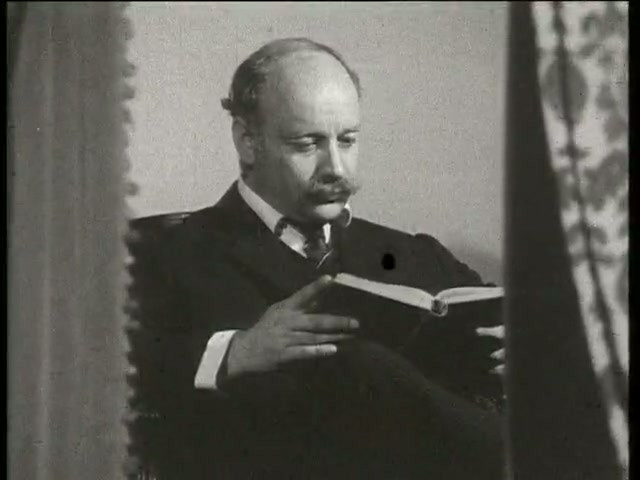
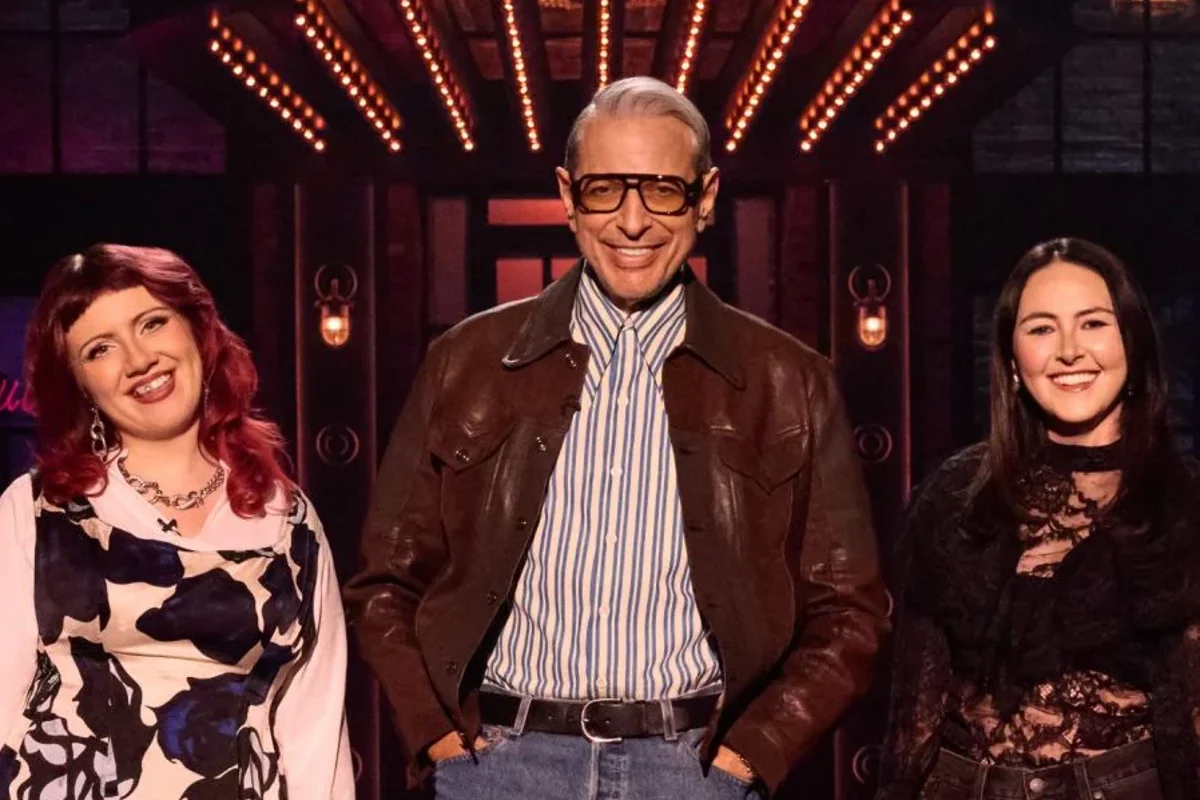
Every “Bad Lieutenant” film has had to answer the same question in its own way: what happens to a corrupt man when there’s no God left to save him? Abel Ferrara’s 1992 original built its entire moral architecture around Catholic guilt, climaxing with its lapsed-Catholic detective collapsed before a church altar, pleading for absolution from a God he’s convinced has turned away from him. When Werner Herzog picked up the mantle in 2009 with “Bad Lieutenant: Port of Call New Orleans,” he stripped that scaffolding out almost entirely, trading redemption for a more absurdist, karmic universe with no supreme being to answer to.
For Miike Takashi‘s “Bad Lieutenant: Tokyo,” which has its world premiere at the Toronto Film Festival, neither approach felt right. Rather than remove religion from the equation like Herzog did, or lean into it like Ferrara, Miike replaced it with a different framework entirely: the diffuse reverence for nature found in Japanese spirituality. It is something that we fear.” That framework, he says, shapes the slow corrosion of Lieutenant Yabuki (Oguri Shun), a detective hiding a drug addiction and gambling debts who partners with U.S.
FBI agent Gwen Birgssen (Lily James) while pursuing a killer tied to the Yakuza. Asked whether the film argues that effective policing sometimes means becoming part of the underworld it investigates, he agrees without hesitation. Miike says he sorts actors into two camps.
Miike points to a lesser-known chapter of the actor’s career as evidence of that restlessness: more than a decade split between film and the stage, performing Shakespeare. It’s probably actually quite obvious why he would want to do it.” Opposite Oguri is James, a casting mandate that predated his arrival on the project by way of co-financier and distributor Neon. On set, he found her personal demeanor at odds with the volatility of the role.
I think that I’m drawn to certain characters and protagonists in the script,” Miike says, describing an urge to push those outlaws past the limits imposed by convention and audience comfort. I think that impulse is what leads to these types of violent depictions.” He’s quick to note the instinct cuts both ways: “If we were to follow a protagonist who didn’t resort to violence for their expression of power, then I might make a very calm family drama.” Producer Sam Pressman, who inherited the “Bad Lieutenant” property from his late father, Edward R. Pressman, has described the franchise as an “anti-franchise franchise,” designed to hand each director total license over their own version of the character.
Miike says that freedom extended through every stage of his production. They were constantly checking to make sure that I was satisfied at each stage of the production, including the script writing, the acting on set, and even the editing process,” Miike says. Despite the international scale of “Bad Lieutenant: Tokyo,” made with Neon, Jeremy Thomas and Pressman, he still identifies with the leaner conditions of his early
Extract — continue reading at the source.