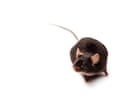
More than a million mice and nearly 47,000 rats are used in scientific research in Australia annually, according to the first ever nationwide count. Dr Malcolm France, a veterinarian who compiled the data, described the count, released today, as “an overdue first step” towards publishing national statistics for all animals used in research, including fish, rabbits, birds and monkeys. National statistics on the use of animals in research are important for establishing public trust and informing policy, he said, but unlike comparable countries Australia has historically lacked overall data.
The research, undertaken for the Australian and New Zealand Council for the Care of Animals in Research and Teaching, found 1,193,619 mice and 46,961 rats were used in scientific research, teaching and testing in 2024 (the most recent comparable year), although the total did not include animals that were bred for research purposes but not used. The pilot study focused on mice and rats in the first instance as they are widely used laboratory animals with clearly defined roles in biomedical research. Establishing a national figure required a range of approaches, including in one case a freedom of information request, France said.
Only three states – New South Wales, Victoria and Tasmania – consistently publish their animal use data, while other jurisdictions collect statistics without sharing them and some did neither. Bella Lear, the chief executive of Understanding Animal Research Oceania, said nationwide data is “absolutely vital” for Australia to be able to demonstrate the scope and capability of its research, alongside its animal welfare practices. Lear said mice are commonly used, particularly in biomedicine, because the mouse genome was one of the first to be sequenced.
The animals also breed quickly, enabling scientists to study subsequent generations. Rats are also routinely studied, in part because they were easy to train and keep. Dr Suzie Fowler, the chief science officer at the RSPCA Australia, said transparency and accountability were critical for establishing trust and understanding with the public and that included public reporting on animal use and welfare outcomes.
Mice and rats are social and intelligent animals, she said, and enjoy a variety and activities like exploring and building nests. While some behavioural preferences could be provided for in a research environment – such as nesting material for mice, or more social interaction for rats – some practices and procedures could significantly affect their ability to have a good life and could negatively impact their welfare, she said. Paula Wallace, director of the Liberty Foundation – which earlier this year opened Australia’s first adoption centre specialising in small research animals – said statistics would assist organisations like hers in identifying how many animals might be suitable for rehoming.
Extract — continue reading at the source.


