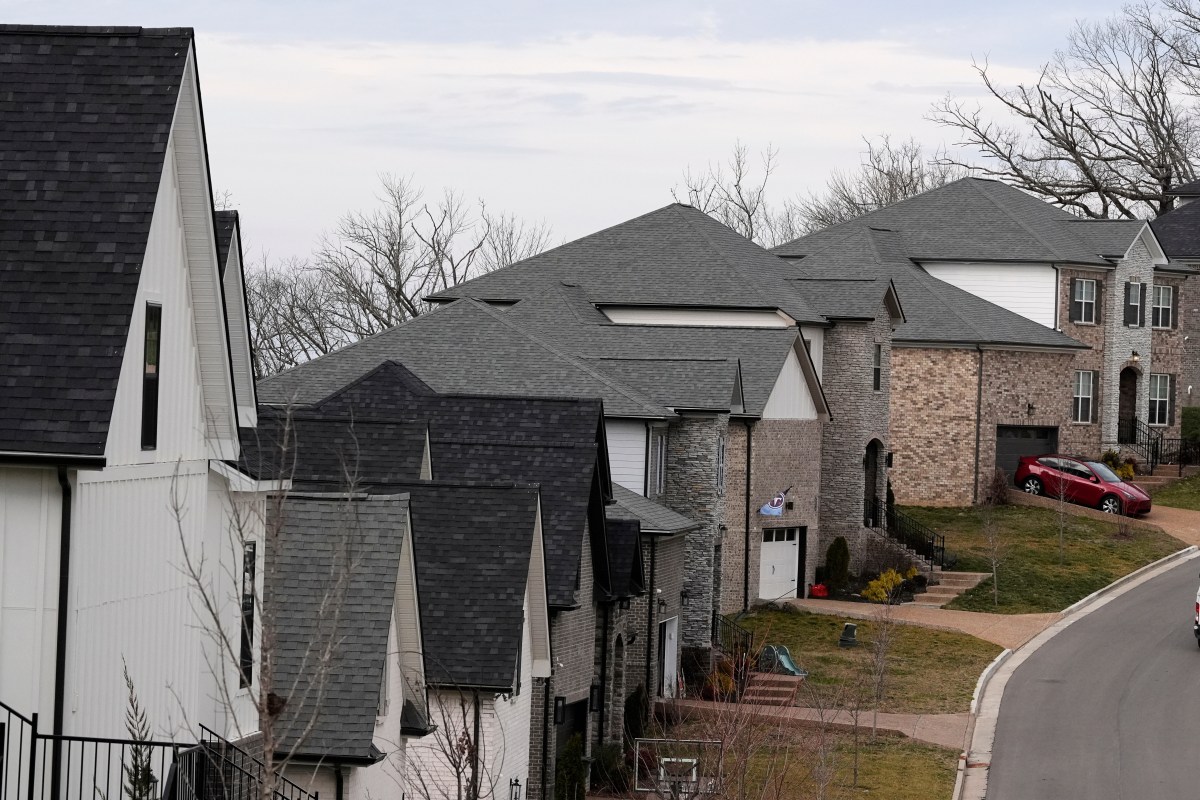
Mortgage rates climbed to their highest level since July 2025 this week following the resumption of hostilities between the United States and Iran, compounding housing affordability pressures and marking a sluggish end to the summer market. According to Freddie Mac, the average for a benchmark 30-year fixed home loan rose to 6.71 percent for the week ending September 3. The increase reverses projections from late 2025, when analysts anticipated that rates would moderate to 6 percent by the end of 2026.
The upward pressure deals a blow to President Donald Trump, who repeatedly criticized former Federal Reserve chair Jerome Powell about key borrowing costs and pledged to restore housing affordability. Rates had briefly dipped below the 6 percent threshold in late February—with the 30-year fixed mortgage rate averaging 5.98 percent for the week ending February 25—for the first time since September 2022. However, the onset of the conflict with Iran on February 28 upended global markets and reversed the downward trend.
This dynamic has largely immobilized the housing market, as owners with low legacy rates opt to stay put rather than forfeit favorable terms. By contrast, owners holding adjustable-rate mortgages (ARMs)—which feature rates that adjust periodically following an initial fixed term—face heightened exposure as their terms reset against higher benchmark rates. First-time and prospective homebuyers bear the heaviest burden from elevated borrowing costs.
The country is still significantly underbuilt, and that shortage of available homes should continue to support housing demand and help preserve home values over time.” He continued: “That does not mean buyers should expect another period of rapid, pandemic-era appreciation. But if you find a home that fits your needs and budget, you’re investing in an asset that can preserve value and build equity over time. And at the end of the day, it’s also the place you call home.” Amid rising rates, listing prices have softened, offering some leverage to active buyers.
Realtor.com data shows the national median list price fell to $424,500 in August, down 1 percent from July and 1.3 percent year-over-year. While August marked the 10th consecutive month of annual price declines, the rate of decrease slowed compared to July’s 2.4 percent drop. Meanwhile, 20.4 percent of active listings featured price reductions, up 0.4 percentage points from the previous month.
After new chairman Kevin Warsh said the policy rate remains the central bank's primary tool to bring inflation back down during a speech in Jackson Hole in Wyoming last week, nearly 57 percent of traders were betting on a rate hike at the bank’s September meeting. If the conflict continues to escalate or further disrupts the flow of oil, Treasury yields and mortgage rates could face additional upward pressure.” But if inflation is not “tamed, the pain will be real,” Xu said. That’s a squeeze on housing from both sides: what people can afford, and what they’re willing to buy into." Contact Newsweek editors for this story: Matthew Robinson and Anthony Murray.
Extract — continue reading at the source.