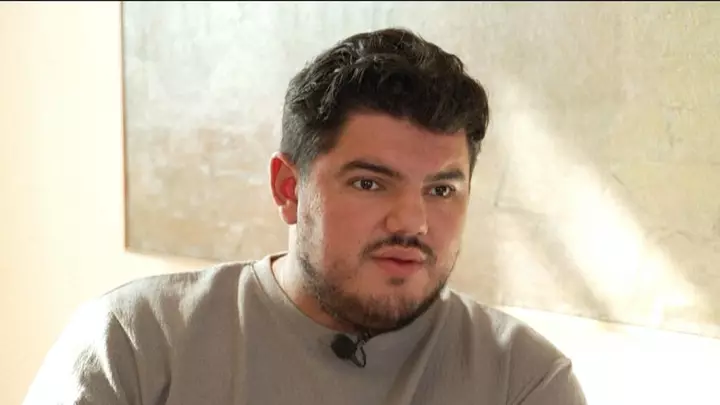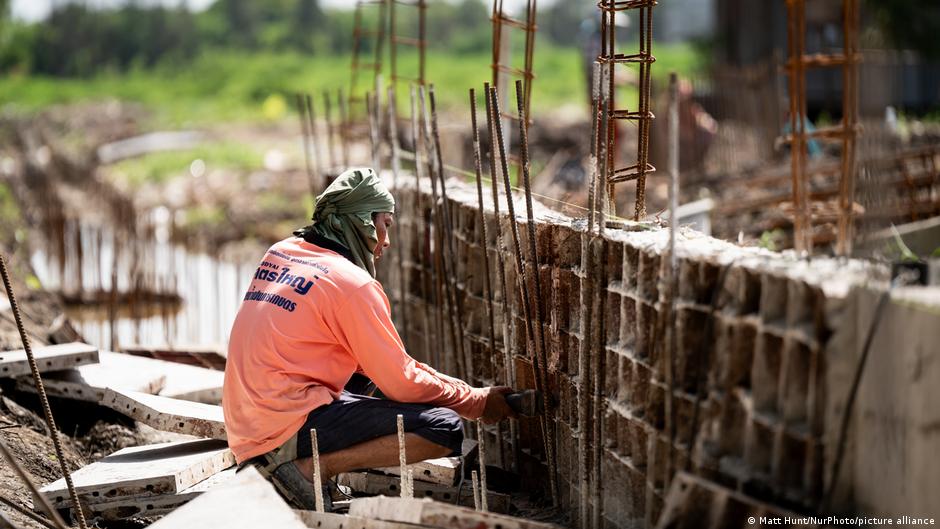
At a glance, Ray Boe doesn't stand out from the tens of thousands of other foreign workers toiling at countless construction sites that push Bangkok's soaring skyline ever higher. Unlike most of them, though, the 31-year-old came to Thailand's capital from one of the country's nine camps for refugees who have fled decades of civil strife inMyanmar. The camps, which hug the Thai-Myanmar border, are home to more than 100,000 people — in some cases since the 1980s, when the refugees first started arriving.
Until a year ago this month, the Thai government had refused to let them leave the camps to find work, forcing most to live hand-to-mouth on foreign donor aid. That changed in October 2025, after foreign aid cutbacks — mostly by the United States — forced the camps to slash the food support and healthcare they could provide. To view this video please enable JavaScript, and consider upgrading to a web browser that supports HTML5 video Around the same time, fighting between Thailand and Cambodia over territorial claims had sent hundreds of thousands of migrant workers from Cambodia back home, leaving behind a yawning labor gap.
To cope with the aid cuts and labor deficit, the Thai government reversed decades of policy and began issuing the refugees permits to work outside the camps, to help them meet their own needs. Ray Boe is one of the 6,800 camp refugees the government said have entered the Thai labor force in the first year of the program. "After the cuts by USAID and other organizations, there is no more regular support for our daily needs, like rice and other rations.
And there is not enough healthcare in the camps anymore," he said. The cuts forced him and his parents to borrow from neighbors and to pare down their already modest meals. Since last month, he has earned 400 baht (about $12) a day pouring concrete and erecting scaffolding around what's to be a 12-story apartment building in central Bangkok.
He hopes to start sending money home soon. "It will help us pay for food and other basic needs, and for health are for my parents," Ray Boe said. "Compared to how we were living in the camp before, it will be a big difference, having my own income and supporting my family on my own, not having to wait for other people to support us day to day," he told DW.
The program allows the refugees to work in 43 of Thailand's 76 provinces and in any sector not reserved by law for Thai citizens only. The Ministry of Foreign Affairs said the government has improved the vocational training on offer inside the camps to better prepare refugees for work outside. "We are hopeful that this policy would enhance opportunities and empower the [refugees] to realize their potential, as well as contribute to Thai socioeconomic development," said Praporn Waenluang, a spokesman for the ministry's information department.
Extract — continue reading at the source.