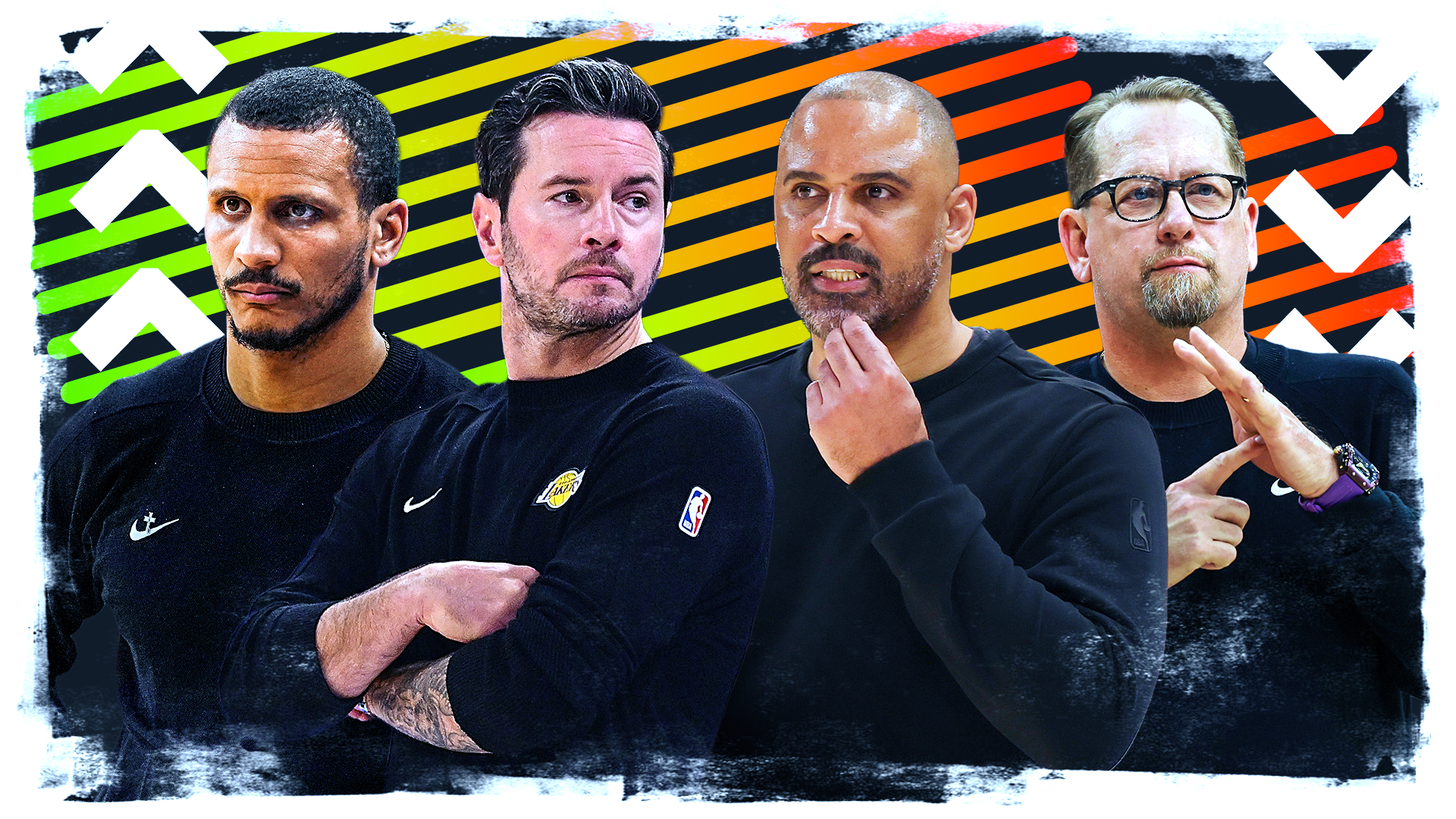
There is no harder group to evaluate in professional basketball than the coaches. It's a dozen tied together by a title. You're a strategist and a therapist and a human resources manager and a public relations official and a split-second decision-maker all rolled into one, and you almost never get credit for it because most of the job is invisible.
For players, the whole job is on display. For coaches, most of it is getting those players ready and keeping them engaged behind closed doors. As I point out every year, any attempt to rank them is at best an incomplete endeavor and at worst, closer to a futile one.
They're all juggling hundreds of decisions we don't get to see, yet we judge them on the few that we do. They're all working with different resources, and they're all kept on increasingly short leashes. We didn't quite reach the heights of stunning coaching turnover we saw in 2024 and 2025, but in fairness, that's because most of the accomplished coaches had already been fired.
Erik Spoelstra and Steve Kerr are the only remaining coaches in the NBA hired before the start of this decade. Only eight sitting head coaches have held their posts for the last four full seasons. The coach is almost always the fall guy when things go wrong.
Every coach is either on the hot seat or a bad year away from getting there. It may not be totally fair for us to judge coaching performance, but it's not as though teams tend to judge coaches fairly either. So what can we judge when it comes to coaches?
These are the traits that come to mind: There is no set rubric here. There are, however, a few traits I'm choosing to emphasize this year. The first is playoff performance.
Extract — continue reading at the source.