This article discusses all seven episodes of Netflix's East of Eden. When John Steinbeck published East of Eden, a top contender for Great American Novel, in 1952, the response to its primary female character, Cathy Ames, was effectively unanimous. Whether they admired or deplored Steinbeck’s portrayal of her, midcentury critics judged Cathy to be pure evil, a veritable Satan in stockings.
Male reviewers, which is to say just about all reviewers, disagreed only on the magnitude of her repugnance; while this publication deemed her a “vicious slut,” the New York Times crowned her the “most vicious female in literature.” And why not? She drives a man to suicide and kills her parents while still a teen. She sleeps with her new husband’s brother, gives birth to twins, and promptly abandons them, gravely injuring her shocked spouse as she escapes.
Then she ensconces herself at a brothel, kisses up to the madam, fatally poisons the lonely woman once she has willed Cathy her fortune. Her career from there on out is a blur of sadomasochism, blackmail, exploitation, and violence. It’s hard to imagine a character with this rap sheet as anything short of a psychopath.
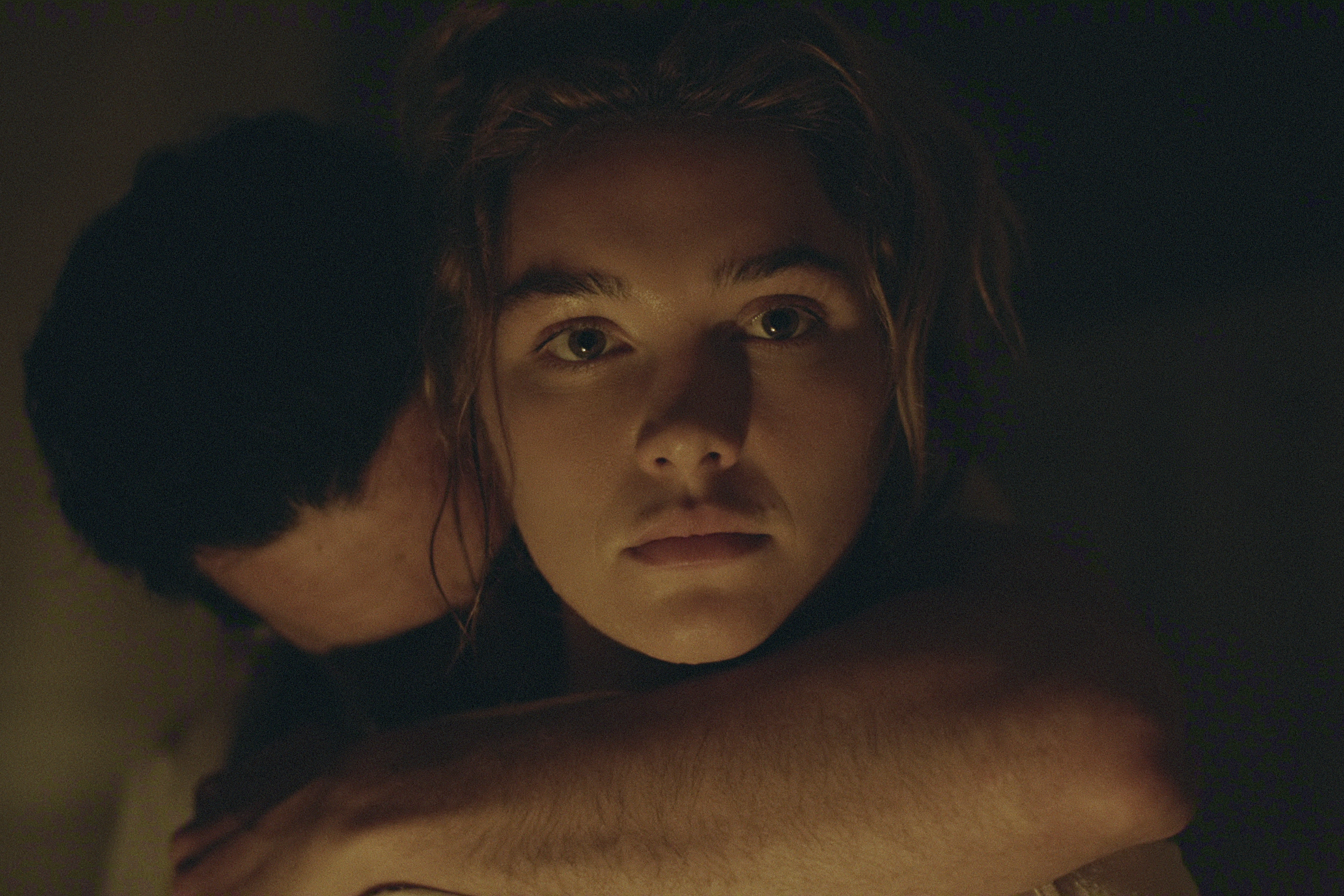
But here’s a thought experiment, one I often found myself running as I read the great novel and watched Zoe Kazan’s insightful Netflix adaptation: What if Cathy, born into the prison of 19th century womanhood, had behaved less viciously in any of the above situations? She might’ve prevented an adult man’s suicide—but only by becoming his child bride. She didn’t have to murder her parents—but if she hadn’t, her father would have kept beating her at the slightest provocation.
She could have fled from her husband-to-be before the marriage, the infidelity, the pregnancy, the gunshot—but she would have been a wounded and destitute and potentially wanted woman, with nowhere to go and doom all but certain. In other words: Cathy might not have acted much differently if, instead of personifying evil, she were chasing freedom at any cost. Kazan’s seven-episode series proceeds as if this were the case.
It’s a feminist project, in that it takes for granted that a character who happens to be a woman should be given the same humanity as one who happens to be a man. And despite its allegorical nature, with two generations of brothers reenacting the tragedy of Cain and Abel, East of Eden is a book that grants even minor characters unique personalities and preoccupations, good qualities and bad. By now, we’re used to seeing female villains like Cruella de Vil and Nurse Ratched glibly issued trauma-plot backstories and wardrobes that slay and rebranded as meme-worthy badass antiheroes.
Extract — continue reading at the source.