If you buy through our links, we may earn an affiliate commission. This supports our mission to get more people active and outside.Learn about Outside Online's affiliate link policy The Nike Alphafly is the flagship marathon super shoe from the company that invented the super shoe—and arguably the most iconic racing shoe ever made. It was on the feet of Eliud Kipchoge in 2019 when he became the first human to break two hours in the marathon, and again in 2022 when he ran his 2:01:09 official world record.
It stood atop the podium in Chicago in 2023 when Kelvin Kiptum broke Kipchoge’s record, and again in 2024 when Ruth Chepngetich ran 2:09:56 to break the women’s world record. Over the past six years and three iterations, the Alphafly has consistently carried elites and competitive runners to course records, podium finishes, and PRs. But despite this consistent success, the Alphafly has struggled to maintain a consistent ride and reliable feel.
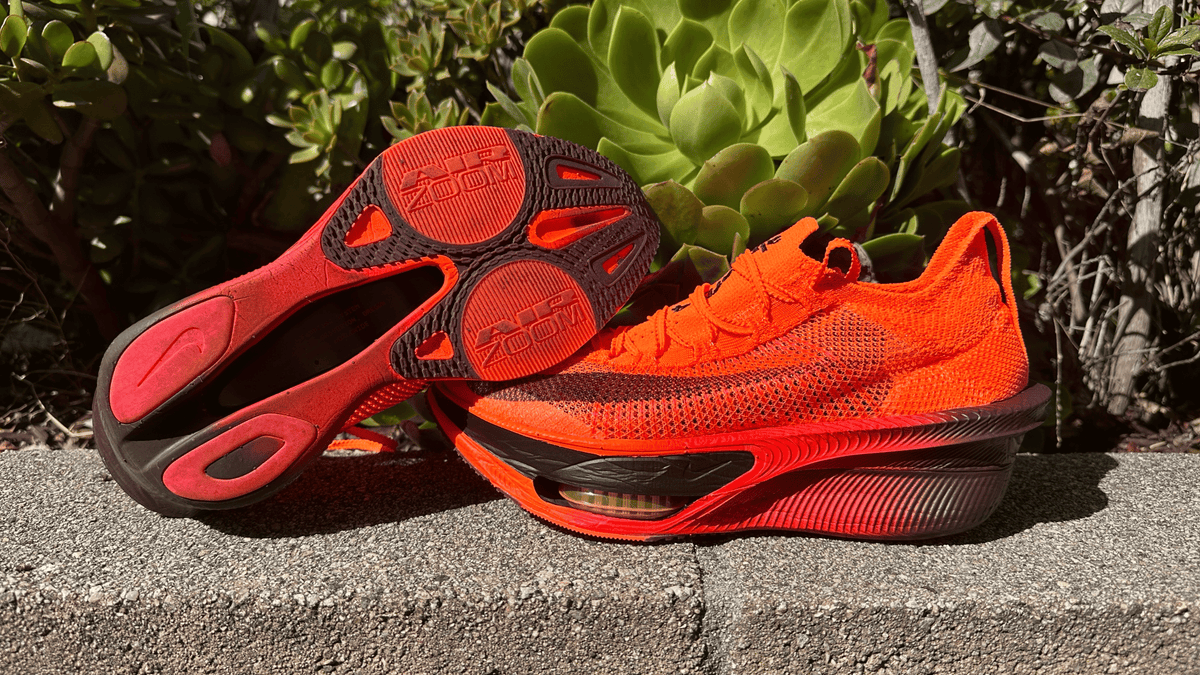
The original was incredibly bouncy but extremely unstable. The Alphafly 2 fixed the stability issue, but many found it lost its bounce. The Alphafly 3 introduced a continuous sole and repositioned the Air Zoom units, bringing back the bounce in a lighter overall package.
As a competitive masters athlete and full-time running coach, I have a few trusted super shoes I personally race in and recommend to my clients. The Nike Alphafly 3 is one of them; the Alphafly 2 was not. So when I heard rumors of the Alphafly 4 launch, I got anxious about what Nike would change and whether it would be a step back for the stellar shoe.
I’ve now had the chance to run in the Nike Alphafly 4 to confirm or allay my fears. Weight: 6.6 oz (men’s 8.5; women’s 10) Stack Height: 39-31 mm Heel-to-toe Drop: 8 mm + Softer, more cushioned ride, especially in the forefoot + Air Zoom units are easier to engage at slower paces + Roomier, more comfortable upper that’s easier to put on – Less snap than the Alphafly 3 at faster paces When I first saw the Alphafly 4, it was comforting to see how similar it looked to the Alphafly 3. However, despite the similar looks, I learned that every component of the shoe, from the upper to the outsole, has been updated.
Bret Schoolmeester, Nike’s vice president of running footwear product management, said it was the biggest improvement in Alphafly history. The biggest change came in the way the Air Zoom units are sealed. The Alphafly 3 used heat to seal the Air Zoom units, whereas the Alphafly 4 uses radio frequency, which creates thinner, cleaner seams and, according to Nike, made the Air Zoom units 30 percent lighter and softer.
Extract — continue reading at the source.