It’s the rallying cry that strikes at the core of my identity. The same anti-fascist slogan heard by my Spanish grandmother, who endured the horrors of that country’s civil war, echoed in London where my Jewish paternal grandparents lived. Ninety years ago, it was this cry that united tens of thousands of East Enders, who stood tall against Oswald Mosley’s Blackshirts at the battle of Cable Street.
In 1936, disparate communities came together to block the far right from marching – Jewish residents, Irish dockers, Somali seamen, trade unionists, independent socialists and communists alike. These groups were not uniform in identity, background or belief. Their solidarity was the expression of a tolerant Britishness, where neighbours look out for one another.
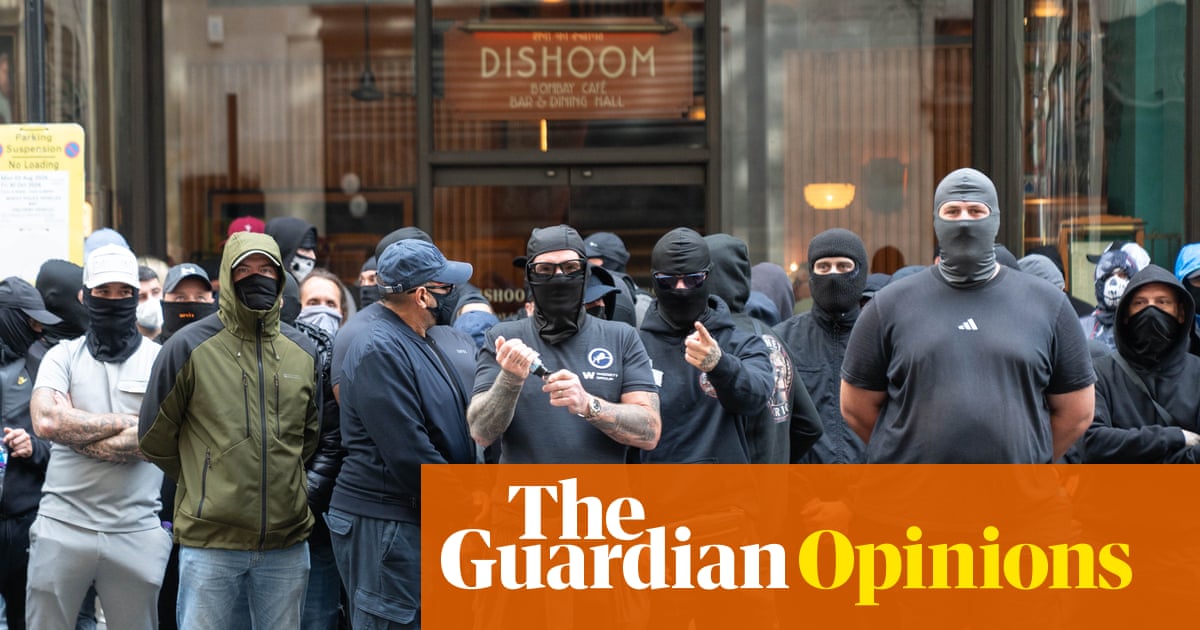
When Mosley’s fascists wanted to rid British society of them, they stood together to defend their right to be different, while finding common cause in a Britain that had given them sanctuary. Ninety years later, the contest to define Britishness is with us again. We see it in the balaclava-clad mobs in Dover and Portsmouth, and scenes of immigrants being burned out of their homes in Belfast.
Much like Mosley’s Blackshirts, these extremists push a narrow ethnonationalism with no space for different faiths or backgrounds. And it is not just the far right that threatens a tolerant, inclusive Britain. The extremism of recent years also comes from extreme Islamist sources and perpetrators of violent hate crimes.
Earlier this year, in my constituency, Jewish volunteer ambulances were torched. A month later, two visibly Jewish men were stabbed. My community, where I was born and raised, came under attack.
I condemned, with clarity, sectarian ideology and violent intimidation for what it is: un-British and antisemitic. As I said in the aftermath, an attack on Britain’s Jews is an attack on Britain itself. The Labour government’s response to new extreme threats must be hard-edged and decisive.
Extract — continue reading at the source.