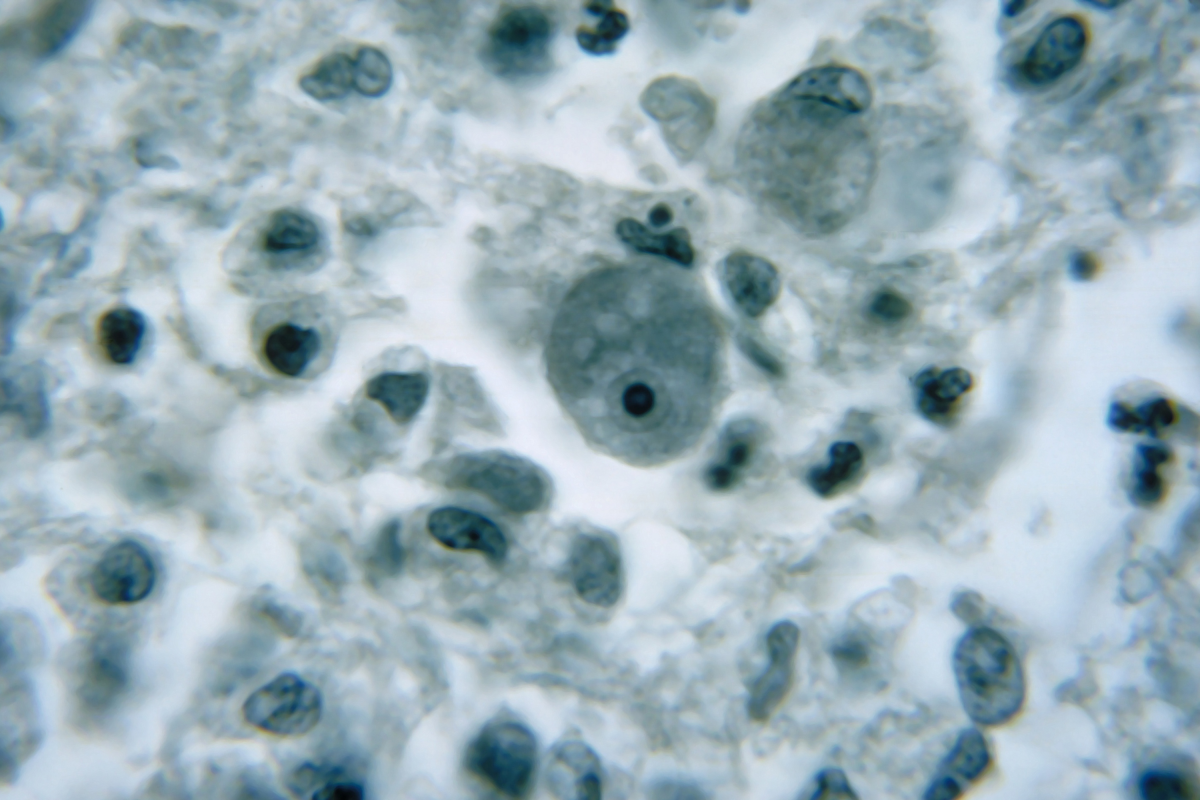
A North Carolina teenager has died after contracting a rare brain infection caused by Naegleria fowleri, commonly known as the "brain-eating amoeba," according to state health officials. The death comes days after the North Carolina Department of Health and Human Services (NCDHHS) announced that the teen was critically ill with the infection. In a statement issued August 27, NCDHHS said the central North Carolina teen had developed a rare illness caused by Naegleria fowleri, a one-celled organism commonly found in warm freshwater.
Officials said the patient was receiving medical care but declined to release additional details to protect the family's privacy. On August 31, the agency confirmed that the teen had died. NCDHHS told Newsweek that it had been informed that the "teen who developed a rare illness, caused by Naegleria fowleri, died on August 31, 2026," adding that it was extending its condolences "to the family, friends and community impacted by this loss," and confirming that "to protect the family’s privacy, no further information will be released." "Our hearts go out to this teen's family, friends and loved ones as they navigate this difficult time," state epidemiologist Dr.
Zack Moore said in the department's release. He added that, although such infections are very rare, the case serves as an important reminder that the amoeba exists in North Carolina and throughout the United States. Naegleria fowleri is a microscopic amoeba, or single-celled living organism, that naturally occurs in warm freshwater environments including lakes, ponds, rivers, and hot springs.
According to NCDHHS, it is not found in saltwater and is not typically found in properly maintained and chlorinated swimming pools either, although the Centers for Disease Control (CDC) said that "in very rare cases," it has been found in "poorly maintained swimming pools, splash pads, and other recreational venues" and also in tap water. While often referred to as a "brain-eating amoeba," the organism doesn’t infect people through swallowing water. Instead, infection occurs when water containing the amoeba enters the nose.
The organism can then travel to the brain, causing a rare but devastating disease known as primary amoebic meningoencephalitis (PAM). The disease causes inflammation and destruction of brain tissue and is almost always fatal once symptoms develop. According to NCDHHS, early symptoms of PAM include: As the infection progresses, patients may experience: Health officials say the disease progresses rapidly once symptoms begin and usually causes death within about five days.
Although infections are rare, many cases occur during the summer months when people spend time swimming or participating in water sports in warm freshwater lakes and rivers. NCDHHS notes that infections are most commonly associated with prolonged hot weather, which creates higher water temperatures and lower water levels, conditions that favor the amoeba's growth. The organism can thrive at temperatures up to 115 degrees Fahrenheit.
Extract — continue reading at the source.