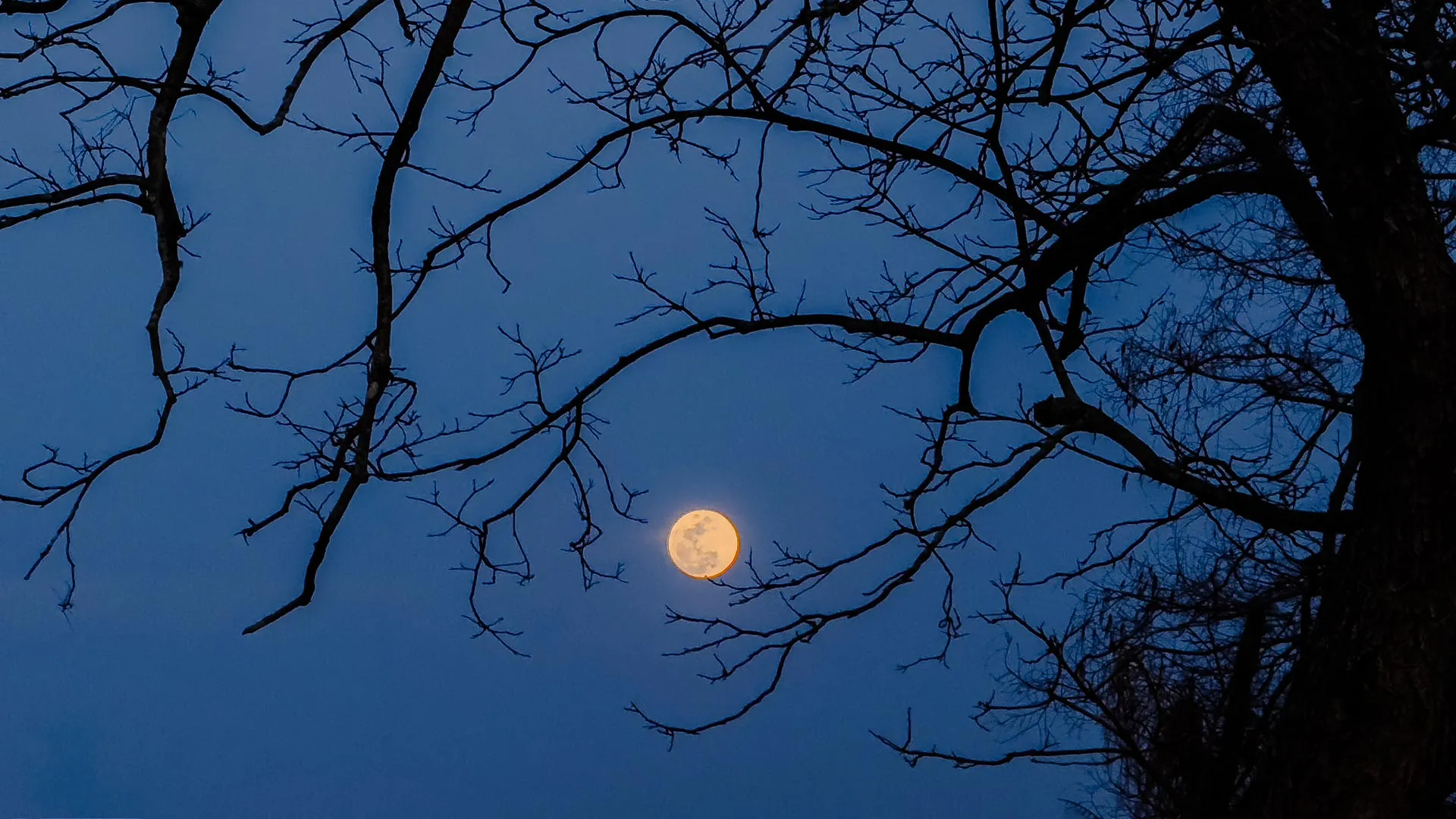
October is bringing a spectacular lineup of celestial events, including a disappearing planet, two meteor showers, and a bright full Moon just in time for Halloween. As autumn days grow shorter and darkness arrives earlier, the night sky offers more opportunities to witness some remarkable astronomical sights. NASA has highlighted four events worth watching this month, ranging from Jupiter briefly vanishing behind the Moon to shooting stars created by debris from Halley's Comet.
With crisp autumn evenings and a little luck, skywatchers can enjoy several of these displays without any special equipment. Jupiter Disappears Behind the Moon on October 6 Before sunrise on Tuesday, October 6, skywatchers in parts of North America had an opportunity to witness an unusual celestial disappearing act. Jupiter, the largest planet in our solar system, slipped behind the Moon's slender crescent and remained hidden for approximately an hour before coming back into view.
Astronomers call this phenomenon a lunar occultation. It happens when the Moon moves directly between Earth and a more distant object, temporarily blocking our view. Despite its mysterious-sounding name, occultation simply refers to one celestial object concealing another.
The event was visible to the naked eye, although binoculars offered a more detailed look. Observers using optical equipment could also potentially watch some of Jupiter's moons disappear behind the lunar edge and emerge again. Viewing opportunities depended on location, with the occultation visible across parts of eastern and central North America.
The timing varied geographically, with the event occurring during the early morning hours, around 4 a.m. Draconid Meteor Shower Peaks October 8 and 9 The next celestial attraction comes on the evening of Thursday, October 8, when the Draconid meteor shower reaches its peak. Favorable viewing beginning around 9 p.m.
EDT, and the display continues into the early hours of Friday, October 9. Unlike many meteor showers that are best observed after midnight, the Draconids offer a convenient opportunity to see shooting stars soon after nightfall. That makes them particularly appealing to casual observers who would rather not stay awake until dawn.
Extract — continue reading at the source.


