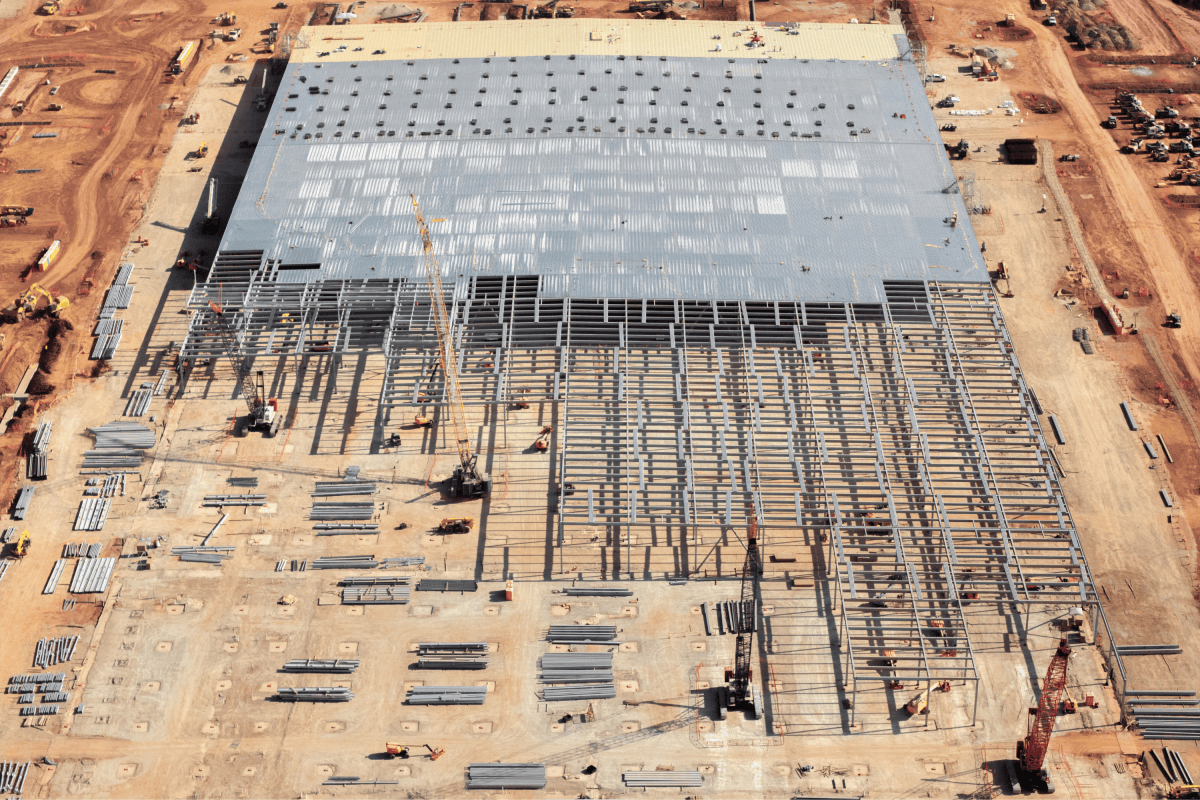
Data centers have emerged as a defining issue in the 2026 midterm elections, with Ohio accounting for more than half of the data center-related measures being considered by voters across the United States. According to Ballotpedia’s nationwide tracker, voters in eight states (Ohio, Illinois, Wisconsin, Kansas, California, Michigan, Nevada, and Florida) will decide on at least 39 local ballot measures related to data centers in 2026. Ohio alone accounts for 21 of those measures across 18 jurisdictions, more than half of the national total.
Illinois has seven measures, while Wisconsin and Kansas each have three. California has two, while Michigan, Nevada and Florida each have one. 35 of the 39 measures are scheduled for the November 3 general election, while voters decided on the other four earlier in the year. In all four, the outcomes favored greater restrictions on data center development, either by approving new limits or rejecting proposals that would have supported development.
In terms of Ohio, voters will consider proposals ranging from outright prohibitions on large data centers to zoning referendums, financial-guarantee requirements, and measures requiring public approval before developments can proceed. Several initiatives would prohibit facilities whose electricity demand exceeds 25 megawatts, the same threshold used in a proposed statewide constitutional amendment certified by the Ohio Ballot Board in April. The 21 Ohio measures identified by Ballotpedia are: The measures don’t all ask voters to reject data centers.
Ashville’s referendum concerns development negotiations, Monroeville’s advisory question asks whether officials should permit development, and the Wilmington questions concern rezoning land for light-industrial use. Nevertheless, the proposed bans, zoning controls, and voter-approval requirements point to significant reservations and concerns about the speed and scale of data center development. The issue is also affecting Ohio’s closely watched special Senate election between Republican Senator Jon Husted and former Democratic Senator Sherrod Brown.
As of October 5, the Kalshi Ohio Senate prediction market gave Brown a 63 percent chance of winning and Husted a 37 percent chance. The market displayed a polling average of 48.4 percent for Brown and 44 percent for Husted. Data centers are particularly important for Husted because he has aligned himself with the Trump administration’s effort to accelerate AI infrastructure development while addressing public concern about electricity prices.
At a White House event in March, Husted praised President Donald Trump’s Ratepayer Protection Pledge, saying it addressed concerns by having data center operators build new power plants and support “affordable, reliable electricity” for ratepayers, “helping them win the affordability battle.” Not only has data center infrastructure become an increasingly important issue in the 2026 midterms, but it also features in Newsweek's AI Policy Scorecard, which evaluates all sitting members of Congress on a scale from 1, "AI Skeptic," to 5, "AI Booster." The scorecard assesses voting records and public positions across five categories: Jon Husted's profile places him on the more pro-AI side of the spectrum, reflecting a position that’s more supportive of AI development, data center expansion, and policies intended to prevent the costs of new power infrastructure from being shifted onto residential ratepayers. Husted is included in the AI Policy scorecard because he’s a sitting senator. However, former Senator Sherrod Brown isn’t a sitting member of Congress and is, therefore, not included in the 2026 scorecard.
Extract — continue reading at the source.