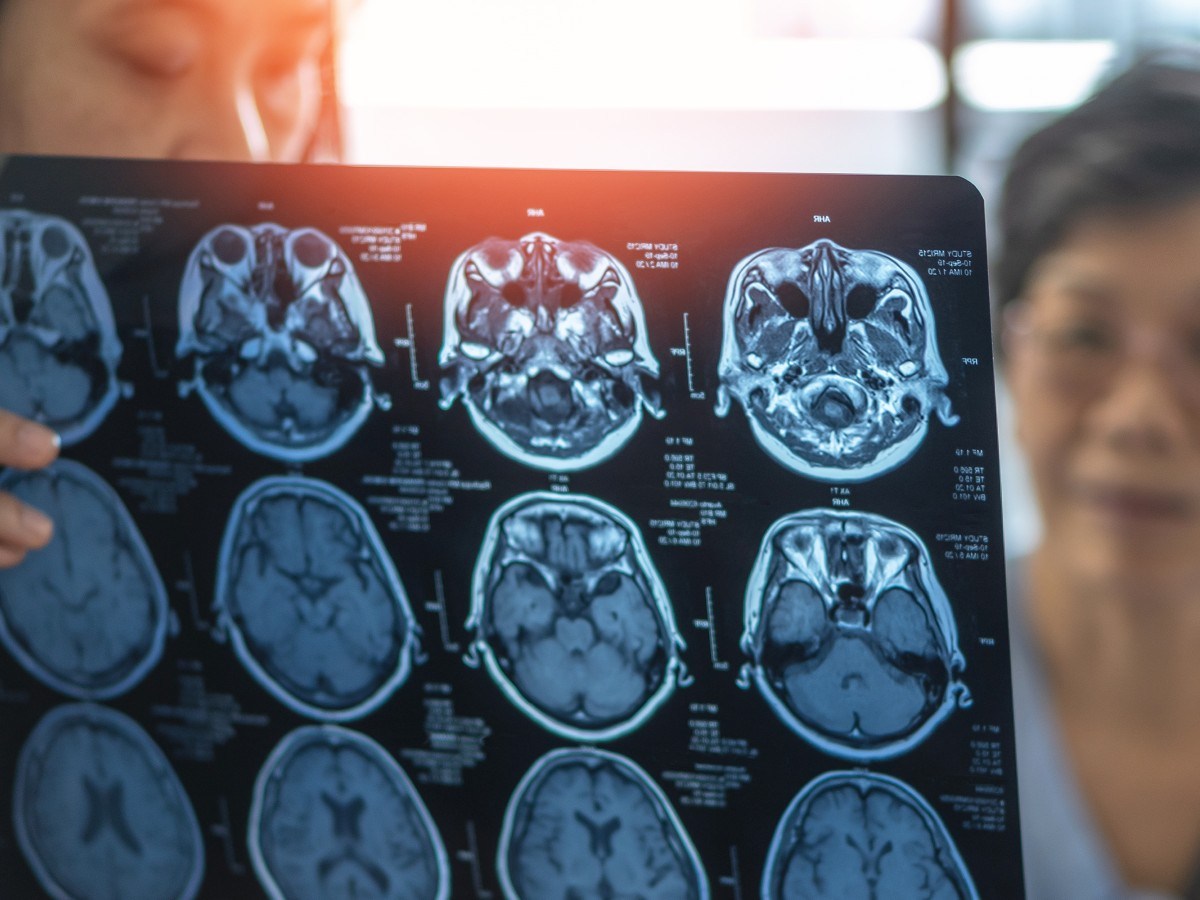
A recent study indicated that older Americans may either have dementia diagnoses without knowing or may not self-report having a diagnosis, and experts have called for more work to be done to improve early detection. Researchers at Yale University found that 67 percent of older Americans underreported having a dementia diagnosis, which was more than double the rate for other conditions within the same sample group, such as arthritis (17 percent underreported having the condition), diabetes (39 percent) and depression (46 percent). Other research has raised similar concerns about dementia screening as well.
Malaz Boustani, a professor of aging at Indiana University, told Newsweek that his team's 2005 primary-care study found "only 19 percent of patients whose dementia was confirmed through formal assessment had dementia documented in their medical record. Approximately 80 percent lacked a recorded diagnosis." Dr. Soeren Mattke, director of the University of Southern California Brain Health Observatory, also told Newsweek he published a study in 2023 with a team of researchers which found only 8 percent of all expected cases of mild cognitive impairment in an older Medicare population were diagnosed.
In light of the findings, experts have now spoken to Newsweek about how to spot dementia in its early stages, why it can go missed in patients and what needs to be done. "Early signs can be subtle and extend beyond simply forgetting things," Dr. Joe Verghese, a professor of neurology at Stony Brook University, told Newsweek.
He said they may include "difficulty remembering recent events, finding words, managing medications or finances, navigating familiar places, solving problems, or completing tasks that were previously routine." "There may also be non-cognitive features such as changes in walking patterns, loss of smell or behavioral changes," he added. A new large study has also indicated that changes in the way a person speaks could be an early warning sign of cognitive decline. The research suggested that voice disorders may be more strongly linked to future dementia risk than hearing loss alone.
Verghese said these early cognitive changes "can be difficult to distinguish from normal aging, and patients or families may normalize or compensate for them," meaning it is possible that early dementia signs are missed. He also said that primary care clinicians "have limited time and many competing priorities," which could lead to signs being missed. For a clinician, he said it's not just about "recognizing cognitive impairment—it is knowing what to do next when a patient screens positive." Given the findings of the study, there also seems to be a potential issue, not just with early signs being missed, but with patient awareness or acceptance of their diagnosis.
This could be because clinicians "may also use terms such as 'memory problems' or 'cognitive impairment' rather than dementia, especially early in the diagnostic process," Verghese said, adding that, from the patient, there may also be a "reluctance to communicate or accept the diagnosis because of stigma, uncertainty, or concern about its implications." "The findings highlight an important distinction between a diagnosis appearing in a medical record and a patient understanding and retaining that diagnosis," he said. This lack of awareness can mean "missed opportunities for patients and families to plan while the patient can still participate meaningfully in decisions," he added, noting that it can also "delay evaluation for potentially reversible contributors, treatment of associated medical problems," as well as other support. "I am a geriatrician, a neuroscientist, and a physician who provides memory care, and I did not recognize dementia in my own father," Boustani told Newsweek.
Extract — continue reading at the source.