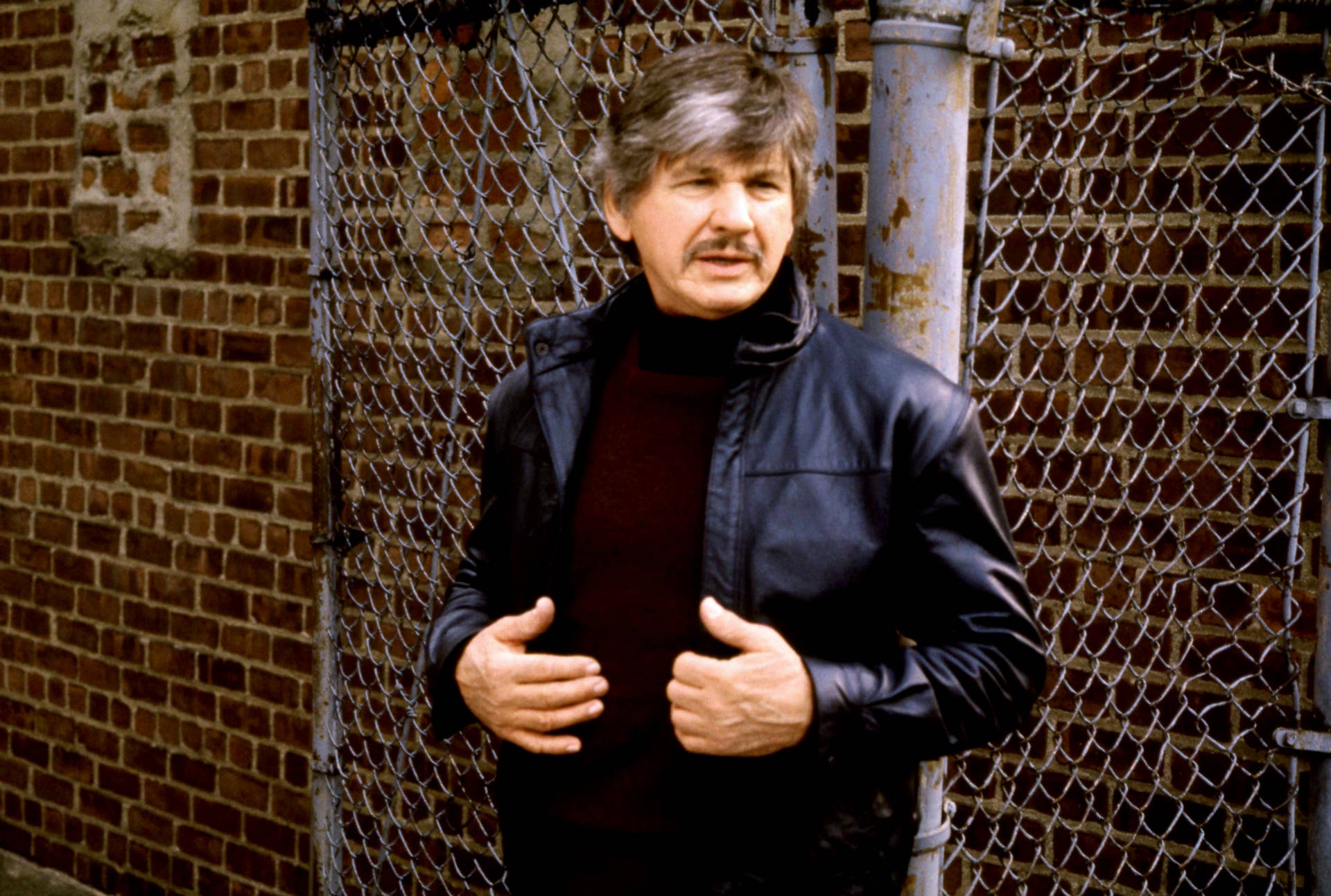
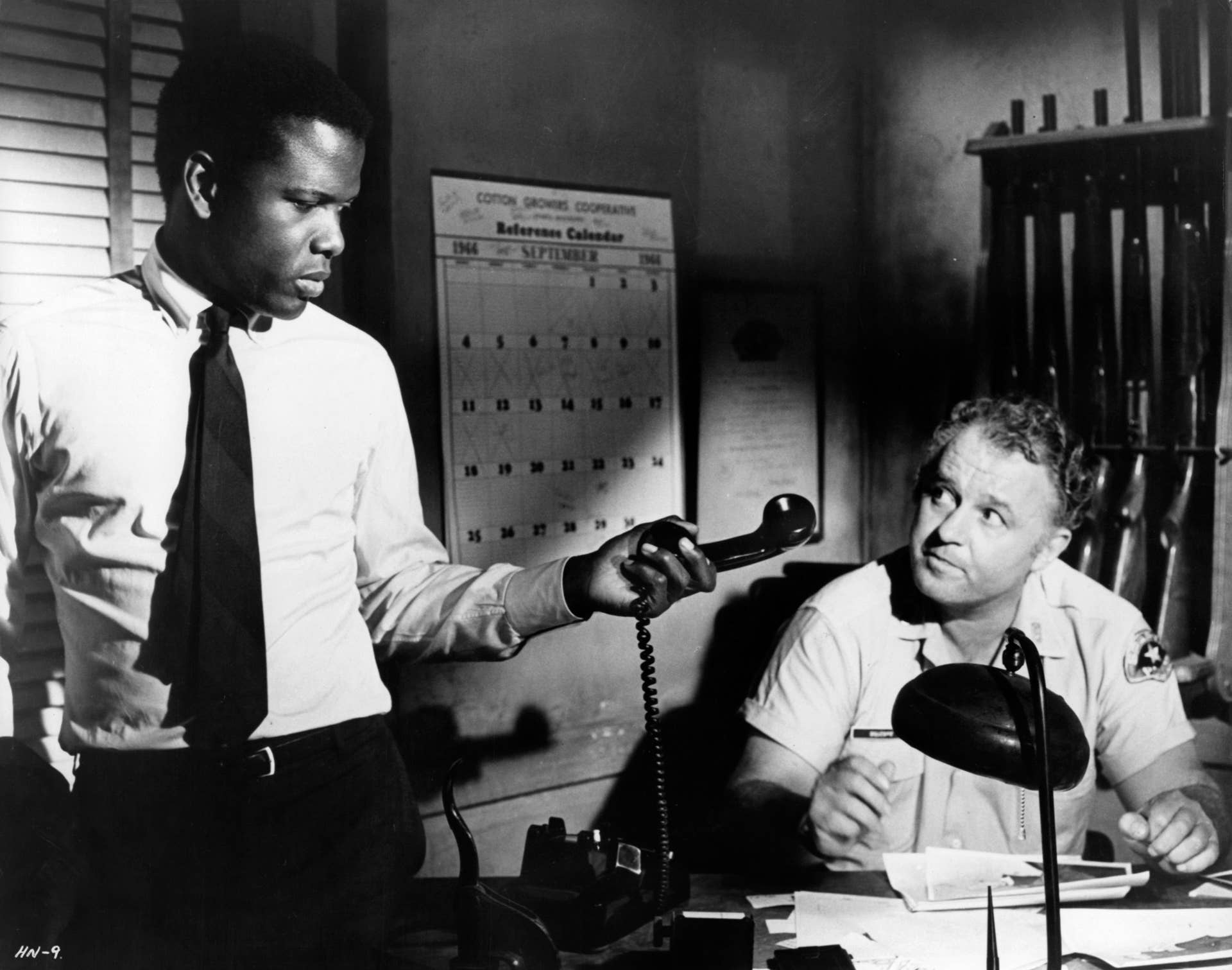
The actor-turned-director is hardly a new Hollywood phenomenon, but women who wear both hats have rarely received the same invites to the Oscars. Men have earned 20 Oscar acting nominations for films they directed, with eight also landing directing and acting nods for the same film. No woman has achieved either feat, but Olivia Wilde could be the first.
With “The Invite,” Wilde’s third feature as a director, she has made the strongest case yet for her work behind the camera and has given herself an acting role that could put her in the Oscar history books. In a year overflowing with big-budget contenders, including Christopher Nolan’s mythological epic “The Odyssey,” Los Javis’ Spanish-language drama “La Bola Negra” and Denis Villeneuve’s upcoming “Dune: Part Three,” Wilde’s film has remained a buzzy crowd-pleaser. General audiences have turned out, and industry voters continue to pack awards screenings even with the film available to watch at home.
Adapted by Rashida Jones and Will McCormack from Cesc Gay’s 2020 Spanish film “The People Upstairs,” the film follows Joe (Seth Rogen) and Angela (Wilde) as they invite their upstairs neighbors, Hawk (Edward Norton) and Pina (Penélope Cruz), over for dinner. What begins as a friendly evening turns into something neither couple is prepared for. It’s worth noting, Wilde also enters a directing race with few women seeming to be in major contention.
On Variety’s most recently published best director prediction charts (on Oct. 8), she appears alongside only two other female filmmakers in the top 30: Siân Heder for “Being Heumann” and Beth de Araújo for “Josephine.” Male stars have long turned their on-camera success into opportunities behind the lens. Laurence Olivier built films around his Shakespeare performances, while Orson Welles was just 25 when he directed and starred in the classic “Citizen Kane.” That path from leading man to auteur is a familiar one in Hollywood, with notables like Warren Beatty, Clint Eastwood and Kevin Costner establishing themselves as major directors without stepping away from leading in their own films. Leslie Howard was the first to earn an acting nom for a film he directed, sharing the director’s chair and credit with Anthony Asquith on “Pygmalion” (1938).
Names like Charles Chaplin, Welles, Woody Allen and other would follow. In all, men have directed themselves to 20 acting nominations, resulting in two wins: Women have had far fewer opportunities to reach that point in their careers, starting with the directing category itself. Only nine women have been nominated for best director in 98 years, and three have won: None of these women starred in the films they directed, and in the Oscars’ 98-year history, there have been so few close calls.
Perhaps the most notable belongs to Barbra Streisand (twice). She directed and starred in “Yentl” (1983), which won the Oscar for its score and earned Amy Irving a supporting actress bid. Streisand, however, received no nominations for her work, despite becoming the first woman to win the Golden Globe for directing.
Extract — continue reading at the source.