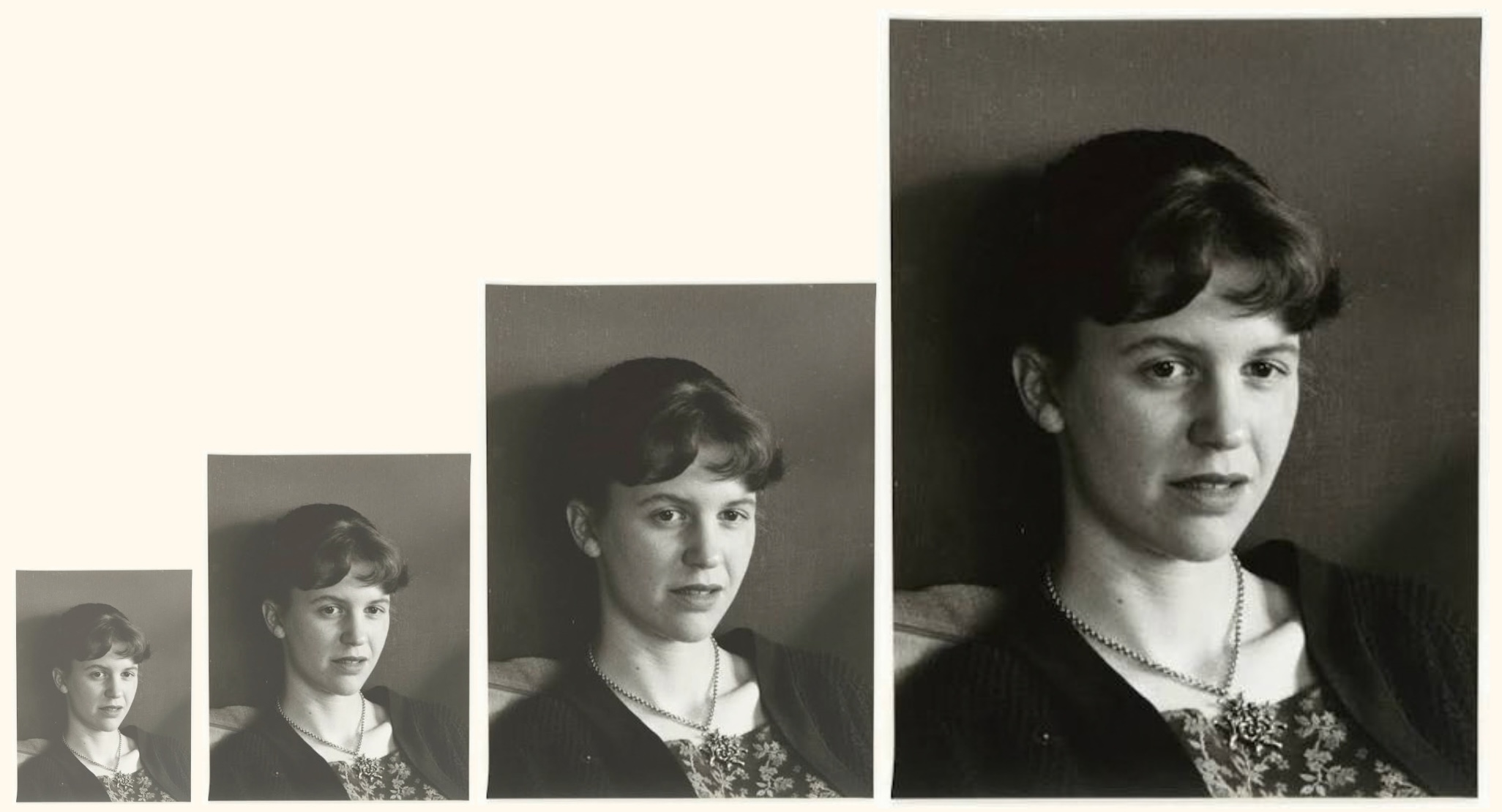
In 1971, eight years after Sylvia Plath died, a dispute over the backstory of her death broke out between her husband Ted Hughes and the poet and critic Al Alvarez. Alvarez, a friend of Plath, published a book which, in part, claimed that Plath “did not intend to die” with her suicide—that it was rather “a cry for help that fatally misfired.” In response, Hughes published a letter in The Times Literary Supplement in which he asked for the section about Plath from Alvarez’s book to be removed. Weidenfeld and Nicholson, the book’s publishers, refused.
Whether or not Plath intended to die with her final suicide attempt is still an unresolved question among scholars. What might a study of her poetry and prose add to this debate? Recently available work—some of which remains unpublished, some of which has only recently come to light, via new archives at Yale’s Beinecke Library—sheds light on Plath’s complicated stance on death, one that she maintained from her early teenage years until she died.
Over and over, in her juvenilia, in her short fiction, in her poetry, and in her novel, Plath frames death as an opportunity for rebirth. Beyond the archives, it has been a big year for Plath. In September, Variety reported that Billie Eilish will make her acting debut as Esther in The Bell Jar; in June; three unseen drawings by Plath went on sale at the New York International Antiquarian Book Fair for $250,000; and a new collection of Plath’s poetry that is nearly double the length of the original was published by Faber in May.
Plath had to confront death at an early age, and her work shows her desperately searching for meaning in it. Her father had been dead for five years when, at 13, Plath wrote a poem about the death of another adult in her life, her beloved teacher, Miss Cox. Her mother Aurelia typed up the poem, noting that Sylvia “slipped [it] under my napkin on the dinner table”; Aurelia’s note, along with a draft of the poem, is one archive of many stored in the Plath family papers at Beinecke.
Later, the poem appeared in Plath’s school newspaper, as an elegy for the teacher. Even though the poem remains unpublished, I was able to read “To Miss Cox” on a trip to Yale. The elegiac poem finds meaning in the teacher’s death by analogizing it with the cycles of nature: each of its four stanzas corresponds with a season, starting with the spring and ending in the winter.
The first two lines in each stanza are about the promise of the season, before giving way to its end, showing the necessity of what came before in order for the next season to begin. Like “the joy of childhood,” spring “too quickly passes by,” while “painted memories of fall” are “gathered by the harvester / When the purple day is done.” Each season is short-lived but essential for the cycle to continue. What all of the seasons have in common is their impermanence, the beauty of each contingent on its ephemerality.
Extract — continue reading at the source.