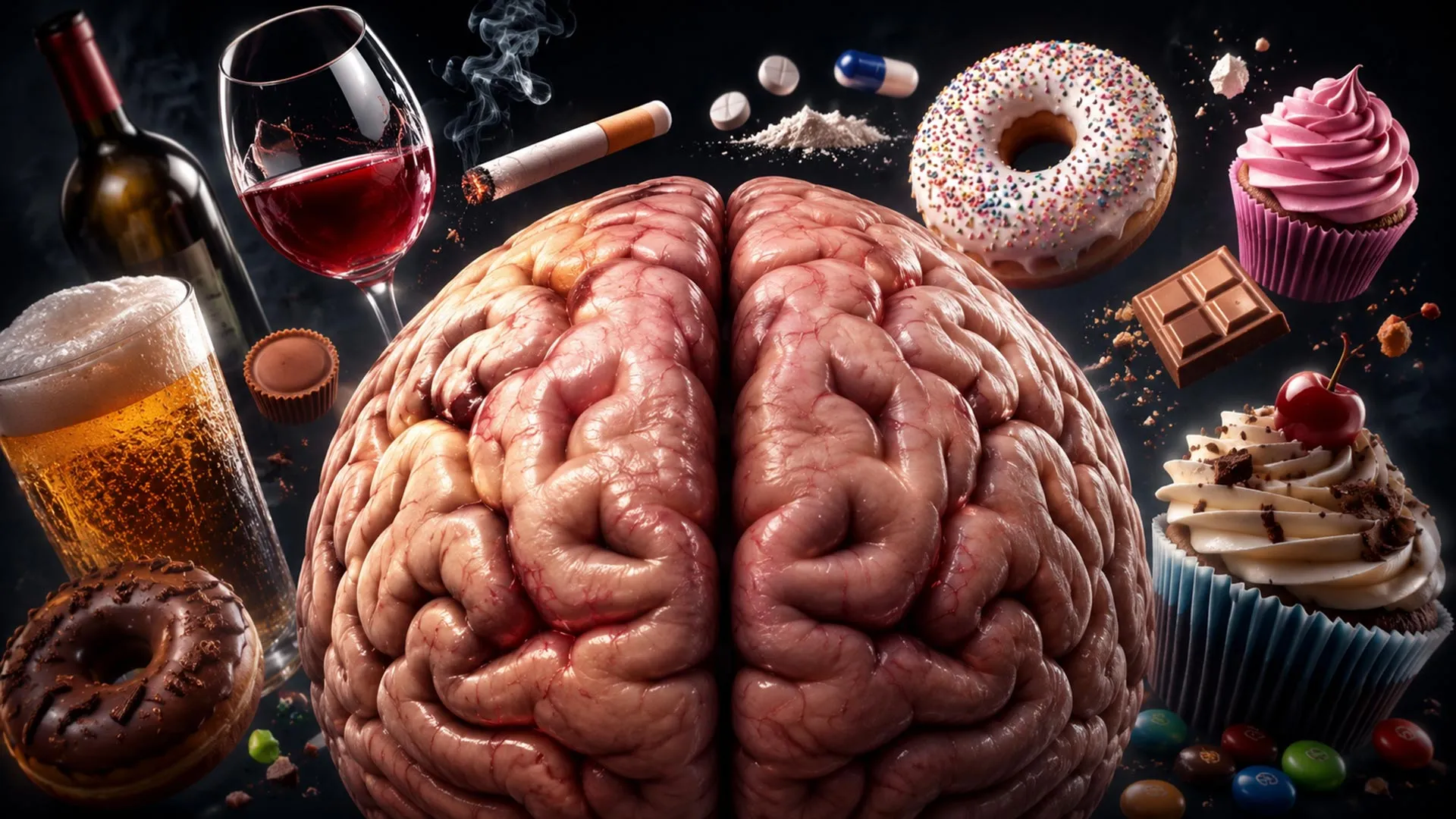
For many people, the thought of a tasty burger or a cold pint of beer conjures up a vivid mental image and drives behavior. This link between thinking and doing serves a clear function – it motivates us to get the necessities for life. But for some, this process can malfunction.
Preoccupation with these rewarding stimuli can lead to disorders of substance overuse, including overeating to the point of obesity and alcohol abuse. Studies going back to the 1970s have linked vivid mental imagery with drug abuse. Understanding this link between craving and consuming is central to understanding addiction.
This has eluded neuroscience for decades, but the introduction of a new class of drugs for weight loss may have given us just the lever we need to understand it. These new drugs – including Ozempic and Wegovy – mimic the GLP-1 hormone to stimulate insulin release, slow digestion, and increase feelings of fullness. They are known as GLP-1 agonists and were originally used to treat type 2 diabetes because they help control blood sugar.
As a side effect, people using these drugs also lost a lot of weight, in some cases almost as much as might be expected from bariatric surgery. But there is another less well publicised effect. Human studies show that GLP-1 agonists reduce alcohol consumption.
Preclinical animal studies suggest these drugs also reduce the use of cocaine, amphetamines, opiates and nicotine. These drugs are changing how we think about the brain’s reward system. They may also open new treatment options for obesity, alcohol dependence and the consumption of other addictive substances.
We have a reasonable understanding of the brain’s “reward circuitry” associated with regions that produce the neurotransmitter dopamine. These brain parts – the ventral tegmental area (VTA) and nucleus accumbens (NAc) – have been the subject of research on reward for decades. They are the obvious candidate regions to look for a mechanism for GLP-1 action in the brain.
Extract — continue reading at the source.